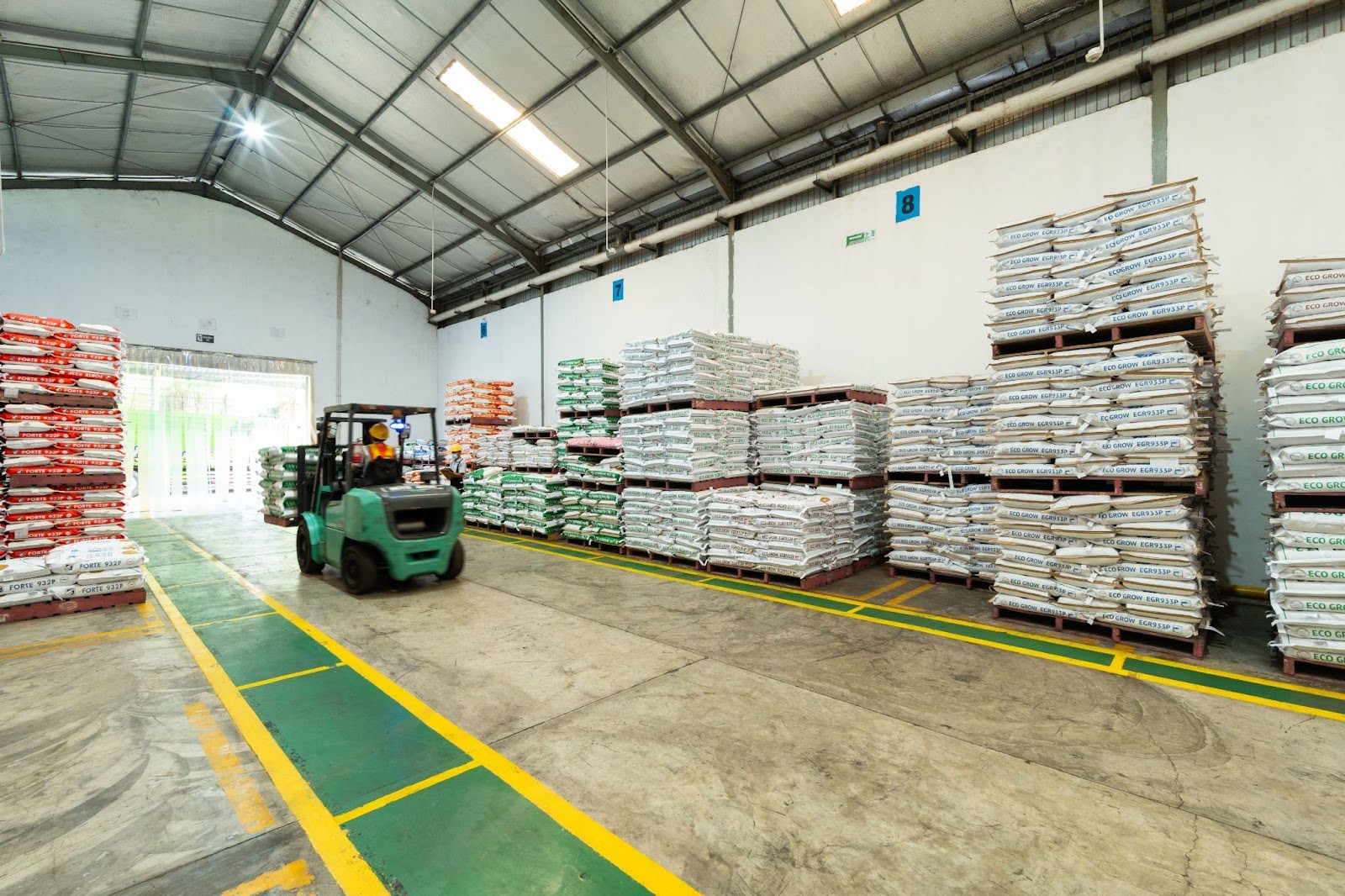
Gold Coin Indonesia, part of the Pilmico and Gold Coin Group, received a Best Aquaculture Practices (BAP) Certification in recognition of its aqua feed production practices.
Gold Coin, a leading provider of high-quality aqua feeds, proudly announced that its Lampung Feedmill in Indonesia has been awarded the Best Aquaculture Practices (BAP) Certification for the seventh consecutive year.
This certification reaffirms the company’s unwavering commitment to maintaining high standards in aqua feed production and sustainability.
The BAP Certification is a testimony to Gold Coin’s dedication to upholding the highest standards in the field of aquaculture. As a specialized certification program, BAP encompasses relevant areas such as food safety, animal health and welfare, environmental stewardship, and social responsibility.
By adhering to these stringent criteria, Gold Coin ensures that its aqua feeds are produced responsibly and sustainably at every step of the food value chain.
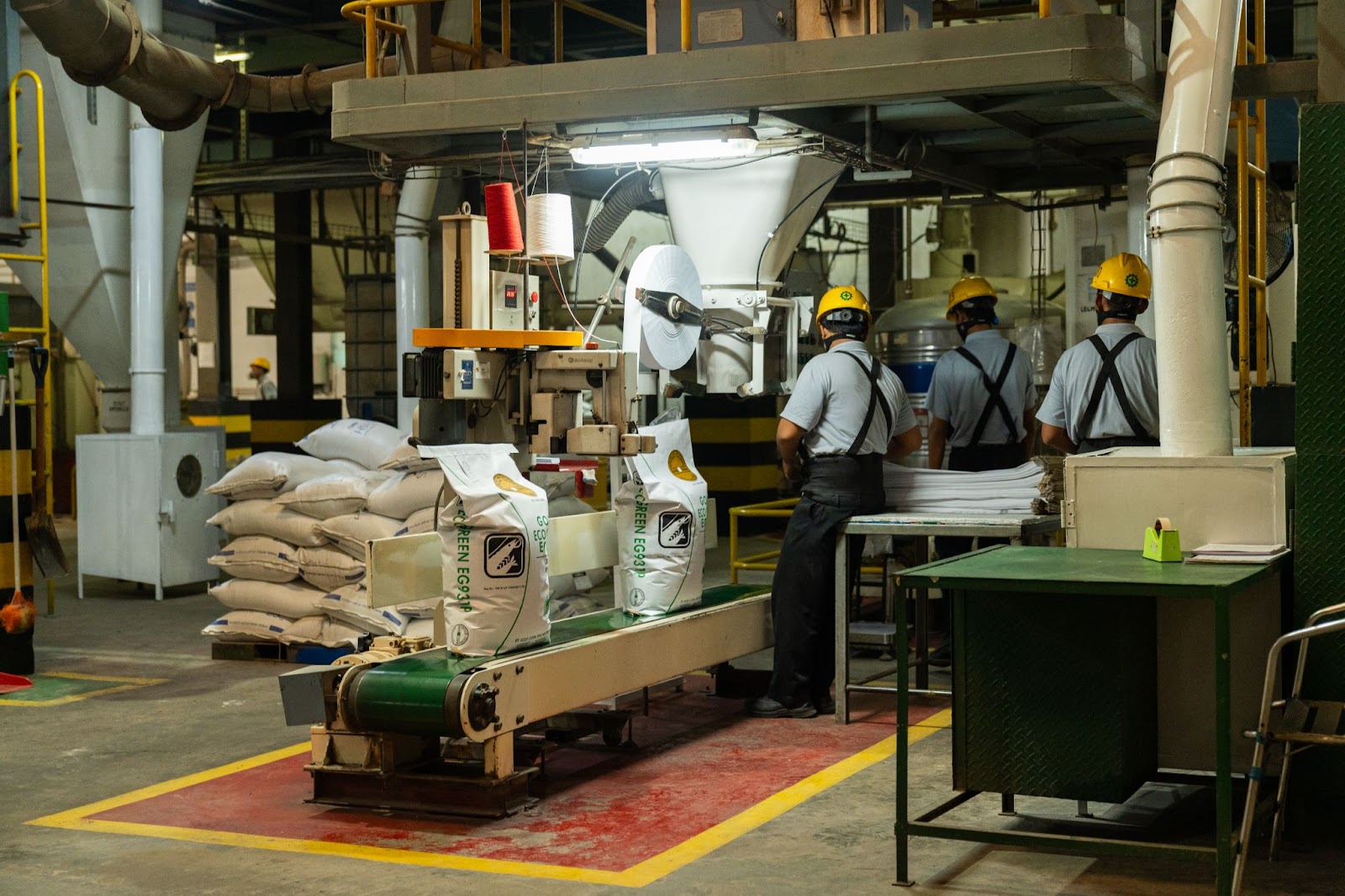
“At Gold Coin, we prioritize producing safe, high-quality, and nutritious feeds. Above all, we ensure that we adhere to sustainable and ethical practices — from sourcing raw materials to keeping our team members’ welfare,” aid Lee Siow Wee, Gold Coin Indonesia First Vice President and Country Director.
“We believe that by constantly improving our product formulation and quality, we are confident that we can create safe and healthy feeds that meet the needs of the aquaculture industry,” he added.
Furthermore, this certification reflects Gold Coin’s adherence to international quality standards, ensuring that its aqua feeds meet the stringent requirements for export.
Gold Coin’s commitment to sustainability and quality reinforces its position as a trusted supplier of premium aqua feeds in the Asia Pacific region.
Frequently Asked Questions
Why is sustainability certification at the feedmill level significant for the broader aquaculture supply chain?
Feed quality and production practices at the mill level directly affect the performance, health, and food safety profile of farmed fish and shrimp downstream. By certifying the feedmill itself – not just the farming operations – Gold Coin ensures that responsible standards are embedded at the input stage, setting a foundation for sustainable outcomes throughout the entire aquaculture value chain.
How many consecutive years has Gold Coin’s Lampung Feedmill in Indonesia held the BAP Certification, and what does this track record indicate?
The Lampung Feedmill has held the Best Aquaculture Practices (BAP) Certification for seven consecutive years, having first received it in 2017. This unbroken streak demonstrates that the facility has consistently met or exceeded the certification’s requirements year after year, reflecting a deeply embedded operational commitment to quality and sustainability.
What specific areas does the BAP Certification evaluate, and why are these relevant to aqua feed production?
The BAP Certification covers food safety, animal health and welfare, environmental stewardship, and social responsibility. These four pillars are directly relevant because aqua feed production impacts the health of farmed aquatic species, the safety of seafood that reaches consumers, and the environmental footprint of aquaculture operations at every stage of the food value chain.
What does Gold Coin Indonesia’s Country Director say about the company’s approach to feed quality and sustainability?
Lee Siow Wee, First Vice President and Country Director of Gold Coin Indonesia, stated that the company prioritizes safe, high-quality, and nutritious feeds while adhering to sustainable and ethical practices from sourcing raw materials to caring for team members’ welfare. He also emphasized ongoing investment in product formulation improvement as a driver of long-term quality.
How does the BAP Certification affect Gold Coin’s ability to compete in export markets?
The certification signals adherence to international quality standards, making Gold Coin’s Lampung aqua feeds eligible for export markets that require certified sustainable sourcing. This strengthens the company’s competitive position as a trusted supplier of premium aqua feeds in the Asia Pacific region, where buyers increasingly require third-party sustainability verification.