Adopting or Buying a Pet: Making a Responsible Choice for the Long Term
Bringing a pet into your life is a meaningful decision. While it often begins with excitement, it also marks the start of a long-term commitment—one rooted in care, responsibility, and respect for life. Before welcoming a dog or cat into your home, many prospective pet owners face an important question: should you adopt or buy?
At Aboitiz Foods, we believe pets are family. They are not temporary companions or impulse purchases, but living beings who depend on consistent care, proper nutrition, training, and veterinary support throughout their lives—often for 15 years or more. Choosing to become a pet owner means being prepared for that responsibility from the very beginning.
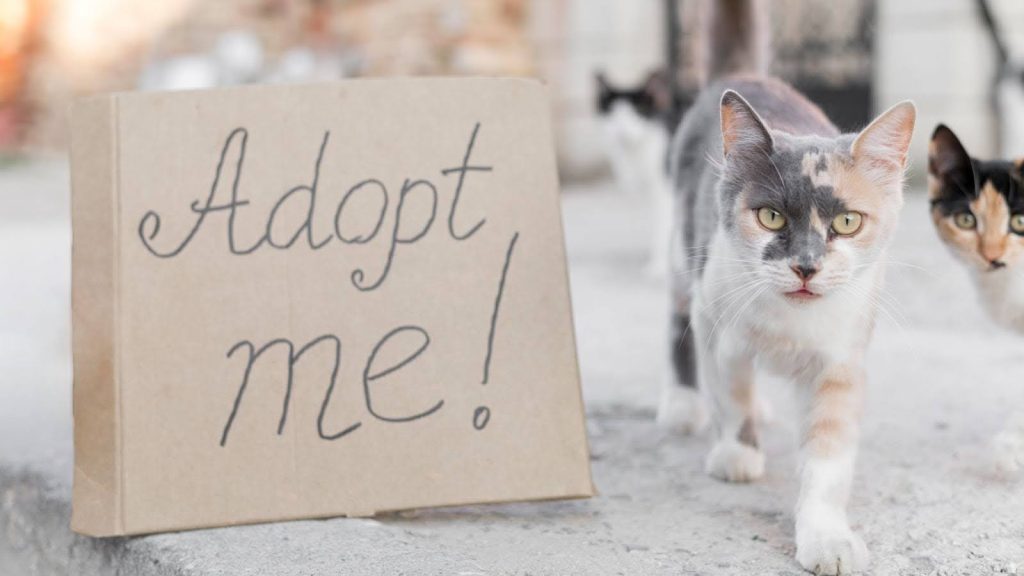
Adoption: Giving Homeless Dogs and Cats a Second Chance
Adopting from a shelter or rescue organization gives animals the chance to start over and, hopefully, find their forever family. Many of these pets come from circumstances beyond their control and are simply waiting for a stable, loving home.
Shelters care for animals of different ages, sizes, breeds, and temperaments, helping potential pet owners to find a companion that fits their lifestyle. Some may prefer the calm nature of an older pet, while others are ready for the energy of a younger one. Many rescued animals are already vaccinated, spayed or neutered, and assessed for temperament, helping ensure a smoother transition into their new homes.
Beyond the practical benefits, adopting an animal creates real impact. Each adoption helps reduce overcrowding in shelters and enables rescue groups to continue caring for other animals in need. It’s a choice that directly contributes to animal welfare and responsible pet ownership.
Buying: Choosing Responsibly and Ethically
Some pet owners prefer to buy, often due to specific breed characteristics, lineage, or age preferences. When taking this path, ethical sourcing is critical.
Responsible breeders place animal welfare first. They prioritize health and proper care over volume, maintain humane living conditions, and are transparent about breeding practices. Ethical breeders welcome questions, allow visits, and provide clear health and genetic information. They also ensure pets are properly weaned, socialized, and ready for rehoming.
As prospective responsible pet parents, one must do their own research and assessment—it’s crucial to avoid unregulated sellers, online classifieds, or pet stores with unclear sourcing. These channels often contribute to unethical breeding practices that compromise animal welfare.
Readiness Matters Most
Regardless of whether you adopt or buy, the most important factor is readiness. Responsible pet ownership is a long-term commitment that demands careful planning— taking into account your time, financial resources, living situation, and the pet’s future care needs.
Every pet deserves a safe, stable, and nurturing environment. When that foundation is in place, the decision—adoption or purchase—becomes less about where a pet comes from and more about the quality of life you are prepared to provide.
Choosing thoughtfully ensures a better future for pets, families, and the communities that support responsible animal care.
FAQs:
- Am I ready to become a pet parent?
You are ready to bring home a furry bestie if your decision is based on:
- Thoughtful Planning: You have researched the specific needs of the animal (whether adopting or buying) rather than making an impulse choice.
- Respect for Life: You view the pet as a family member who deserves a “forever home” and a high quality of life.
- Readiness: Readiness is the foundation of responsible pet ownership. When you have the time, space, and financial stability to care for a pet for the next 15 years, you are ready to make the choice to adopt or buy.
- I’m ready to be a pet parent! Once I’ve decided on my new furry bestie, how do I navigate the nutritional needs of my new dog or cat?
Being a responsible owner means choosing food that supports a pet’s health for 15+ years. At Aboitiz Foods, we make this transition easier by providing nutritional options tailored to your pet’s specific life stage and needs through our pet food brand, Maxime:
Maxime Elite: This is our premium range designed for owners who want to give their pets specialized care. It features high-quality proteins like Lamb or Salmon and is enriched with prebiotics (M.O.S. and Beta-glucans) and antioxidants. It’s the ideal choice for superior digestion, immune system support, and achieving that shiny coat.
Maxime (Standard): Our standard line provides complete and balanced nutrition for everyday vitality. Formulated with delicious flavors like Beef or Chicken for dogs, or Salmon or Tuna for cats, it ensures your pet gets high-quality proteins and essential vitamins for energy and agility. It’s a reliable, nutritious choice for maintaining overall health and happiness day-to-day.
Consulting with a veterinarian and choosing the Maxime formula that fits your pet’s life stage will ensure they live a healthier, fuller life in their new forever home.
- What factors should I consider before getting a pet?
Before choosing between adoption and buying, assess if you can provide the following:
Time: For socialization, exercise, and daily care.
Financial Capacity: For quality nutrition, medical emergencies, and routine check-ups.
Living Space: Ensuring your home environment is safe and suitable for the specific animal.
Long-Term Commitment: The willingness to stick by the animal as your own life circumstances change.
- What are the benefits of adopting from a shelter?
Adoption gives homeless animals a second chance. Many shelter pets are already vaccinated, spayed or neutered, and have had their temperaments assessed. Additionally, shelters offer a wide variety of ages and breeds, making it easier to find a pet that matches your lifestyle.
- What should I look for in a responsible or ethical breeder?
An ethical breeder prioritizes animal welfare over profit. They should maintain humane living conditions, be transparent about their breeding practices, allow visits, and provide clear health and genetic information. They must also ensure that the pet is properly socialized and weaned before rehoming.
- What sources should I avoid when buying a pet?
Prospective owners should avoid unregulated sellers, online classifieds, and pet stores with unclear sourcing. These channels often facilitate unethical breeding practices that compromise the health and welfare of animals.