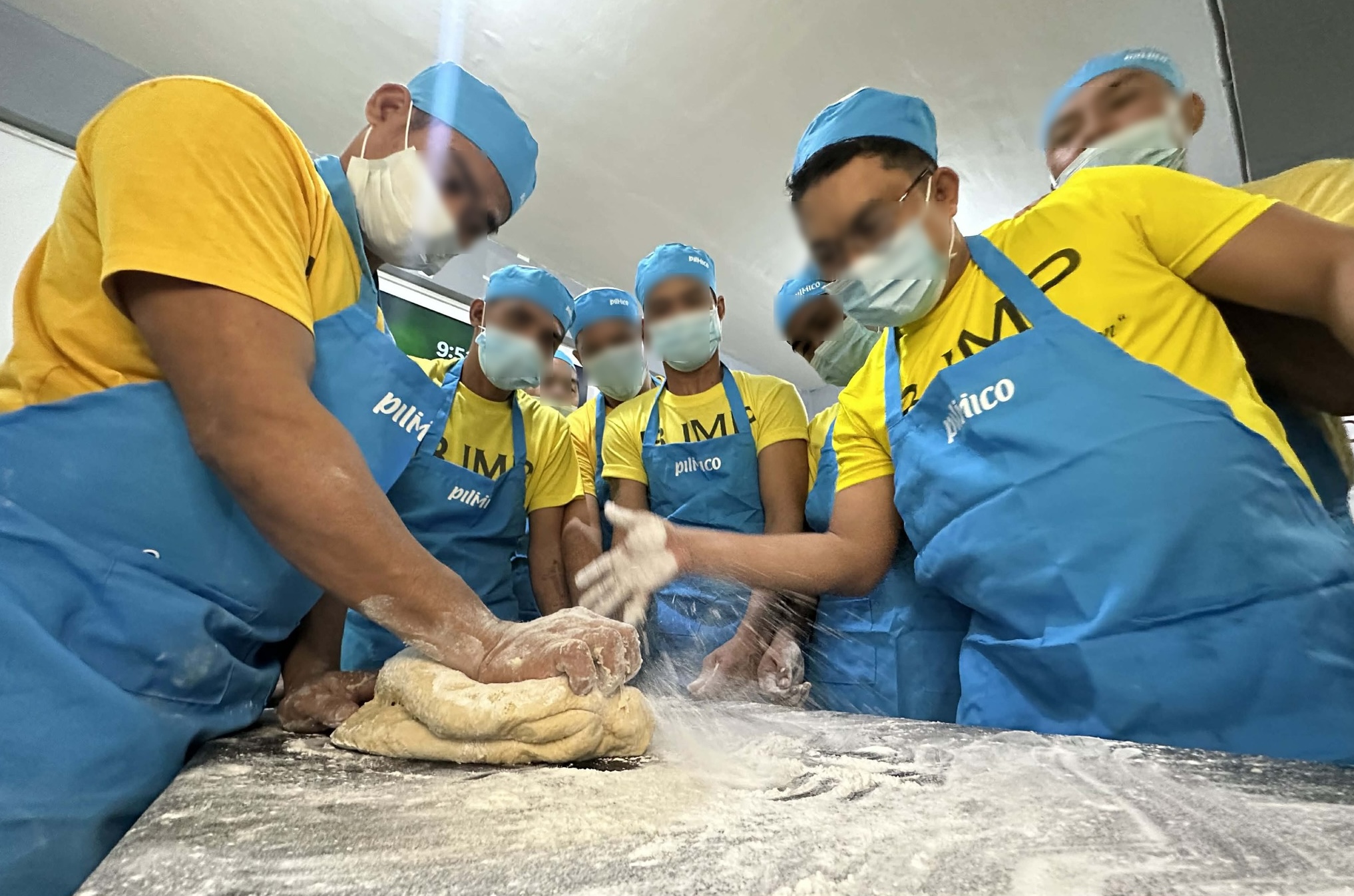
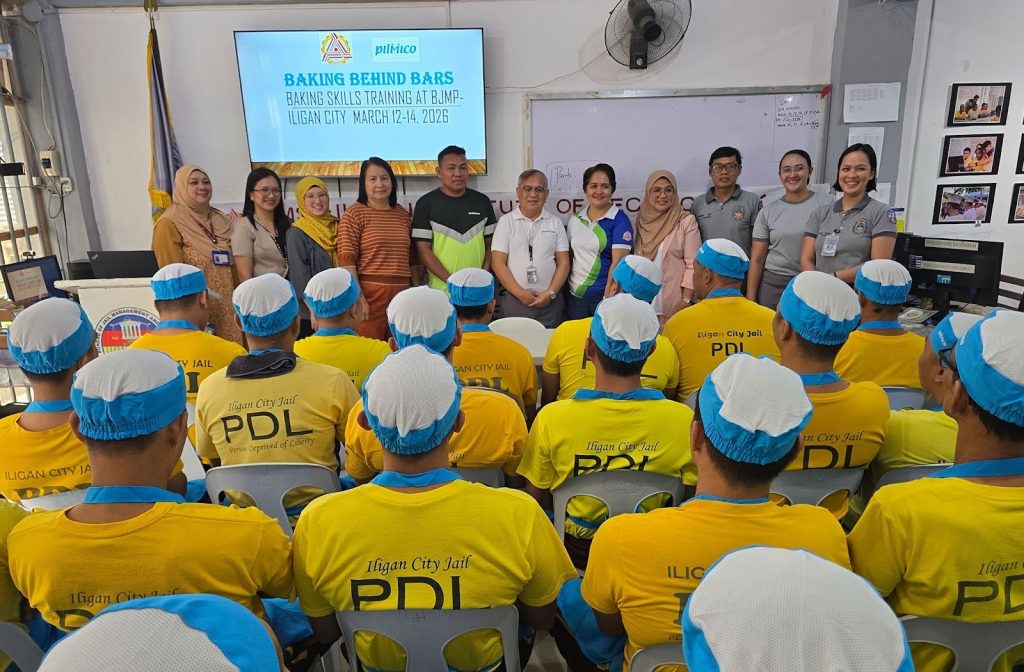
Future Bakers at Work. Participants of the “Baking Behind Bars” program master the art of dough handling using Pilmico’s premium flour. Through this partnership with MSU-IIT and BJMP Iligan, Pilmico provides PDLs with industry-standard skills for a sustainable tomorrow. / Photo Courtesy: BJMP-Iligan City Jail-Male Dormitory Facebook page
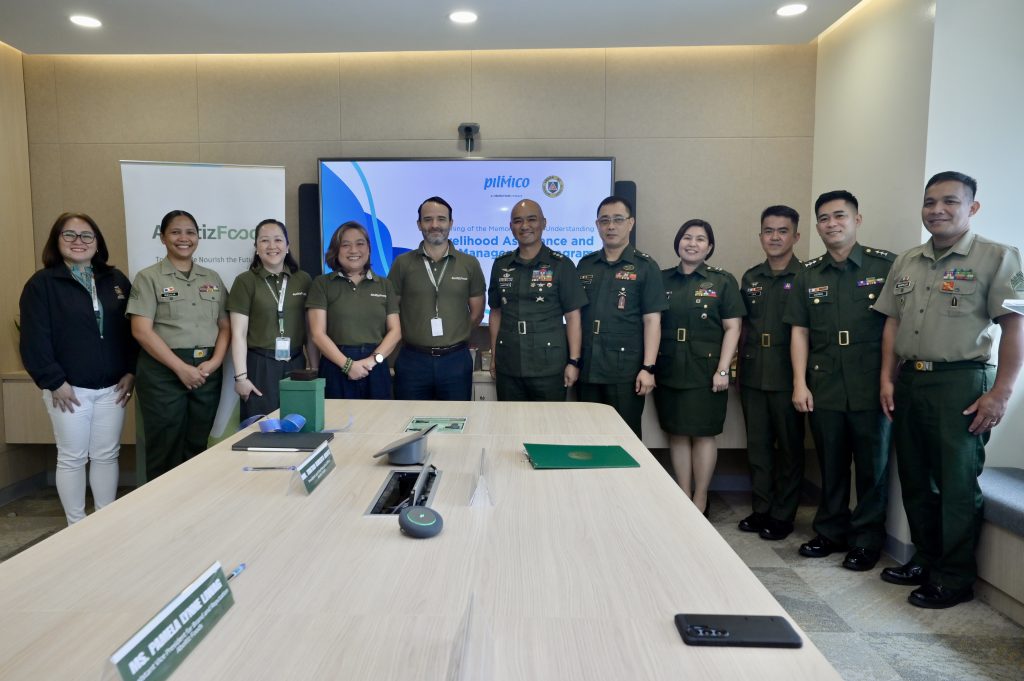
Bringing the core value of responsibility to life, Aboitiz Foods’ subsidiary Pilmico Foods Corporation (Pilmico) partnered with the Mindanao State University-Iligan Institute of Technology (MSU-IIT) and the Bureau of Jail Management and Penology (BJMP) Iligan for the Baking Behind Bars program in Iligan City.
An initiative of MSU-IIT’s WE CARE Office, the program aims to equip PDLs with sustainable livelihood skills, ensuring they have the tools to become productive members of society upon their reintegration. Thirty-seven PDLs—including 24 men and 13 women—participated in the intensive technical and hands-on training in bread and pastry production from March 12 to 14, 2026, at the BJMP Iligan baking facility.
The three-day workshop introduced participants to the fundamentals of bread making, including flour characteristics, ingredient functionality, and costing—essential knowledge for starting a bakery business.
Guiding the participants throughout the training, Quality Assurance Supervisor for Flour Operations Rodulfo Orong shared the deeper mission behind the sessions.
“The Baking Behind Bars program is aligned with Aboitiz Foods’ commitment to creating shared value with the communities where it operates, including the marginalized communities. Enabling PDLs to access skills training will help them build a sustainable source of livelihood,” said Orong, adding, “It was a great and meaningful experience. More than the technical lessons and skills, we hope this initiative will open more opportunities for PDLs to have a fresh start with renewed hope.”
Through the baking equipment and facility provided by the Department of Science and Technology, participants applied their learning to create products such as cheesy malunggay pandesal, cheesy onion pandesal, and oatmeal cookies, which recipes can be shared to their families.
The Baking Behind Bars program provided PDLs with tools that may help them pursue livelihood opportunities and reintegrate successfully into society. As the ovens cooled and the last loaves were shared, the bread was proof that even behind bars, hope can rise.
“I used to think my hands were only for mistakes. Now, I see they can create something my children might taste one day,” said Mark, one of the participants.
Through initiatives like this, Aboitiz Foods, through Pilmico, continues to demonstrate that creating shared value means empowering individuals, strengthening communities, and forging partnerships to nourish a better future. Read the full article here.
Pertanyaan yang Sering Diajukan
1: What is this article about?
This article covers the “Baking Behind Bars” program — a livelihood and skills-training initiative conducted in Iligan City for Persons Deprived of Liberty (PDLs). Through a three-day hands-on workshop in bread and pastry production, 37 PDL participants received training in baking fundamentals, ingredient knowledge, and business costing, equipping them with practical skills to support their reintegration into society.
2: Who participated in the Baking Behind Bars training and what did they learn?
Thirty-seven PDLs — 24 men and 13 women — participated in the intensive three-day training held from March 12 to 14, 2026, at the BJMP Iligan baking facility. The workshop covered bread-making fundamentals including flour characteristics, ingredient functionality, and basic business costing — knowledge directly applicable to starting or joining a small bakery enterprise. Participants also produced actual baked goods such as cheesy malunggay pandesal, cheesy onion pandesal, and oatmeal cookies.
3: Who were the key partners behind the Baking Behind Bars program?
The program was a collaborative effort among three organizations: Pilmico Foods Corporation, which provided flour, baking expertise, and technical training; Mindanao State University-Iligan Institute of Technology (MSU-IIT) through its WE CARE Office, which initiated the program; and the Bureau of Jail Management and Penology (BJMP) Iligan, which hosted the training. The Department of Science and Technology also contributed baking equipment and the facility used during the workshop.
4: How does baking skills training support PDL reintegration into society?
Practical livelihood skills give PDLs a concrete pathway to economic independence upon release. Understanding bread production, ingredient costing, and baking processes reduces barriers to entrepreneurship and employment in the food sector. Mastering a marketable skill also restores a sense of dignity, agency, and purpose — building the personal foundation for a fresh start. The knowledge gained can also benefit families when participants share recipes and techniques at home.
5: How does this initiative reflect a commitment to creating shared value in communities?
Investing in the skill development of marginalized individuals demonstrates that corporate responsibility extends to the most underserved members of society. Partnering with academic institutions and government agencies multiplies the impact by combining resources, expertise, and access. Creating opportunities for productivity and livelihood within detention facilities addresses rehabilitation at its root — ensuring that communities benefit when individuals are equipped to contribute meaningfully upon their return.