From the quiet observation of a veterinary student to the high-stakes frontlines of animal health, Dr. Emiechelle “Emie” Rivera has spent nearly a decade mastering the art and science of protective precision in animal biosecurity. As a field veterinarian, she serves as an early warning system, ensuring that food safety begins long before a meal reaches the table.
In celebration of Women’s Month, we sat down with Dr. Emie to discuss how she translates complex STEM protocols into a culture of vigilance and why she believes compassion is a scientist’s greatest tool.
Q: How did your journey with Aboitiz Foods begin?
Dr. Emie: My journey with Pilmico began when I was a 5th-year Veterinary Medicine student attending the first Pilmico Junior Veterinary Medicine and Animal Science Congress. What started as simple curiosity about the animal industry became the moment I planted the seed of my purpose.
That experience showed me that veterinary medicine is not only about treating animals — it is about protecting food systems, supporting farmers, and sustaining communities. It gave me a glimpse of the bigger mission, and from that moment on, I knew I wanted to be part of something that creates impact from mill to meal.
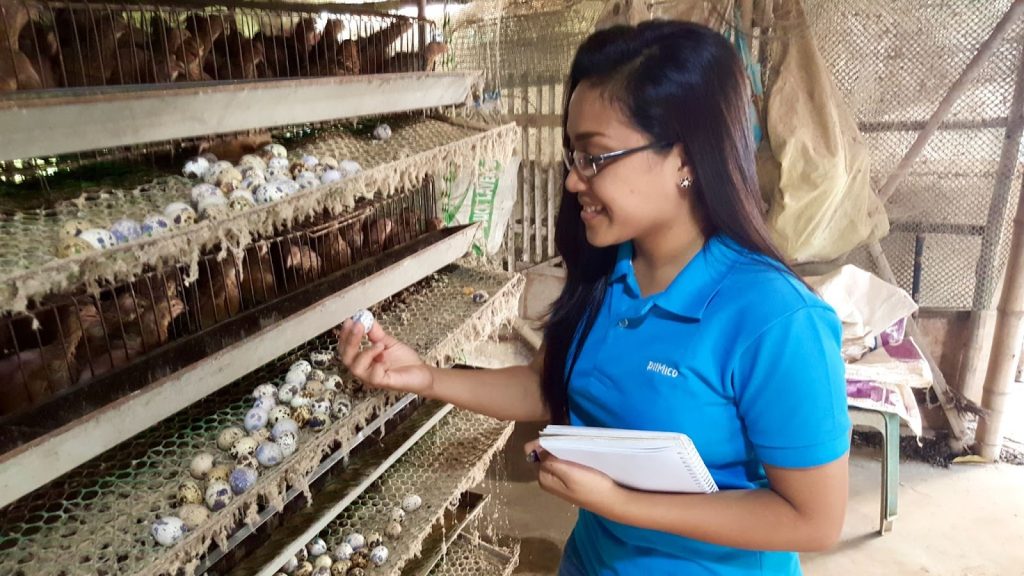
Q: Your work is described as the “early warning system” for our “biological engine.” How do you manage to prevent crises before they start?
Dr. Emie: I align medication, vaccination, and biosecurity protocols with the unique environmental challenges and risks of each specific farm. This “early warning system” allows us to detect health indicators or disease patterns early, intervening at the source to prevent outbreaks before they occur. Biosecurity can be considered the invisible shield that protects both our food and our future. Therefore, food safety does not start in the kitchen — it starts on the farm.
Ensuring consistent safety requires more than technical expertise—it involves translating complex STEM principles into practical, understandable actions for farm workers. As a woman in this field, I use empathy and compassion to build trust, ensuring our partners understand why these protocols matter. When biosecurity becomes part of the farm culture rather than just a set of instructions, it becomes a shared responsibility that stops crises before they even begin.
Q5: What is the most rewarding part of this career, and what is your message to young women looking to enter the field?
Dr. Emie: I remember my first case in 2016 when I was a newly licensed veterinarian. We visited a duck farm solely for exposure, but we found that many of the ducks were paralyzed from botulism. I realized that knowing a disease from a textbook is different from managing it in the unpredictable reality of a farm. We immediately helped the owner manage the outbreak and recommended a specific medication and intervention strategy. When the farmer later shared how the ducks had recovered because of our guidance, I felt a deep sense of fulfillment.
The most rewarding part is seeing the tangible impact of your work—the relief on a farmer’s face when their animals recover, and their livelihood is secured. This career allows you to be part of something bigger: protecting food security and sustaining communities.
In the field, credibility is built through persistence and commitment. Do not be afraid to step into spaces that challenge you. Growth happens when you dare to move beyond your comfort zone to become the reason the livestock and poultry sector keeps moving forward.
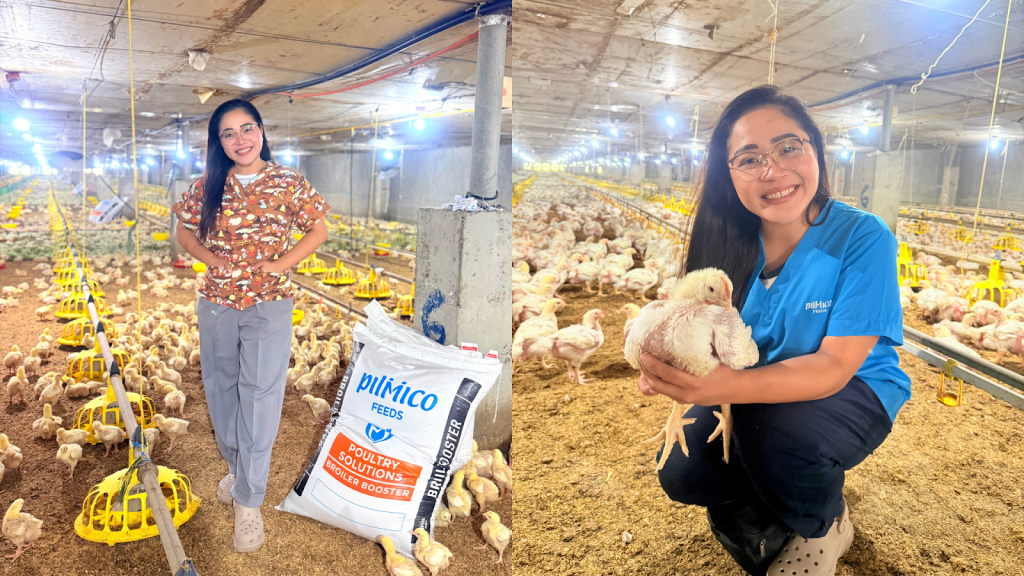
For Dr. Emie, success is no longer measured by individual achievements but by the systemic impact she creates. By evolving from a reactive professional to a proactive “Sentinel,” she has transformed biosecurity from a set of rigid protocols into a shared culture of vigilance that supports farmers and sustains communities.
Today, she continues to demonstrate that when science is applied with compassion, understanding, and persistence, it does more than just solve technical cases — it secures livelihoods and protects the future of food.
“I am Doc Emie, and as simple as it may sound, but I make animal disease prevention happen.”
Pertanyaan yang Sering Diajukan
1: What is this article about?
This article profiles Dr. Emiechelle “Emie” Rivera, a field veterinarian at Aboitiz Foods, as part of the HERstory Women’s Month series. It explores how she has spent nearly a decade translating complex biosecurity protocols into practical farm culture — serving as an early warning system that prevents disease outbreaks before they occur, and demonstrating that compassion and scientific precision are equally essential tools in safeguarding the food chain.
2: What does biosecurity work on a farm actually involve, and why does it matter?
Biosecurity involves aligning medication, vaccination, and preventive protocols with the specific environmental risks and biological characteristics of each farm. By detecting health indicators and disease patterns early, a field veterinarian can intervene at the source before an outbreak spreads — protecting animal welfare, farm productivity, and ultimately, the quality and safety of food produced for consumers. When biosecurity becomes embedded in farm culture rather than treated as an external requirement, it functions as a sustainable, proactive shield rather than a reactive measure.
3: How does Dr. Emie translate complex STEM-based biosecurity protocols for farm workers?
Rather than presenting protocols as technical directives, the approach centers on empathy and relationship-building. By using clear, accessible language and connecting protocols to outcomes that farmers visibly care about — the health of their animals and the security of their livelihood — complex biosecurity measures become meaningful actions rather than abstract instructions. When farm workers understand the reasoning behind a protocol, adherence improves because the practice is adopted as a shared responsibility rather than an external mandate.
4: How does compassion function as a practical tool in veterinary and biosecurity work?
Compassion enables a veterinarian to build the trust that is essential for effective field work. Farmers are more willing to report problems early, follow guidance consistently, and adopt new practices when they feel their veterinary partner genuinely understands their situation. In one early-career case, responding to a botulism outbreak on a duck farm required not just technical knowledge but also the empathy to help a stressed farmer take decisive action. The ducks recovered, and the farmer’s trust in expert guidance was cemented through that experience.
5: What is Dr. Emie’s message to young women considering careers in veterinary science or agribusiness?
Credibility in the field is built through persistence, not position. Stepping into challenging, uncomfortable environments is where real professional growth occurs. Young women should not wait until they feel fully prepared — the learning happens in the doing. Seeing the tangible impact of work on both animals and farmers — the relief of a recovered herd, a farmer’s livelihood secured — is the most powerful source of professional purpose. Science applied with compassion and commitment achieves more than technical expertise alone ever could.