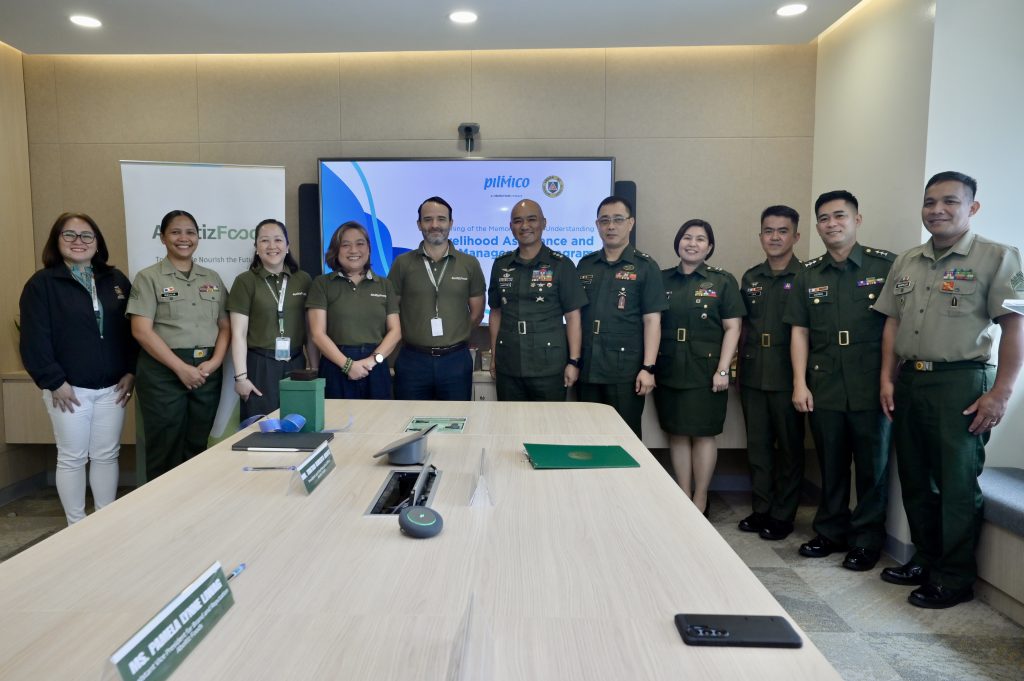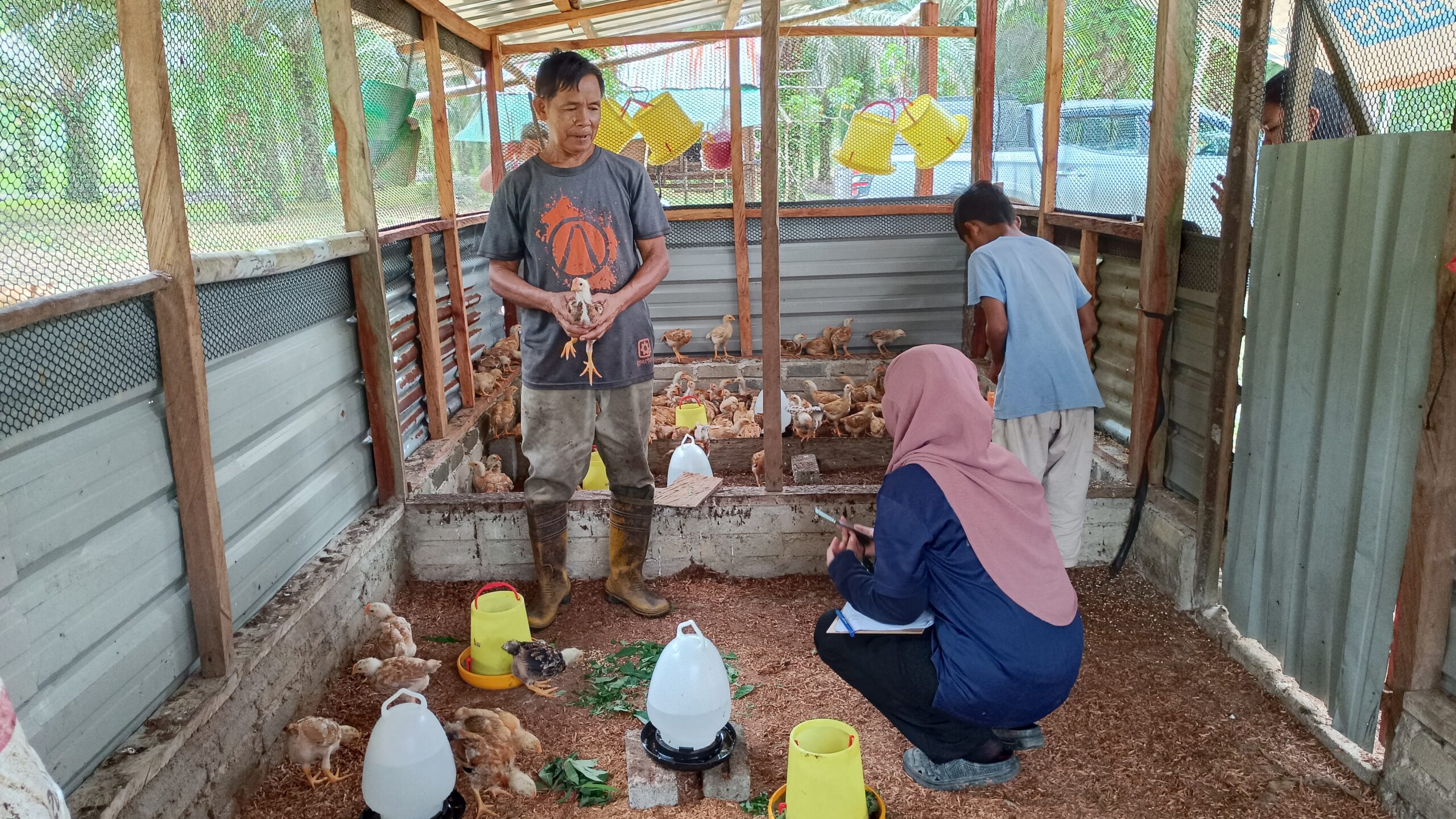
Menyusul keberhasilan program livelihood Gold Coin Malaysia (Gold Coin) yang pertama kali dijalankan di komunitas penduduk asli Orang Asli di Pahang, mereka melanjutkan kemitraan mereka dengan Global Peace Foundation Malaysia (GPFM) untuk tahun 2024.
Untuk siklus kedua, mereka bertujuan untuk memperluas inisiatif ini ke lebih banyak keluarga di masyarakat untuk menciptakan sumber mata pencaharian yang berkelanjutan. Gold Coin dan GPFM akan mengedukasi dan mendampingi masyarakat, memberikan aliran pendapatan yang stabil sambil memastikan keluarga mereka memiliki akses terhadap nutrisi dan ketahanan pangan yang memadai.
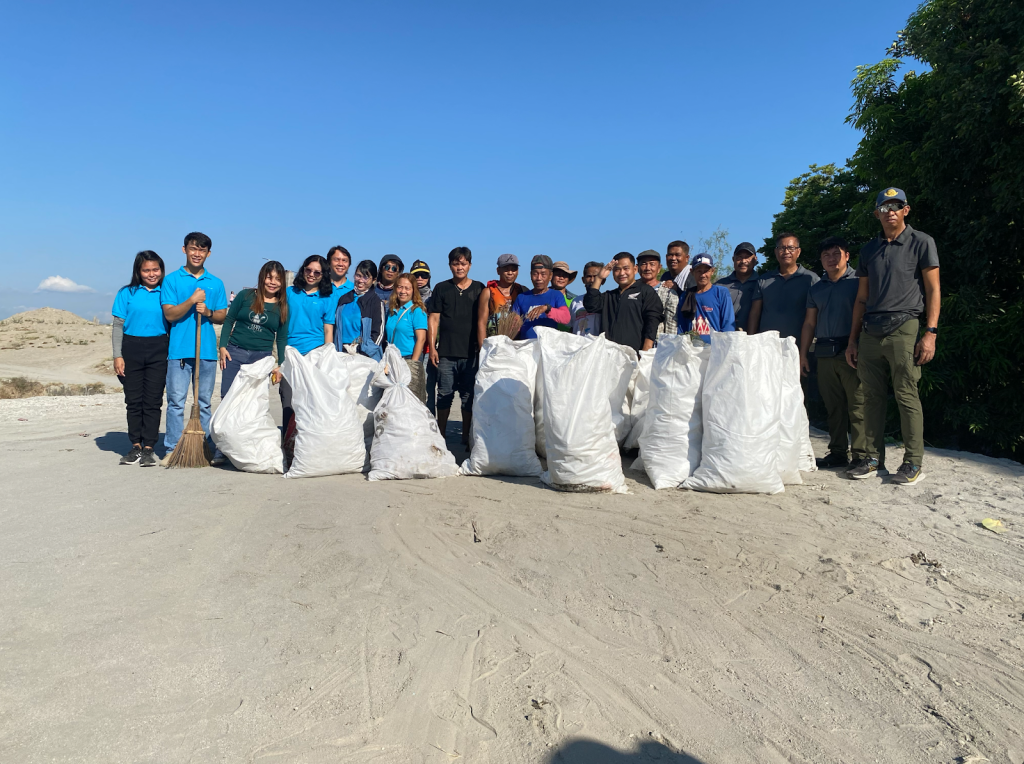
Dari Desember 2023 hingga Januari 2024, anggota tim Gold Coin membangun kandang ayam dan memberikan pakan untuk ayam dari berbagai tahap kehidupan. Dalam beberapa bulan ke depan, mereka juga akan memberikan bantuan teknis melalui seminar dan lokakarya dengan dokter hewan. Hal ini untuk memastikan bahwa masyarakat memiliki keterampilan yang diperlukan untuk mempertahankan mata pencaharian mereka.
Saat Gold Coin dan GPFM memulai siklus kedua program mata pencaharian mereka di komunitas Orang Asli Pahang, dedikasi mereka terhadap pembangunan berkelanjutan menjadi nyata. Dengan memperdalam komitmen mereka untuk memberdayakan masyarakat setempat, mereka secara langsung berkontribusi pada beberapa Tujuan Pembangunan Berkelanjutan (SDGs) Perserikatan Bangsa-Bangsa (PBB), termasuk Tujuan 1: Tanpa Kemiskinan dan Tujuan 2: Tanpa Kelaparan. Melalui program-program mata pencaharian mereka, mereka mendorong pertumbuhan inklusif dan kesejahteraan sosial, membuka masa depan yang lebih baik karena lebih banyak masyarakat yang mendapat manfaat dari upaya kolaboratif tersebut.
Pertanyaan yang Sering Diajukan
Why is the partnership with Global Peace Foundation Malaysia considered critical to the program’s success?
The Global Peace Foundation Malaysia serves as the on-the-ground community partner, facilitating access, trust, and coordination with the Orang Asli residents. The collaboration brings together private sector resources and nonprofit community expertise, making it possible to design and deliver a livelihood program that is both practical and culturally appropriate for the indigenous community.
How does the Year 2 cycle of the Orang Asli livelihood program differ from the first?
The second cycle expands the reach of the initiative to more families in the indigenous Orang Asli community of Pahang, building on the proven model of the first run. Alongside chicken coop construction and feed delivery, the program now includes additional technical assistance through veterinarian-led seminars and workshops to help residents develop the skills needed for long-term self-sufficiency.
What activities took place between December 2023 and January 2024 under this program?
Team members built new chicken coops within the community and delivered feeds suited to chickens at different life stages. These activities were carried out to ensure the community was equipped with both the infrastructure and the nutrition resources required to raise healthy livestock as part of a sustainable income source.
Which United Nations Sustainable Development Goals does this initiative contribute to?
The program directly supports UN SDG Goal 1: No Poverty and Goal 2: Zero Hunger. By equipping the Orang Asli community with the tools, training, and resources to generate their own income and secure access to food, the initiative advances inclusive growth and long-term social welfare.
What role does veterinary expertise play in sustaining the community’s chicken farming operations?
Veterinarians will conduct technical seminars and workshops to train community members on animal health management and proper chicken care practices. This knowledge transfer is central to the program’s sustainability, ensuring that families can manage their farms independently and maintain the quality of their livestock over time.