Caring for Your Dog During the Rainy Season
The rainy season affects more than just our daily routines—it also impacts the health and comfort of our dogs. Wet fur, muddy paws, limited outdoor activity, and loud thunderstorms can cause stress, discomfort, and even illness.
As responsible pet parents, we can take simple yet meaningful steps to keep our dogs safe and healthy during this time.
Here are ten important reminders:
1. Keep Your Dogs Dry
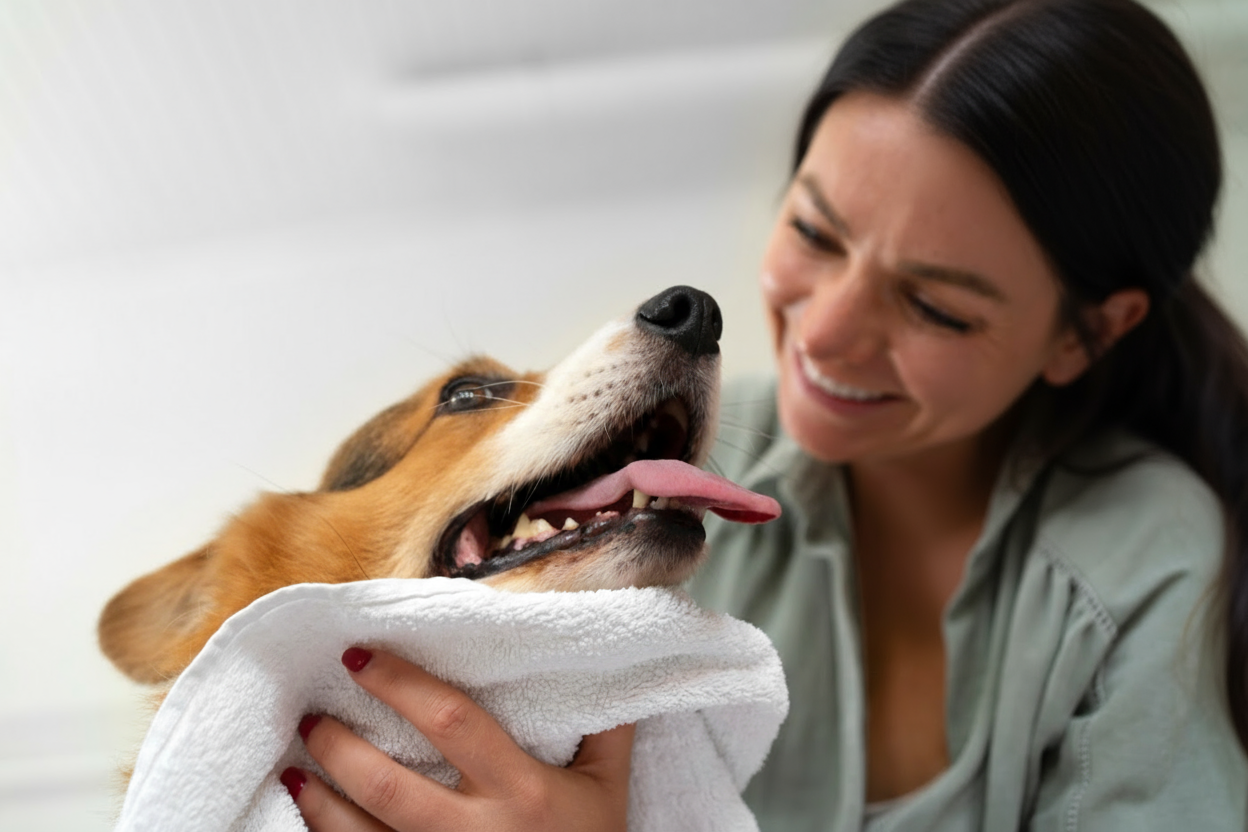
Moisture trapped in fur and paws can lead to skin irritations and infections. Dry your dog thoroughly after walks, and consider using a dog raincoat or towel to minimize exposure. For outdoor dogs, keep kennels dry, clean, and well-ventilated.
2. Protect Their Paws
Rain-soaked roads are not only slippery but may also carry harmful bacteria, including those that cause leptospirosis. Waterproof dog shoes can help protect your pet’s paws from both injury and infection.
It is equally important to clean your own shoes thoroughly after being outdoors, to avoid bringing dirt and bacteria inside your home.
3. Maintain Proper Grooming
Trim fur regularly, especially between paw pads, to reduce moisture buildup and prevent matting. Good grooming contributes to better hygiene and overall comfort.
4. Ease Rain-Related Anxiety
Thunderstorms can be stressful for dogs. Playing soft music or white noise can help mask harsh sounds. Pair this with a chew toy or treat so they associate stormy weather with comfort.
5. Keep Sleeping Areas Clean
Wash your dog’s bed and blankets regularly to prevent germs and pests. A clean resting space promotes better sleep and contributes to overall health.
6. Watch for Fleas and Ticks
Damp conditions increase the risk of parasites. Inspect your dog’s fur regularly, especially after outdoor walks, to prevent fleas and ticks from causing discomfort or disease.
7. Monitor Digestive Health
Sudden changes in weather can affect appetite and digestion. Watch for signs such as vomiting, diarrhea, or loss of appetite. Consistency in meals is important, and consult a veterinarian if problems persist.
8. Provide Indoor Activities
On days when outdoor play is not possible, keep your dog engaged indoors with toys, training exercises, or puzzle feeders. Mental stimulation helps prevent boredom and destructive behavior.
9. Create a Safe Space
Bad weather and loud noises can cause stress. Provide a quiet, comfortable area where your dog can retreat. Avoid excessive comforting when they are anxious, as this may reinforce fear. Instead, redirect their attention with calm activities.
10. Support Immunity Through Proper Nutrition
Strong immunity is essential, especially during the rainy season. Maxime dog food is formulated with antioxidants, essential nutrients, and high-quality proteins to support digestive health, strengthen the immune system, and promote vitality—helping your furry companion #LiveTheBestLifeTogether.
The rainy season brings challenges, but with care and preparation, our dogs can remain healthy, comfortable, and happy. Proper shelter, hygiene, and nutrition ensure that even rainy days are safe and manageable.
Discover Aboitiz Foods’ premium pet food brand, Maxime, by visiting their website at www.maxime.asia/ph
Pertanyaan yang Sering Diajukan
Why does the rainy season pose particular health risks for pets?
The rainy season creates conditions that significantly elevate health risks for dogs and cats. Standing water, flooded streets, and waterlogged soil become breeding grounds for bacteria and parasites. Leptospirosis – a potentially fatal bacterial infection that spreads through contact with contaminated water and soil – is a particular concern for dogs during wet weather. High humidity also promotes skin infections, fungal issues, and ear problems, especially in breeds with dense or floppy-eared coats. Being aware of these season-specific risks is the first step to keeping pets safe and healthy through the rains.
What precautions should pet owners take when walking dogs during rainy weather?
During the rainy season, walks should be kept brief and purposeful – especially during or after heavy rain. Avoid letting dogs wade through puddles, floodwater, or standing water, as these can carry disease-causing organisms. After every walk, paws should be thoroughly washed and dried to remove contaminants and prevent skin irritation or infection between the toes. If the rain is heavy and conditions are unsafe, it is better to delay the walk and engage the pet in indoor activity than to risk unnecessary exposure to hazards in waterlogged environments.
How important is vaccination and veterinary care during the rainy season?
Veterinary care is essential before and during the rainy season. Vaccinations – including those that protect against leptospirosis – should be updated ahead of the wet months, not after symptoms appear. A pre-season vet visit allows for deworming, health screening, and professional advice on season-specific risks for the specific breed, age, and health status of the pet. Early detection and preventive action are far more effective than treating illness after exposure. Pet owners should treat the rainy season as a cue to schedule a routine check-up.
How should nutrition and hydration be managed for pets during the rainy season?
Rainy season conditions can affect a pet’s appetite, digestive health, and hydration. Pets should always have access to fresh, clean water – they should never be allowed to drink from puddles or outdoor water sources that may be contaminated. A consistent, high-quality diet appropriate for the pet’s age and size helps maintain immune resilience during a season when health threats are elevated. Wet conditions can also cause food to spoil faster, so bowls and feeding areas should be kept clean and food should not be left out for extended periods.
What are the key takeaways for responsible pet parenting during the rainy season?
Responsible rainy-season pet care comes down to three principles. Prevention comes first: vaccinate, deworm, and schedule a vet check before the rains intensify. Vigilance matters daily: monitor for changes in behavior, skin condition, appetite, or energy that could signal health issues, and minimize exposure to floodwater and contaminated surfaces. Finally, nutrition and hygiene are year-round foundations that matter even more during high-risk seasons – a well-nourished, clean, and up-to-date-on-vaccinations pet is far better equipped to stay healthy through the rainy months.