Written by Teddy Cambosa of Marketech APAC.
Agribusiness rarely sits at the center of a marketing conversation. Its work happens in mills, farms, and supply chains, far from the shelf or the screen. For Joeben Gamatero II of Aboitiz Foods, that distance is exactly the challenge.
In Marketech APAC’s latest Milestones feature article interview this World Food Day, the team spoke with Joeben, who currently serves as Vice President for Agribusiness Marketing and Brand & Reputation Management, and explored the broader shift in how the company sees marketing as a driver of business outcomes, not only of brand awareness.
Marketing as a growth engine
For Joeben, leadership goes well beyond campaigns and short-term promotions. He sees the marketing leader as someone who connects customer needs to the enterprise business model, drives cross-functional alignment, and builds organisational capability.
“It is about serving as a growth engine and a custodian of sustainable business value,” he said.
At Aboitiz Foods, that means turning the marketing organization into a Center of Excellence. The aim is to elevate technical product marketing, speed up digital capabilities, and build a unified culture across teams in different countries. It also means tying marketing to the company’s purpose.
He said the goal is “ensuring that every marketing effort actively advances our mission to nourish Asia’s future and to create long-term value for our team members, farmers, partners, consumers, and communities.”
One umbrella, one narrative
Brand strategy, corporate reputation, consumer insights and commercial marketing now sit under a single roof at Aboitiz Foods. Joeben said this removes the silos that usually separate them and keeps the teams strategically aligned.
“In an industry as dynamic and essential as food and agribusiness, reputation and brand equity are inseparable from commercial success,” he said.
In practice, employee engagement, corporate social responsibility, brand and reputation, and technical-commercial marketing are anchored in the company’s brand promise – “Together, we nourish the future” – and validated through the company’s products, customer interactions, and community initiatives across its regional operations.
The same thinking applies to the tension between short-term growth and long-term brand equity. “At Aboitiz Foods, we don’t see commercial growth and long-term brand equity as competing priorities. We believe that trust is fundamental to sustaining growth,” Joeben said.
This is reflected in how the company’s principles remain consistent despite different ‘trust drivers’ across its portfolio. In the B2B feeds and livestock businesses, trust comes from technical expertise, consistent product performance, and reliable partnerships. In the consumer-facing businesses, it comes from product quality and delivering on brand promises. Both are anchored in the same commitment to quality, innovation, and responsible business practices.
Earning trust in a volatile industry
Communications at Aboitiz Foods are built around technical accuracy, responsible claims, and proactive stakeholder engagement.
That holds whether the topic is animal nutrition innovation, customer support through challenges such as African Swine Fever, or sustainability initiatives. “Reputation is built through consistent actions, not communications alone,” he said.
Volatility is a given in the sector, whether it comes from commodity prices, climate impacts or disease threats. Joeben said trust holds when a company proves itself a dependable partner in good times and bad, through steady technical support for farmers, reliable supply chains and faster digital channels. “When stakeholders see consistent integrity and support during times of uncertainty, brand trust becomes unshakable,” he said.
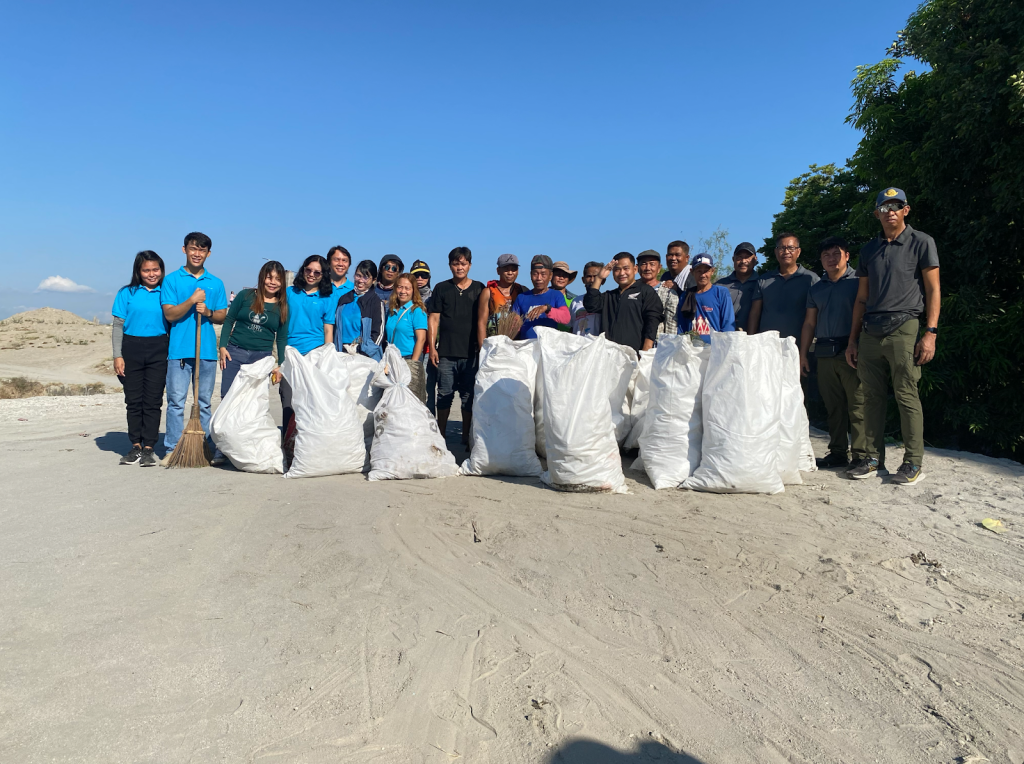
CSR programs are part of that proof. They give the brand promise a visible form, but only if the company is consistent about it. “By consistently showing up for communities and delivering meaningful impact—not only when it is convenient or when there is a communications opportunity—we strengthen credibility and trust over time,” Joeben said.
The road ahead for Marketing in Asia
Looking forward, Joeben sees data-driven digital tools, advanced analytics and sustainable precision agribusiness as the most transformative forces in the sector. B2B and farm customers increasingly expect data-backed product claims, digital sales enablement and seamless omnichannel experiences. Marketing’s task is to turn technical value into clearer, more relevant experiences for them, “not simply to adopt technology for its own sake,” he said.
For marketing leaders preparing now, he pointed to three capabilities to build: “commercial and customer understanding, digital and AI-enabled intelligence, and the ability to build trust across increasingly diverse stakeholders.” Just as important is working more closely with commercial, technical and operational teams so marketing stays tied to the realities of the business.
“The opportunity for marketing is to move beyond communicating what businesses do, toward helping shape how they grow, innovate, and create value,” Joeben said.