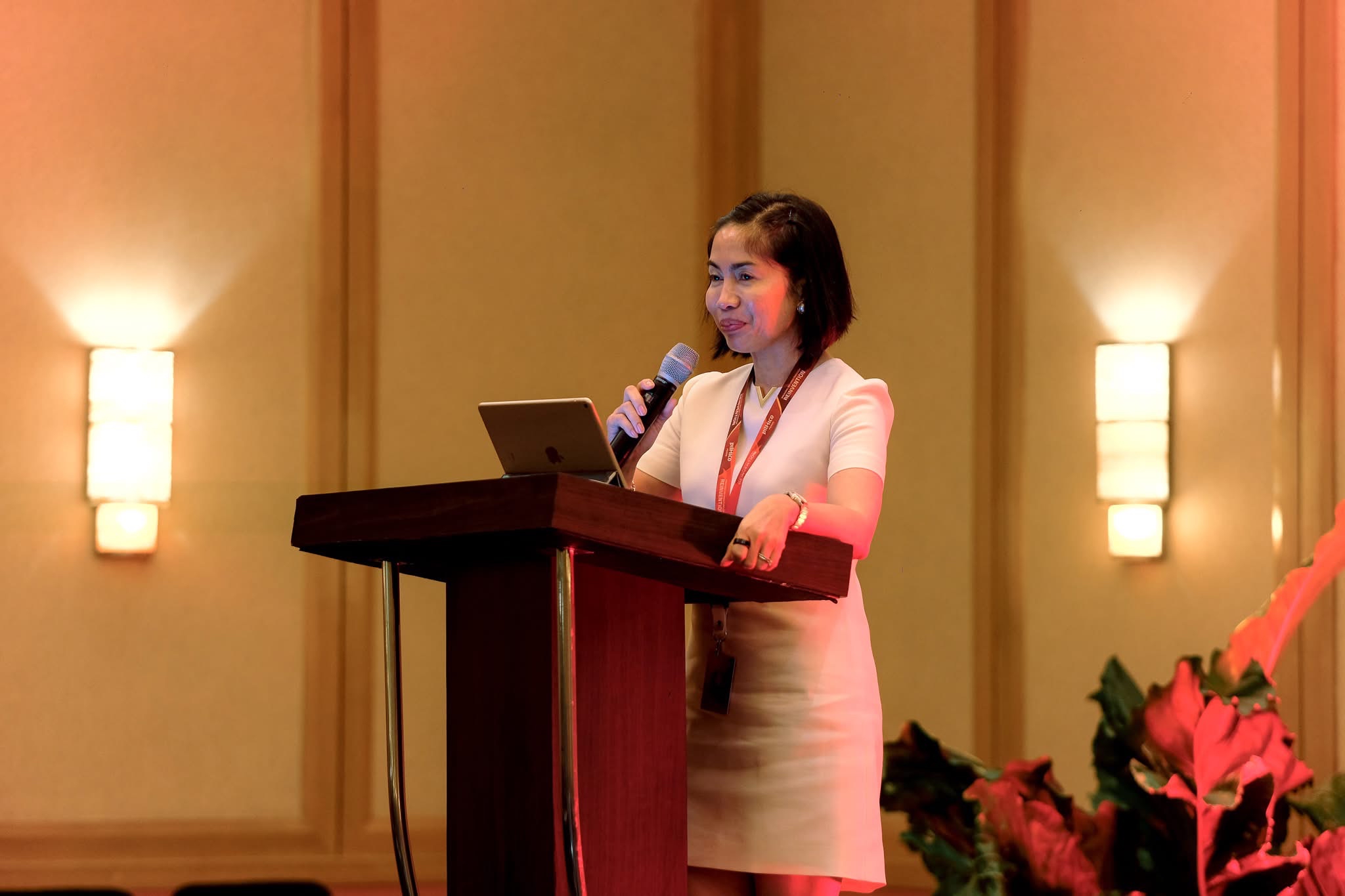
In the dynamic ecosystem of Philippine agribusiness, steering a national operations team requires more than just strategic oversight. It calls for perspective shaped by experience—the kind that is earned on the ground.
Ms. Norie Bermudez, Aboitiz Foods’ First Vice President and Country Director of Agribusiness Philippines, is a leader who balances boardroom perspective with grassroots understanding. With 27 years of experience that began as a Territory Business Manager in Visayas, carrying sacks of feed and working directly with customers, she is now breaking the “silicon ceiling” by redefining what it means to lead with intuition, relatability, and a decade-long vision for growth.
We had a conversation with Norie to learn how she is bridging generations and driving transformation from mill to meal.
Q: You’ve described your agribusiness journey as a “roller coaster.” How did those early days on the frontline shape the leader you are today?
Norie: I came from being a frontline salesperson – a Territory Business Manager, covering a small territory in the Visayas, close to 27 years ago. Starting there really gives me a crystal-clear understanding of our customers’ pain points and what will shift their decisions. It’s not just from the books that I read or from Googling it; it’s about my own personal journey. I experienced it, so I can relate to them. The best part is that my story is not being narrated by me, but by the customers, through their own testimonials.
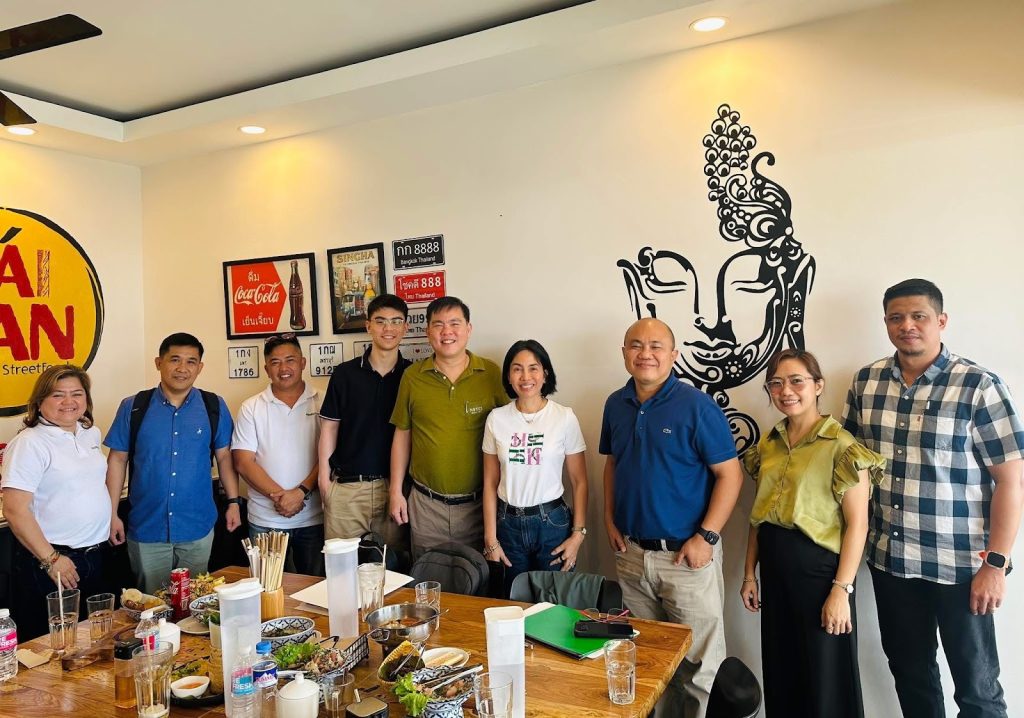
Q: In your role, you manage a diverse group of people from different generations. How do you stay relevant to both?
Norie: I often describe my team as two “buckets”: the young ones and those who are “feeling young”; both bring immense value. To stay relevant, I try to measure the “delta” I’m making—looking at my old self versus my new self. The young ones today effectively respond to a more vulnerable leader; they want to see that you are a true person and that you are not “bionic.” I even ask them for a lot of help with technology. It’s a journey of molding yourself into a “better you” that is more relevant to the team.
Q: As a leader, how do you make your team embrace your aspirations for the business?
Norie: In 2022, I crafted a long-term aspiration to double our revenue in 10 years. I needed their buy-in to the idea that we really need to grow, because if we don’t, we’ll die as a business. Growth is not optional. What makes me happy now is that the goal is no longer mine alone. Every time the team is in an activity, they anchor that activity to our goal. When you have this multiplier effect of motivation and aspiration, things become lighter.
Q: Agribusiness is often seen as a male-dominated field. What advice do you have for women who want to take up space in the boardroom?
Norie: I’ve had to admit my physical weaknesses from my frontline days—long drives and carrying heavy sacks for feeding trials. But we should not underestimate ourselves. While we may be physically “weaker,” we are more creative and have that motherly instinct. You don’t have to mimic a strong man; I try to portray a relatable woman. Gender is not an issue as long as you recognize your limitations and use your strengths in a proper mix and balance.
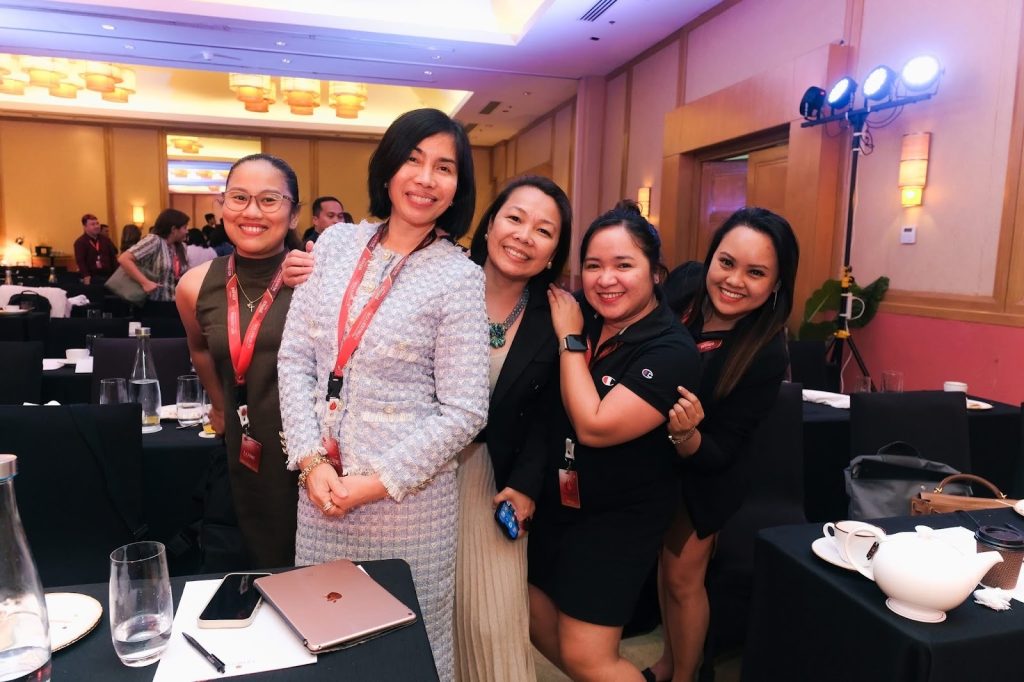
For Norie, leadership is not a destination but a continuous process of refinement—from who she was and the leader her team needs her to be today.
Her 27-year journey proves that women can lead with courage and authenticity while balancing high-level strategy with genuine, grassroots empathy. Through her leadership, growth is not measured solely in numbers but in the people developed, the teams aligned, and the meaningful impact across the food value chain.
“I am Norie Bermudez, and I commit to empowering more women in agriculture, creating meaningful impact, and feeding communities from mill to meal.”
Frequently Asked Questions
1: What is this article about?
This article is a HERstory Women’s Month profile of Norie Bermudez, First Vice President and Country Director of Agribusiness Philippines at Aboitiz Foods. With 27 years of experience starting from frontline feed sales in the Visayas, Norie shares how grassroots experience shaped her leadership philosophy, how she manages multigenerational teams, and why she believes women can lead effectively in agribusiness without mimicking traditionally male leadership styles.
2: How did frontline experience shape Norie’s approach to senior leadership?
Starting as a Territory Business Manager carrying sacks of feed in the Visayas gave Norie a firsthand understanding of customer pain points that no amount of research can replicate. This ground-level perspective makes her leadership more credible and relatable — customers validate her story through their own testimonials rather than through corporate claims. When strategic decisions are informed by lived experience on the frontline, they reflect both operational reality and genuine customer empathy.
3: How does Norie manage a multigenerational workforce effectively?
She describes her team as two groups: the young and those “feeling young,” both of whom bring distinct value. To stay relevant across generations, Norie measures her own growth — comparing her past and present self — and actively seeks the help of younger team members, particularly with technology. She recognizes that today’s younger employees respond more to authentic, vulnerable leaders who show genuine humanity rather than projecting an invulnerable, authoritative persona.
4: How does Norie drive organizational alignment behind a long-term growth vision?
In 2022, Norie established a ten-year aspiration to double revenue — a goal that required genuine buy-in across the team, not just top-down direction. By connecting every team activity explicitly to the shared growth target, she created a multiplier effect: the aspiration became the team’s own, not just hers. This shift in ownership transforms organizational energy, making ambitious goals feel lighter because they are pursued collectively rather than managed from above.
5: What is Norie’s advice to women who want to build careers in agribusiness?
Effective leadership in agribusiness does not require mimicking a traditionally forceful or physically dominant style. Women should acknowledge their limitations honestly while leaning into distinctive strengths — creativity, intuition, empathy, and the ability to connect across diverse groups. Relatability is a genuine competitive advantage in a relationship-driven industry. Gender is not the obstacle; underestimating one’s own value is. Women who lead authentically and are willing to continuously evolve create meaningful impact that outlasts any individual achievement.