Innovation is born in the lab, but it lives or dies on the field.
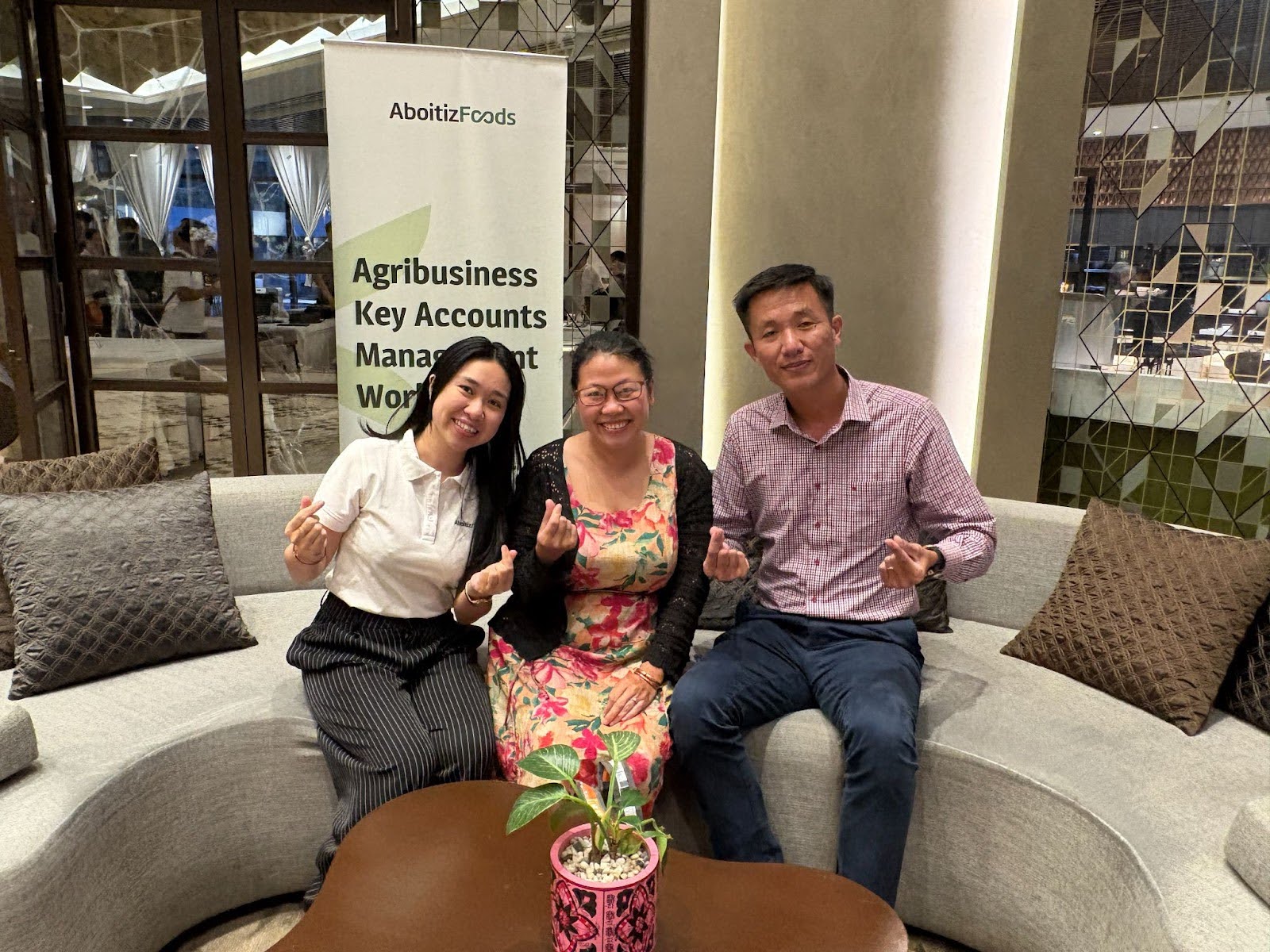
Bridging the gap between a controlled environment and a farmer’s livelihood requires more than data; it requires a market strategy built on trust and empathy. As a Product Marketing Manager at Aboitiz Foods, Phuong Nguyen Thi Truc is the vital link ensuring our innovation translates into ground-level success, moving breakthroughs from mill to meal.
Spotlighting #HERstory this Women’s Month, we sat down with Phuong to discuss her role in transforming high-level research into practical solutions through a unique blend of scientific knowledge, intuition, and active listening, ensuring our innovation and purpose reaches every partner on the ground.
Q: You have a deep background in aquatic animal diseases, specifically for shrimp and fish. How does that scientific foundation shape your role today?
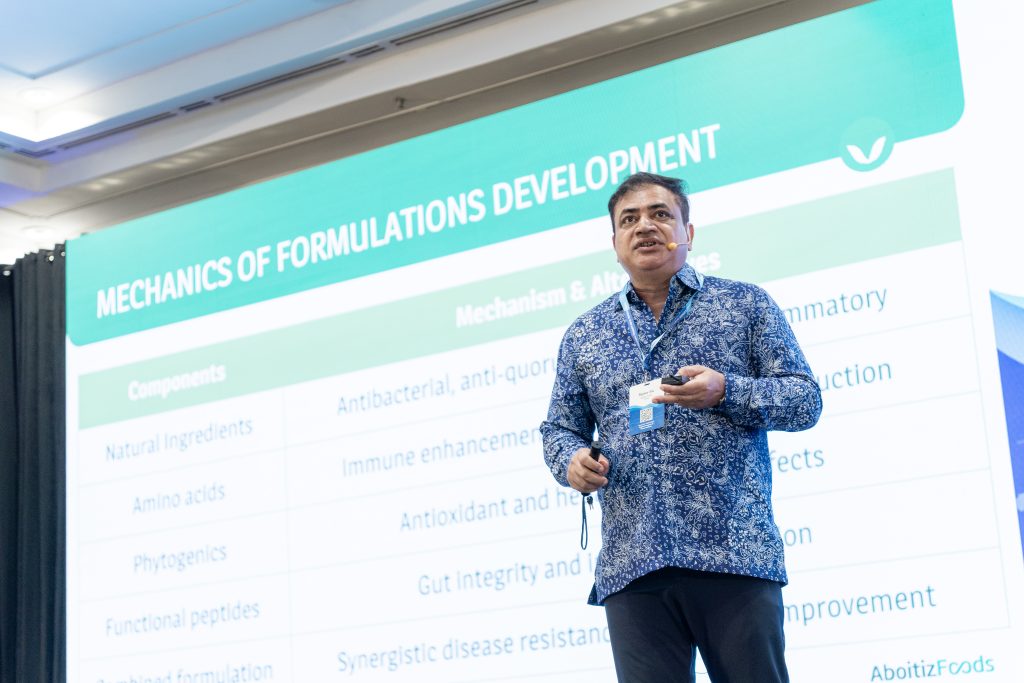
Phuong: My scientific background is the lens through which I see the world. I’ve always been fascinated by the “what” and the “how” of biology, but I eventually realized I wanted to be part of the “so what?”—the moment where science creates a tangible impact for a farmer. At Aboitiz Foods, I act as a technical translator. I turn complex research and data into accessible, practical solutions that our customers can trust.
Q: You’ve worked across diverse markets. What is the most challenging part of navigating different regions?
Phuong: It’s the invisible borders—the cultural and language barriers. Agribusiness is deeply rooted in local tradition. What works in one country might be met with skepticism in another due to different food cultures or species-specific methods. My job is to move beyond mere translation and into immersion. I work to understand the local “why” so that when we introduce an innovation, it doesn’t feel like a foreign concept, but a partner in their success.
Q: How do you handle skepticism or “difficult” feedback from the field?
Phuong: I view feedback as a gift, even when it’s delivered with frustration. I remember a customer who was highly resistant to new methods. Instead of pushing a sales pitch, I practiced active listening. By hearing his fears, I identified his exact pain points. This is where timing becomes a strategic tool. In agribusiness, introducing a product too early leads to confusion; too late means the farmer has already suffered a loss. By listening, I can pinpoint the “perfect window” where our innovation solves a specific problem at the exact time the customer needs it most.
Q: In product marketing, why is stakeholder trust so critical during a product launch?
Phuong: Building stakeholder trust is the foundation that makes that timing work. You cannot just drop a product into a market; you have to build trust with farmers beforehand. Trust ensures that the farmers have a reason to believe in our product. Without that relationship, even the best science will stay on the shelf.
Q: How is being a woman a distinct advantage in this industry?
Phuong: I believe women have a natural inclination toward the “fine print”—the subtle nuances of human interaction that others might overlook. Whether it’s a shift in a customer’s body language or a cultural etiquette detail, these small cues are the secret to building trust. This attention to detail allows me to be a better storyteller communicating the “why.” When a farmer understands the purpose behind the science, that’s when innovation truly starts making an impact on the ground.
“I am Phuong Nguyen Thi Truc, and I make innovation accessible by translating scientific breakthroughs into sustainable livelihoods.”
Frequently Asked Questions
1: What is this article about?
This article is a HERstory Women’s Month profile of Phuong Nguyen Thi Truc, Product Marketing Manager at Aboitiz Foods. With a background in aquatic animal diseases, Phuong describes how she serves as the bridge between scientific research and practical farmer outcomes — translating complex innovation into accessible, market-ready solutions across diverse Asian markets while navigating cultural, language, and trust barriers.
2: How does a scientific background in animal diseases translate into a product marketing role?
Deep technical knowledge in aquatic animal biology provides both credibility and clarity when communicating with farmers. Understanding the science behind a product enables more precise, empathetic conversations about real farm problems — moving beyond sales pitch language toward genuine problem-solving dialogue. This scientific foundation allows a marketer to identify the exact window when a farmer needs a particular solution most, making product introduction timely, relevant, and trustworthy rather than premature or reactive.
3: What are the biggest challenges of marketing agricultural innovations across different Asian markets?
Cultural and language differences represent the most significant barriers — not just translation, but deeply rooted agricultural traditions that vary by country and species. What works well in one market may be met with skepticism elsewhere. The approach is one of immersion rather than adaptation: understanding the local reasoning behind existing practices so that any new product or innovation is framed as a complementary partner in success rather than a disruption to established methods.
4: Why is stakeholder trust the foundation of a successful product launch in agribusiness?
Trust must be built before a product enters the market. Farmers evaluate products within a framework of prior relationships, community reputation, and past experiences. Without an established trust foundation, even technically superior innovations will be left unused. Building trust through consistent listening, field presence, and responsive follow-through creates the conditions in which farmers are open to adopting new approaches — and enables precise timing of product introductions that solve problems at the moment they are most acutely felt.
5: How does attention to cultural nuance benefit women working in technical and scientific fields?
Attention to subtle interpersonal signals — body language, cultural etiquette, unspoken hesitations — allows for deeper and more authentic relationships with farmers and partners. This attentiveness translates into more effective storytelling: communicating not just what a product does, but why it matters to a specific farmer’s context and livelihood. When the purpose behind science is communicated in a culturally resonant way, innovation moves from a theoretical concept to a practical tool that farmers trust and adopt.