Imagine baking a fresh batch of chocolate chip cookies using a recipe you have mastered. However, when you take your first bite, you notice they are denser than usual.
The reason for this change may not be in your recipe; it could be the unpredictable weather conditions.
Changing weather conditions can cause humidity levels to fluctuate throughout the day. These shifts affect how ingredients behave, influencing everything from dough consistency to the texture of your finished baked goods. Learn how to navigate the challenges of baking in any weather.
Rain vs. Sun: The Science of “Thirsty” Flour
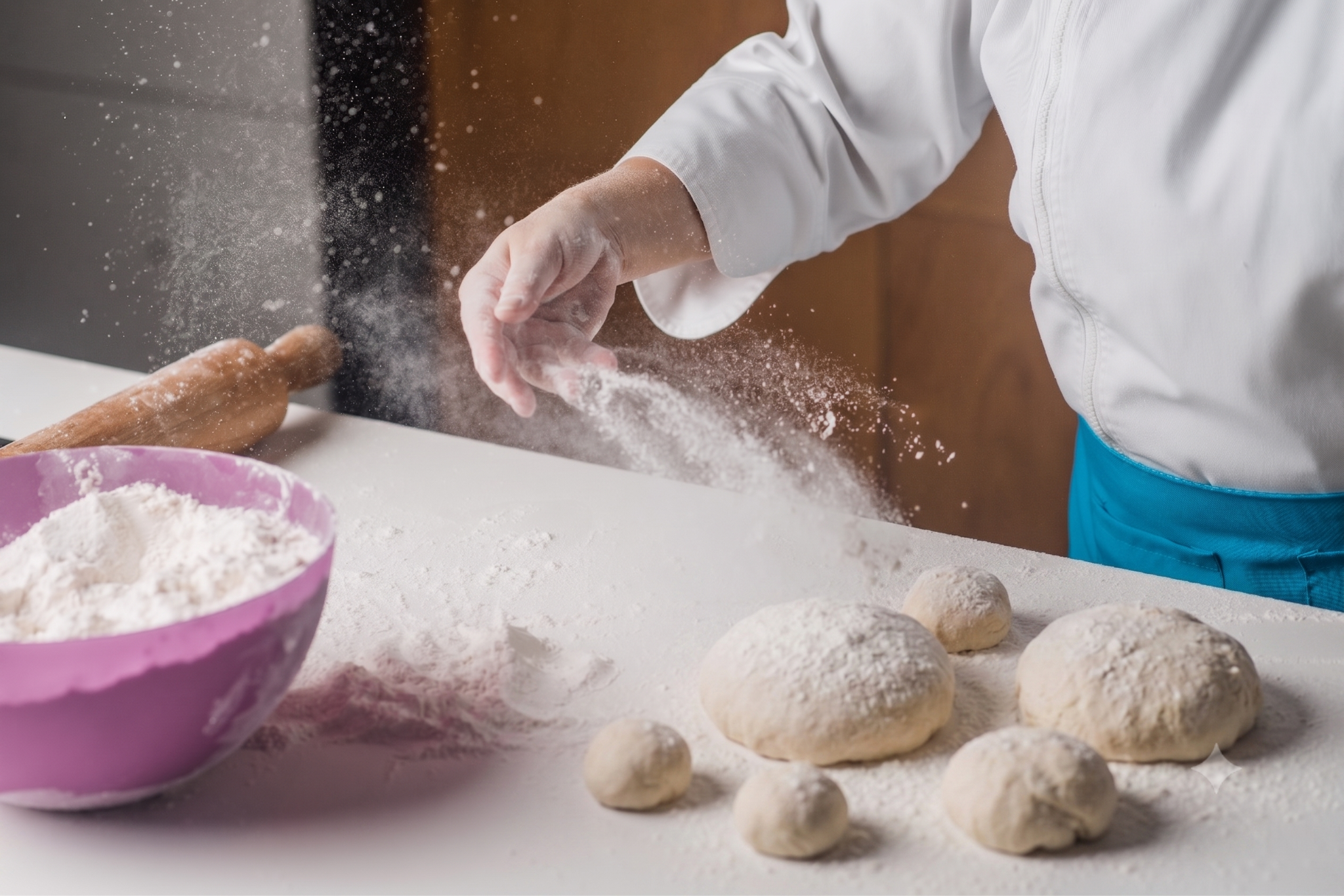
Flour, sugar, and baking powder are hygroscopic—meaning they act like silent sponges, absorbing moisture directly from the air. Since wheat flour naturally contains around 13% to 14% moisture, it constantly reacts to your kitchen’s environment.
Rainy Days: Managing High Humidity
When a sudden downpour hits, relative humidity inside your kitchen spikes.
- What Happens: Your flour slowly absorbs vapor from the damp air, pre-hydrating before you even add your liquids
- The Baking Impact: This extra moisture results in sticky, overhydrated dough that is difficult to shape. It also weakens the gluten structure, causing breads to bake flat or rise poorly.
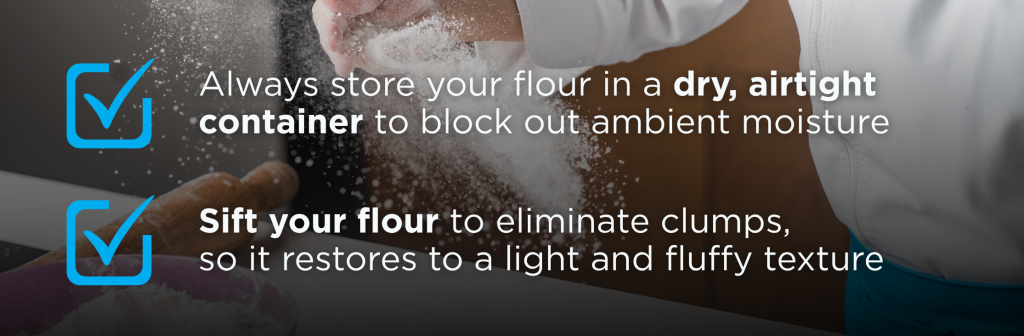
Chef Carla Valencia, Pilmico’s Technical Service Manager for Flour, shares her rainy-day essentials:
Sunny Days: Navigating Extreme Heat
On the other hand, a scorching tropical morning presents an entirely different set of challenges.
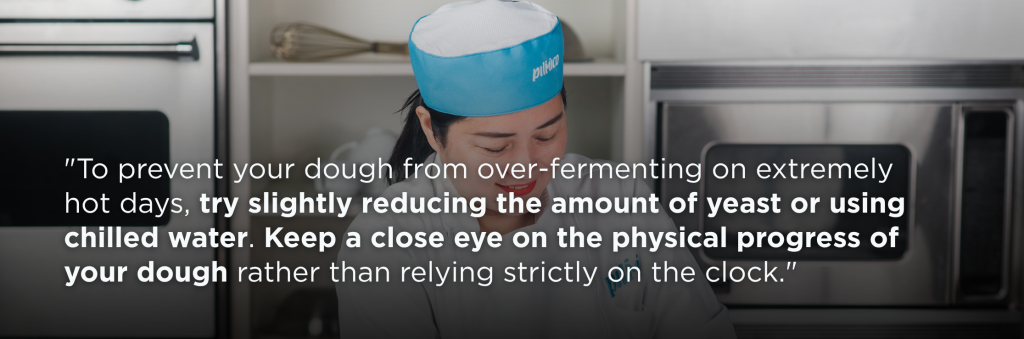
- What happens: Intense heat evaporates the natural moisture inside your flour, leaving it dry. Meanwhile, rising kitchen temperatures heat up your mixing bowls and ingredients.
- The Baking Impact: Your parched flour absorbs liquids too quickly, resulting in a crumbly dough that stales rapidly. Additionally, warm temperatures put yeast in overdrive, causing the dough to rise too quickly and collapse in the oven.
The Pilmico Promise: Consistency Amidst the Changing Weather
Although we cannot control the weather, bakers can manage the quality of their essential ingredients. Through Pilmico Flour, we provide bakers nationwide with a reliable foundation to begin their baking.
At Pilmico’s state-of-the-art milling facility in Iligan, we closely monitor moisture levels. Each batch of our flour undergoes rigorous testing to ensure that protein, ash, and moisture percentages remain consistent in every bag. This reliability gives you a predictable baseline, making minor recipe adjustments easy and stress-free as the seasons change.
Master Your Craft
Baking is a beautiful blend of science, art, and intuition. By understanding how temperature and humidity affect your ingredients, you can make the subtle adjustments needed to guarantee a perfect bake every time.
At Aboitiz Foods, we always Keep our Customers Top of Mind. We are committed to providing high-quality flour and being your reliable partners for growth.
Happy Baking!
FAQs
Where is Pilmico Flour produced?
Pilmico Flour is proudly manufactured in our state-of-the-art milling facilities located in Iligan City, Mindanao, Philippines. Strategically established in 1962, this vital hub allows us to efficiently process and distribute premium-grade flour to bakers and families all across the Philippines.
How does Pilmico Flour help bakers handle unpredictable Philippine weather?
While you cannot control the sudden shifts from sun to rain, Pilmico Flour gives you a stable baseline. Milled at a state-of-the-art facility, every bag undergoes rigorous testing to ensure consistent moisture and protein percentages.
How do I preserve the quality of my flour?
Chef Carla Valencia, Pilmico’s Technical Service Manager for Flour, shares her baking tips:
1. On hot days, she recommends slightly reducing the amount of yeast in your recipe and monitoring the physical progress of your dough rather than relying on the clock.
2. On rainy days, sift your flour to eliminate the clumps. Store your flour in air-tight containers to keep it fresh.