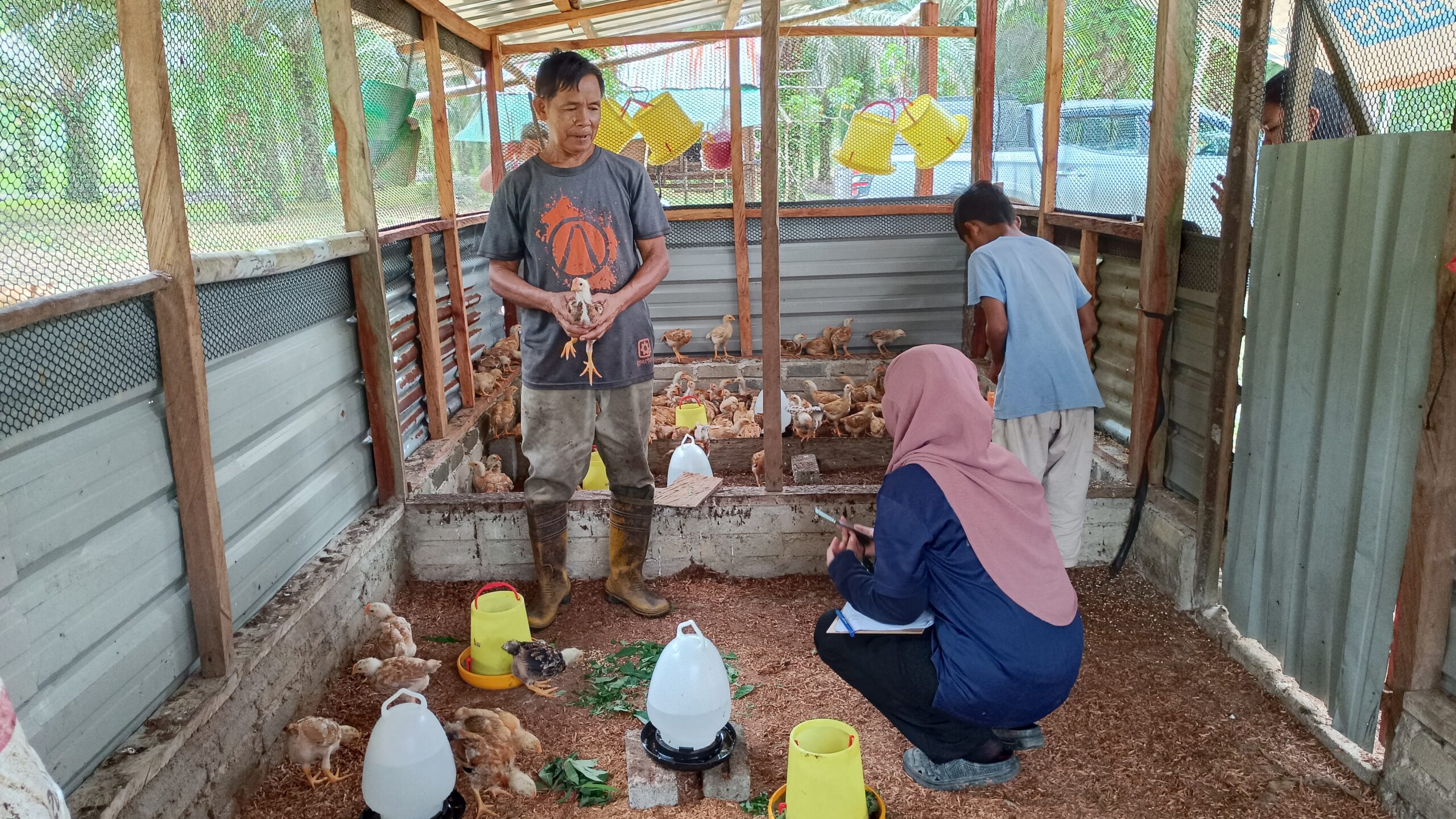
Following the successful first run of Gold Coin Malaysia’s (Gold Coin) livelihood program in the indigenous community of Orang Asli in Pahang, they continue their partnership with Global Peace Foundation Malaysia (GPFM) for 2024.
For their second cycle, they aim to extend this initiative to more families in the community to create a sustainable source of livelihood. Gold Coin and GPFM will educate and assist the community, providing a steady stream of income while ensuring their families have access to adequate nutrition and food security.
From December 2023 to January 2024, Gold Coin team members built chicken coops and delivered feeds for chickens of different life stages. In the coming months, they will also provide technical assistance through seminars and workshops with their veterinarians. This ensures that the community has the necessary skills to sustain their livelihood.
As Gold Coin and GPFM embark on the second cycle of their livelihood program in the Orang Asli community of Pahang, their dedication to sustainable development becomes evident. By deepening their commitment to empowering local communities, they directly contribute to several United Nations Sustainable Development Goals (SDGs), including Goal 1: No Poverty and Goal 2: Zero Hunger. Through their livelihood programs, they promote inclusive growth and social welfare, paving a better future as more communities benefit from such collaborative efforts.
Frequently Asked Questions
Why is the partnership with Global Peace Foundation Malaysia considered critical to the program’s success?
The Global Peace Foundation Malaysia serves as the on-the-ground community partner, facilitating access, trust, and coordination with the Orang Asli residents. The collaboration brings together private sector resources and nonprofit community expertise, making it possible to design and deliver a livelihood program that is both practical and culturally appropriate for the indigenous community.
How does the Year 2 cycle of the Orang Asli livelihood program differ from the first?
The second cycle expands the reach of the initiative to more families in the indigenous Orang Asli community of Pahang, building on the proven model of the first run. Alongside chicken coop construction and feed delivery, the program now includes additional technical assistance through veterinarian-led seminars and workshops to help residents develop the skills needed for long-term self-sufficiency.
What activities took place between December 2023 and January 2024 under this program?
Team members built new chicken coops within the community and delivered feeds suited to chickens at different life stages. These activities were carried out to ensure the community was equipped with both the infrastructure and the nutrition resources required to raise healthy livestock as part of a sustainable income source.
Which United Nations Sustainable Development Goals does this initiative contribute to?
The program directly supports UN SDG Goal 1: No Poverty and Goal 2: Zero Hunger. By equipping the Orang Asli community with the tools, training, and resources to generate their own income and secure access to food, the initiative advances inclusive growth and long-term social welfare.
What role does veterinary expertise play in sustaining the community’s chicken farming operations?
Veterinarians will conduct technical seminars and workshops to train community members on animal health management and proper chicken care practices. This knowledge transfer is central to the program’s sustainability, ensuring that families can manage their farms independently and maintain the quality of their livestock over time.