Focus on industry resilience. As aquaculture continues to play a growing role in global food security, the industry is adapting to increasingly complex challenges. Aboitiz Foods’ Aqua Farm Solution Lead Dr. Rajeev Jha shares his perspective on how a more proactive, integrated approach to health management can help build more resilient aquaculture systems.
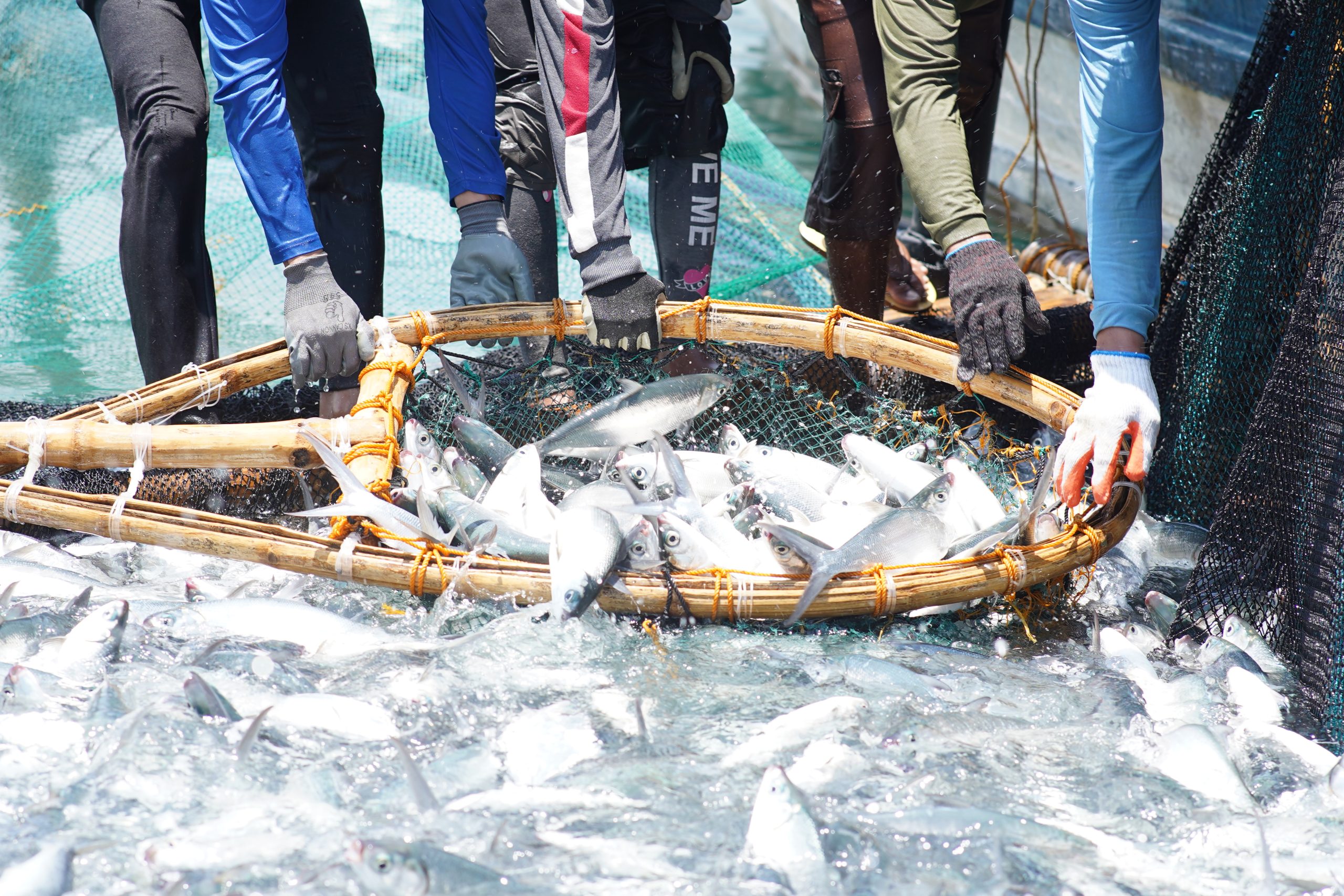
Global aquaculture production of aquatic animals surpassed 100 million tonnes for the first time in 2024, according to the Food and Agriculture Organization’s latest State of World Fisheries and Aquaculture report. Asia remains the world’s aquaculture powerhouse, accounting for 91.4% of global aquaculture production in the latest regional production data.
As demand for aquatic protein continues to grow, building resilience has become as important as increasing production. Across the industry, producers are rethinking how they manage health, nutrition, and farm performance—not simply to respond to emerging challenges, but to anticipate them.
From reactive to proactive health management

As the aquaculture industry moves beyond traditional production-focused approaches, producers are adopting more holistic strategies that improve resilience, productivity, and sustainability across the entire farming system.
Operating across eight Asian markets, food and agribusiness company Aboitiz Foods has observed this shift as customers increasingly seek integrated solutions that help them adapt to increasingly interconnected challenges while building long-term resilience.
For Dr. Rajeev Jha, Aboitiz Foods’ Aqua Farm Solution Lead, these emerging realities reflect a broader change taking place across the industry.
He said, “I would describe the industry as undergoing a transformation from traditional volume-driven production to a more technology-enabled, sustainability-focused, and efficiency-driven sector.”
One example of this shift is the industry’s approach to disease management, with producers increasingly prioritizing prevention over treatment.
“The industry’s approach to disease management has evolved significantly over the past two decades, shifting from a reactive treatment-based model to a proactive prevention-based strategy. Today’s focus is on Integrated Health Management, in which disease prevention begins long before pathogens are detected,” said Dr. Jha.
According to Dr. Jha, bringing together nutrition, biosecurity, water quality, animal health, and farm management helps improve resilience, optimize production, and reduce biological and environmental risks. This holistic approach enables producers to strengthen animal health before disease occurs, supporting more consistent performance while advancing the industry’s long-term sustainability.
Responding to a changing industry
Across the aquaculture sector, companies are expanding their capabilities to provide more integrated support.
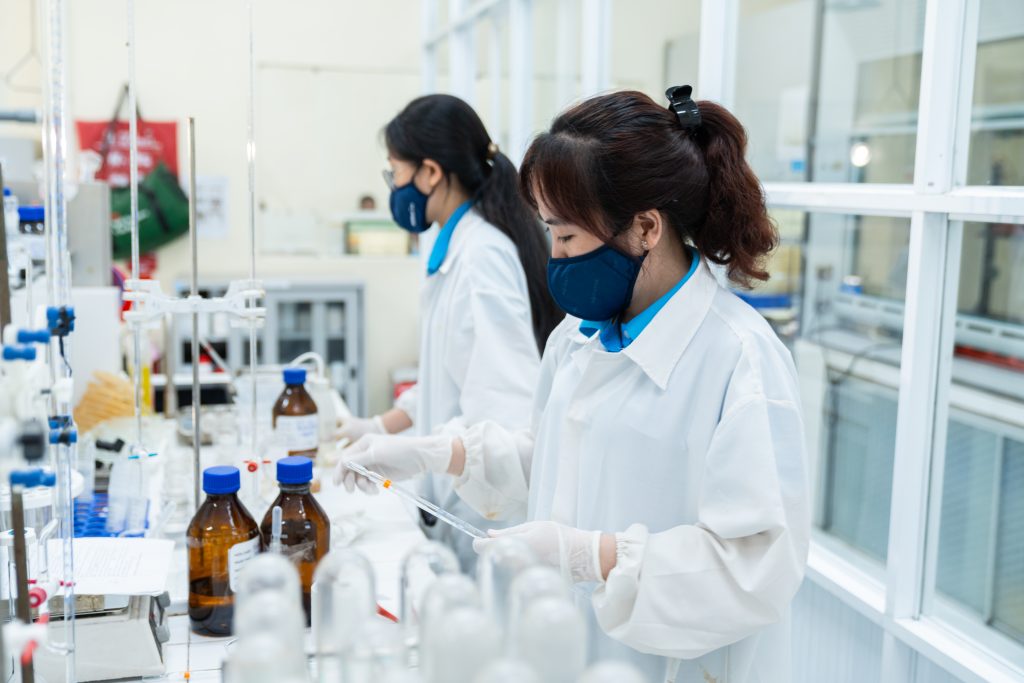
Guided by its purpose of sustainably feeding Asia’s growth from mill to meal, Aboitiz Foods continues to strengthen its technical expertise to translate scientific insights into practical solutions. The company recently acquired an aquaculture research and development facility located at the Singapore Food Agency’s Marine Aquaculture Centre on St. John’s Island. The facility enables controlled research and performance validation, helping accelerate the development of evidence-based nutrition solutions tailored to diverse farming conditions across Asia.
According to Dr. Jha, these investments reflect the company’s continued evolution in response to the changing needs of the aquaculture industry.
“We continue to evolve beyond being a feed supplier. As an integrated food and agribusiness company, we strive to be a trusted aquaculture solutions partner that helps customers improve productivity, profitability, and sustainability throughout the entire production cycle.”
These industry priorities will take center stage at The Aquaculture Roundtable Series 2026 in Bali, Indonesia, where industry leaders will discuss how innovation, nutrition, and collaboration can shape the future of aquaculture.
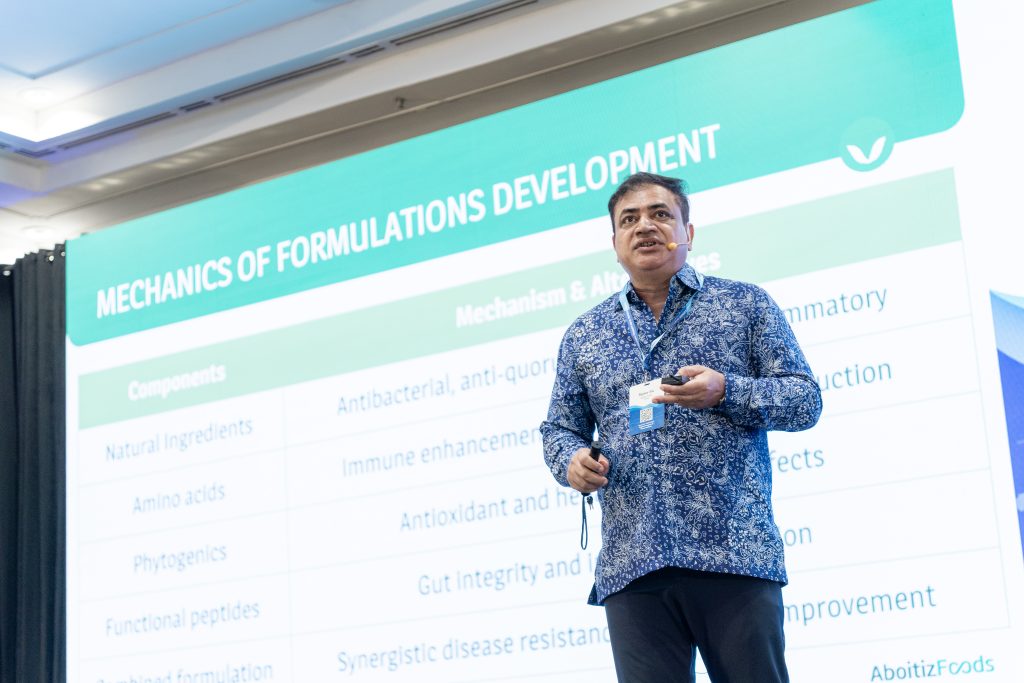
On August 20, Dr. Jha will share his perspective on moving from reactive to proactive health management. This approach reflects a broader focus on science-based innovation and integrated farm solutions.
As the aquaculture industry continues to evolve, success will increasingly depend on collaboration among producers, researchers, nutrition experts, and technology providers. Through continued investments in research, innovation, and integrated farm solutions, Aboitiz Foods aims to contribute practical, science-based solutions that help build a more resilient and sustainable aquaculture sector.
FAQs:
- How is the Asian aquaculture industry currently evolving?
The industry is transitioning from traditional, volume-driven production to a technology-enabled, sustainability-focused, and efficiency-driven sector. Asia remains the global powerhouse for aquaculture, generating 91.4% of global aquaculture production according to the Food and Agriculture Organization’s latest State of World Fisheries and Aquaculture report.
- What is Integrated Health Management, and why is it important?
Integrated Health Management shifts disease control from reactive treatment to proactive prevention. By combining nutrition, biosecurity, water quality, animal health, and farm management, producers can strengthen health and reduce biological and environmental risks before disease occurs.
- How does Aboitiz Foods support the regional aquaculture industry?
Operating across eight Asian markets, Aboitiz Foods is evolving beyond traditional feed supply to serve as an integrated aquaculture solutions partner. The company aims to support producers across the entire production cycle to boost productivity, profitability, and sustainability. The recent acquisition of an R&D facility in Singapore strengthens the company’s capability to create evidence-based nutrition solutions tailored to diverse farming conditions across Asia.