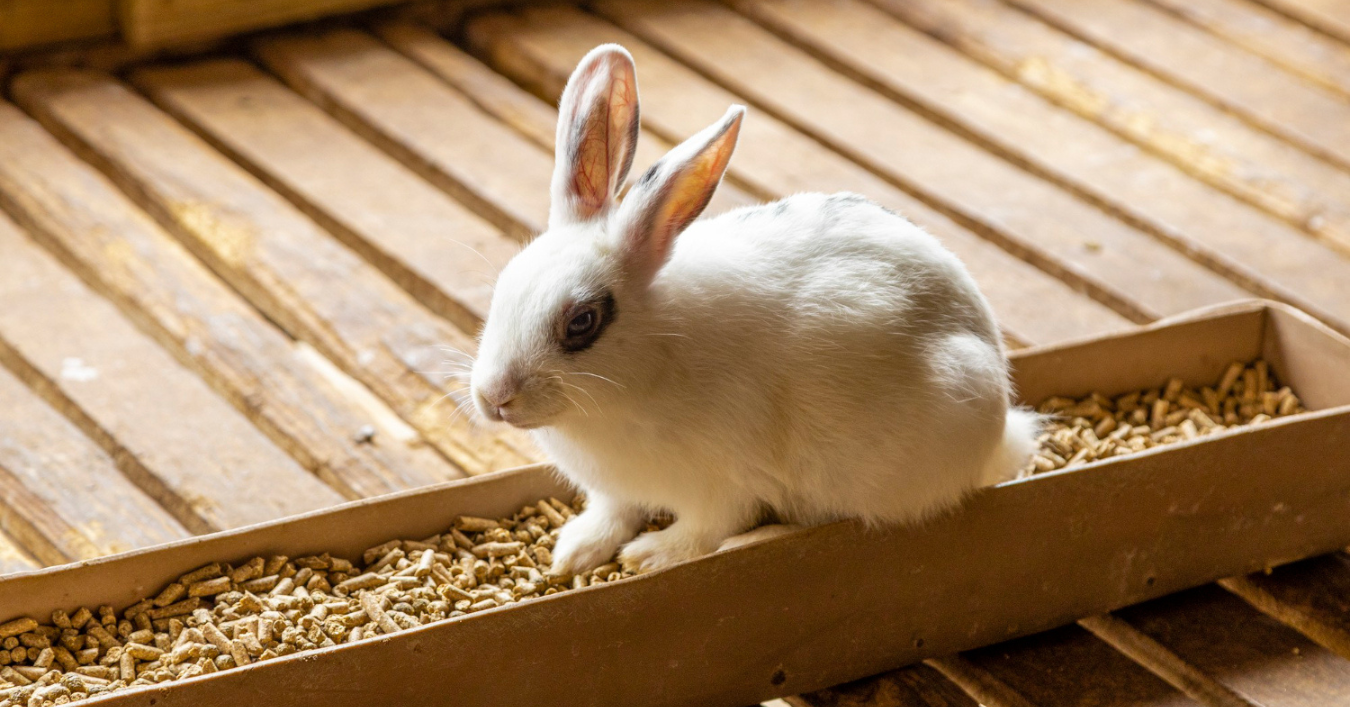
Are you considering starting a rabbit farm in the Philippines? Your course is correct! Cuniculture, another name for rabbit farming, is a developing sector of the economy with several benefits. This article will examine the health advantages of rabbit meat, examine its growing appeal in the Philippines, provide advice on how to establish your own rabbit farm, and provide crucial pointers for keeping contented and fruitful rabbits.
Đọc thêm tại Pilmico.com
Frequently Asked Questions
Why is a business plan essential before starting a rabbit farming venture?
Rabbit farming involves capital outlay, operational costs, and market-dependent revenue – variables that can derail an unprepared operation. A business plan clarifies production goals, budget requirements, break-even timelines, and marketing strategy before money is spent. It also identifies accessible sales channels such as local markets, restaurants, and online platforms. Farmers who skip this step often discover misalignments between production capacity and actual market demand only after the investment has been made.
What nutritional advantages make rabbit meat a compelling protein choice for health-conscious consumers?
Rabbit meat is exceptionally lean, containing less fat and cholesterol than conventional meats like beef and pork, while delivering complete protein with all essential amino acids. It is also rich in B vitamins, iron, and phosphorus. This combination of low fat content and high nutritional density makes it well-suited for athletes, fitness enthusiasts, and those managing cardiovascular risk factors who want a clean protein source.
What economic factors make rabbit farming particularly attractive for Filipino farmers?
Rabbit farming requires a relatively modest initial capital investment compared to cattle or hog operations, lowering the barrier to entry for smallholder and first-time farmers. Rabbits also reproduce rapidly, which accelerates the return timeline on initial stock. Growing consumer interest in lean alternative proteins – partly driven by disease outbreaks affecting conventional livestock – creates a favorable demand environment for both small-scale and commercial rabbit ventures.
Which rabbit breeds are recommended for Philippine conditions, and what criteria should guide breed selection?
Three breeds are commonly recommended: New Zealand White, Californian, and Flemish Giant. Selection should consider growth rate, litter size, meat quality, and local climate suitability. Breeds that perform well in cooler environments may not thrive under Philippine heat and humidity, making adaptability to local conditions an important practical factor alongside pure production metrics.
What are the five foundational steps for establishing a rabbit farm?
A sustainable rabbit farm is built on five sequential steps: thorough research and education on rabbit husbandry before investing; deliberate breed selection matched to climate and market demand; appropriate housing construction with adequate space, ventilation, and sanitation; a structured nutritional program built around quality pellets, fresh hay, and clean water; and a systematic breeding program with regular health monitoring and vaccination schedules.