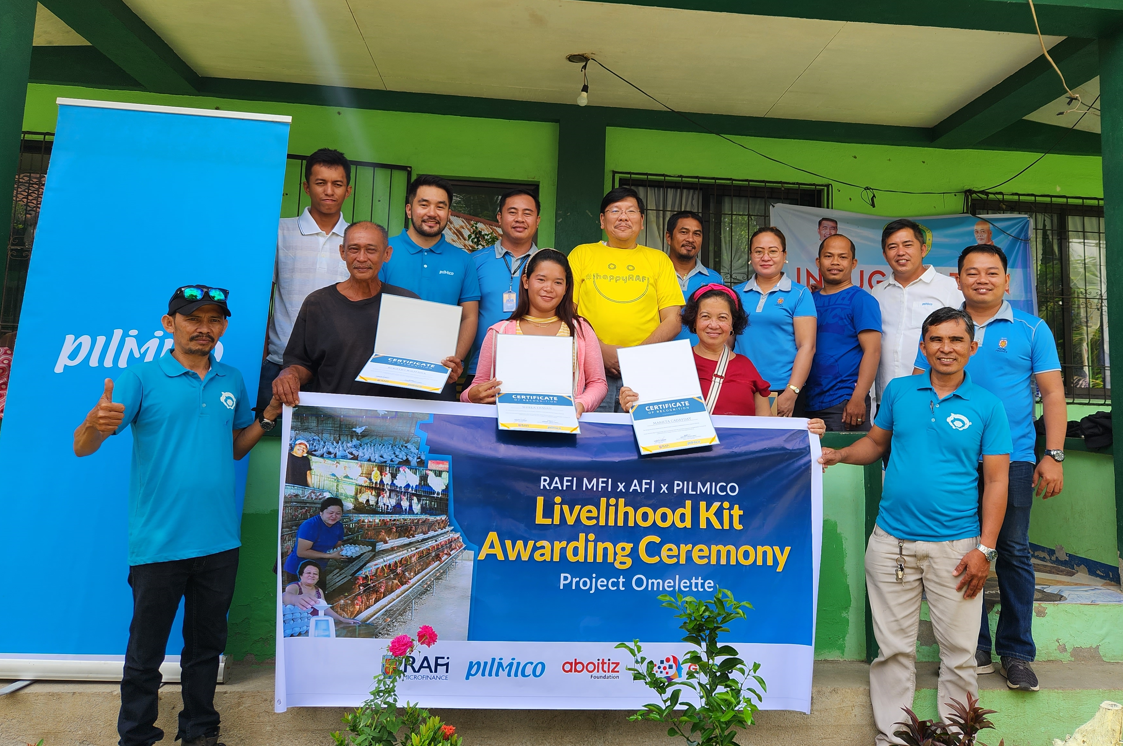
Vào năm thứ 2 của chương trình sinh kế bền vững “Padayon sa Pagbusay (Chèo không ngừng)”, Ramon Aboitiz Foundation, Inc. – Microfinance (RAFI-MFI), Aboitiz Foundation, Inc. (AFI) và Pilmico Foods Corporation (Pilmico) đã trao tặng bộ dụng cụ sinh kế máy đánh trứng cho một số gia đình ở Samar, Leyte, Negros Oriental và Misamis Oriental.
Ngoài máy đánh trứng, họ sẽ được hỗ trợ về kỹ thuật và kiến thức để quản lý doanh nghiệp của mình tốt hơn.
Đối với những người hảo tâm, phục hồi là bước quan trọng nhất để cộng đồng và gia đình có thể phục hồi và trở nên kiên cường hơn. Đã hơn một năm kể từ khi cơn bão Odette tàn phá các tỉnh trong khu vực Visayas, nhưng tác động của nó vẫn còn, đặc biệt là đối với những cư dân có sinh kế bị ảnh hưởng nghiêm trọng.
Chủ tịch kiêm Tổng giám đốc điều hành AFI Maribeth Marasigan đã nhấn mạnh tầm quan trọng của việc trao quyền cho các cộng đồng đang phục hồi. Bà cho biết: “Chúng tôi tại Quỹ Aboitiz cố gắng hết sức để giúp đỡ các cộng đồng nơi chúng tôi hoạt động. Chúng tôi muốn thấy các cộng đồng vươn lên và thành công. Mục tiêu của chúng tôi là giúp họ phục hồi và trở thành những cộng đồng kiên cường hơn. Chúng tôi xin cảm ơn các đối tác địa phương, các đơn vị kinh doanh Aboitiz, những người đã cùng nhau mở rộng sự hỗ trợ có giá trị”.
Công ty con kinh doanh nông nghiệp và thực phẩm tích hợp của Tập đoàn luôn sẵn sàng hỗ trợ trên toàn quốc.
Greg Canoy, Giám sát viên CSR, Pilmico Foods Corporation cho biết: “Tại Pilmico, chúng tôi không chỉ hỗ trợ nông dân, chúng tôi còn hướng đến mục tiêu nâng cao toàn bộ ngành nông nghiệp. Với sự giúp đỡ của Quỹ Aboitiz, cam kết trao quyền cho nông dân trên toàn quốc của chúng tôi còn vượt ra ngoài dự án này. Đây là minh chứng cho sự tận tụy không ngừng nghỉ của chúng tôi trong việc thúc đẩy doanh nghiệp và cộng đồng”.
Năm nay, họ đã mở rộng thêm nhiều bộ dụng cụ sinh kế cho một số gia đình ở Samar, Leyte, Negros Oriental và Misamis Oriental ngoài những người thụ hưởng năm ngoái ở Cebu và Bohol. Mỗi bộ dụng cụ bao gồm một máy đẻ trứng, 144 con gà mái đẻ sẵn, thức ăn Pilmico, cân và các sản phẩm chăm sóc sức khỏe vật nuôi.
"Tôi xin cảm ơn Pilmico, AFI và RAFI-MFI đã chọn tôi là một trong những người được hưởng lợi từ dự án này. Đây là một cơ hội lớn để giúp đỡ chúng tôi. Xin chân thành cảm tạ Chúa vì ân phước này,” bà Marietta Cadayday, một trong những người được hưởng lợi, cho biết.
(I thank Pilmico, AFI, and RAFI-MFI for choosing me as one of the beneficiaries for this project (Padayon sa Pagbusay). This huge opportunity will be of great help to us. Thank God for this blessing.)
“Padayon sa Pagbusay” is part of RAFI-MFI’s livelihood program which aims to empower families by providing them with sustainable livelihood opportunities.
“This is the start of our rebuilding which includes rebuilding our businesses and rebuilding our lives, not just ours but our families and communities where we belong. These livelihood kits which I am thankful for would not be possible without our partners. We have our grantors who unselfishly provided us with the help in Leyte, Negros Oriental and Misamis Oriental,” said Iris Dorado, Vice President for Business Development, Ramon Aboitiz Foundation. Inc. – Microfinance.
Frequently Asked Questions
How does Pilmico’s role in this program reflect its broader commitment to the Philippine agriculture sector?
Pilmico’s participation goes beyond distributing feeds and kits – the company also provides ongoing technical assistance and aims to elevate agriculture as a viable economic path for recovering communities. According to Pilmico’s CSR Supervisor, the program reflects a commitment to empowering farmers nationwide and advancing both community welfare and the broader agricultural industry.
What is the ‘Padayon sa Pagbusay’ program and which organizations run it?
Padayon sa Pagbusay, which translates to Paddle Unceasingly, is a sustainable livelihood program run jointly by Ramon Aboitiz Foundation, Inc. – Microfinance (RAFI-MFI), Aboitiz Foundation, Inc. (AFI), and Pilmico Foods Corporation. Now in its second year, the program provides livelihood kits and business support to families whose incomes were devastated by Typhoon Odette.
Which provinces were reached in the second year of the program, and how does this expand on the first year?
The second year extended livelihood kits to families in Samar, Leyte, Negros Oriental, and Misamis Oriental, building on Year 1 coverage in Cebu and Bohol. This expansion reflects the program’s goal of progressively reaching more typhoon-affected communities across the Visayas and Mindanao regions.
What does each livelihood kit contain, and how is it designed to generate income for beneficiaries?
Each kit includes an egg machine, 144 ready-to-lay hens, Pilmico feeds, a weighing scale, and animal health products. Together, these components provide beneficiary families with everything needed to begin egg production as a micro-enterprise. Pilmico also provides technical assistance and knowledge transfer to help recipients maximize profitability.
How long has it been since Typhoon Odette struck, and why is continued support still necessary?
At the time this article was published, it had been over a year since Typhoon Odette devastated provinces in the Visayas region. While recovery has begun, many affected families still rely on external support to rebuild their livelihoods. The sustained impact of the storm on income generation makes multi-year programs like Padayon sa Pagbusay essential for genuine and lasting community recovery.