Sustainability from mill to meal. Aboitiz Foods empowers its workforce and communities to be active partners in sustainability, fostering a culture of environmental stewardship.
On March 30, marking International Day of Zero Waste, Aboitiz Foods reaffirmed its commitment to sustainability and environmental stewardship by adapting industrial-scale systems to effectively embed circularity into its operations.
In the Philippines, Aboitiz Foods, through its subsidiary Pilmico Foods Corporation (Pilmico), had diverted 86 percent of the waste generated across its operations away from landfills by the end of 2025. The company has recycled, treated, or repurposed more than 2,000 tons of waste, a 5-percent improvement from the previous year. The waste stream includes plastics, recyclables, hazardous materials, and biodegradables, reflecting a comprehensive approach to waste management.
From sourcing to consumption, Pilmico has aligned its operations to keep this process as close to zero waste as possible, embedding waste-reduction and recovery mechanisms across feed milling, flour production, and food manufacturing.
Its performance under the Philippines’ Extended Producer Responsibility Act reflects this shift. In 2024, Pilmico exceeded mandated plastic recovery targets by more than 300 percent, recovering 326 percent of its rigid plastic footprint and 60 percent of its flexible plastic footprint, well above the required threshold. The results indicate that its recovery systems have moved beyond compliance toward a more integrated model of material management.
Packaging reform has also become a key focus. Pilmico has begun transitioning to lighter-weight packaging for its feed products, reducing plastic use by up to 25 percent per sack. The company is also encouraging large-scale partners, including farms and food service providers, to adopt bulk procurement systems, supported by direct-to-farm feed delivery and bulk flour shipments. These measures reduce reliance on single-use packaging while improving supply chain efficiency.
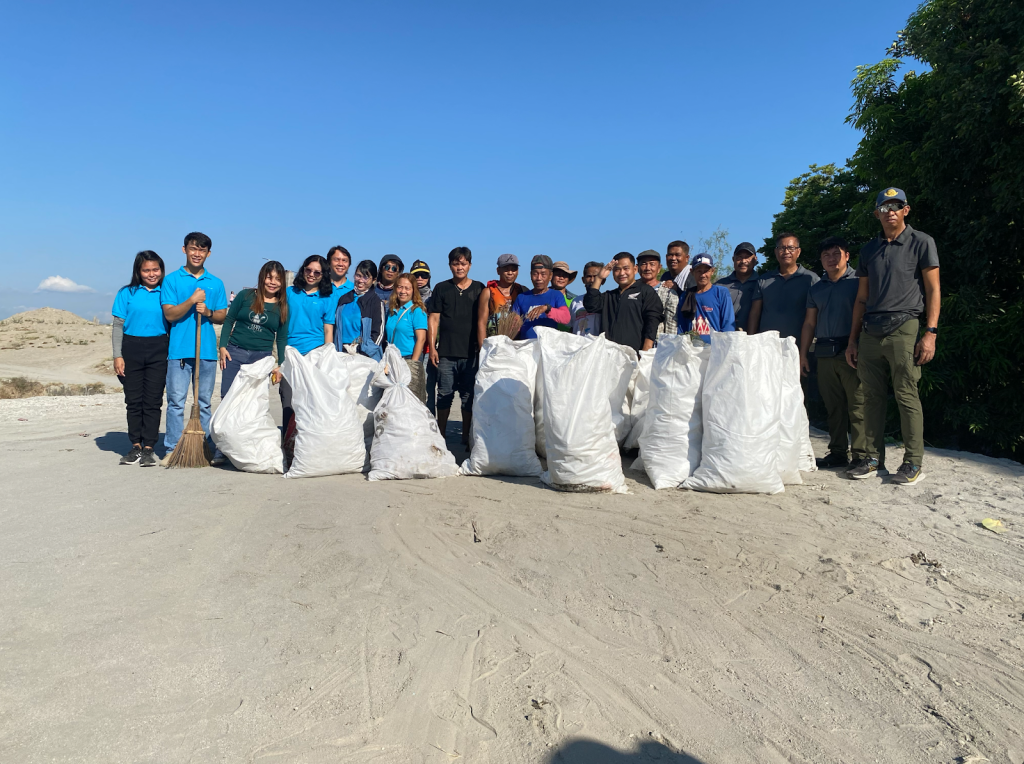
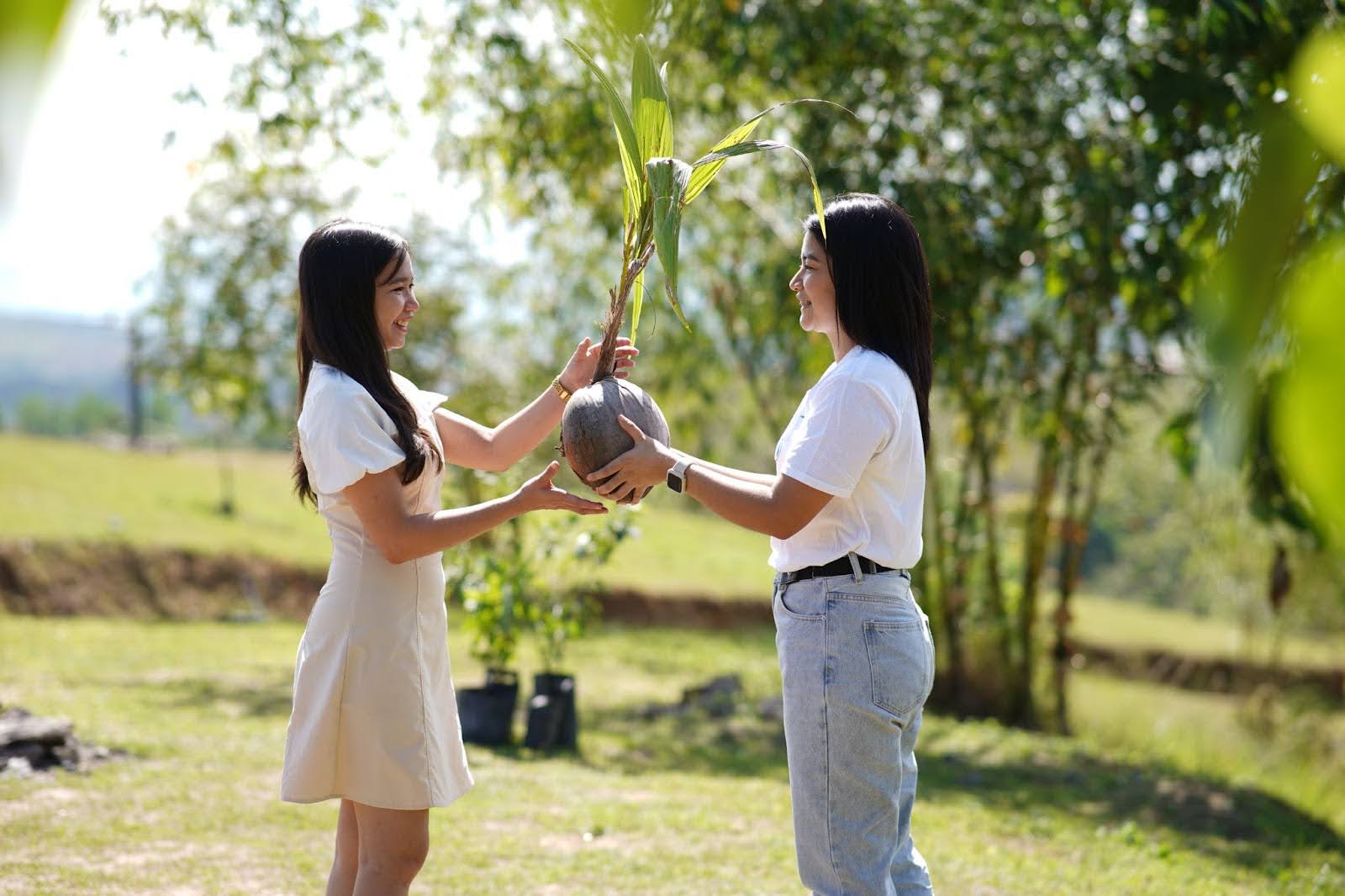
Beyond its facilities, the company has extended its efforts to host communities. In 2025, initiatives such as Kalinisan engaged barangay (villages) in Mariveles, Bataan; Meycauayan, Bulacan; Concepcion, Tarlac; and Iligan City in waste recovery and cleanup activities. Around 60 volunteers, composed of employees and contractors, participated in coastal cleanups, tree planting, and environmental restoration projects, collecting and segregating about half a ton of waste.
As the convergence of global advocacy and localized action becomes more apparent, Aboitiz Foods’ progress toward zero waste is incremental and systems-driven, anchored on measurable outcomes and continuous improvement. The observance of International Day of Zero Waste serves not only as a reminder of what is at stake but as a marker of how far industries and communities have begun to move toward redefining waste itself.
Read the full feature article at The Manila Times.
FAQs:
- In the Philippines, how much waste has Aboitiz Foods diverted from landfill in 2025?
By the end of 2025, Aboitiz Foods, through its subsidiary Pilmico Foods Corporation (Pilmico), had diverted 86 percent of the waste generated across its operations away from landfills. Of nearly 2,500 tons of waste, more than 2,000 tons have been recycled, treated or repurposed, a 5-percent improvement from the previous year.
- How has Aboitiz Foods responded to the Philippines’ Extended Producer Responsibility (EPR) Act of 2022?
The company has moved beyond basic compliance, significantly exceeding mandated plastic recovery targets. In 2024, it recovered 326% of their rigid plastic footprint and over 60% of its flexible plastics, demonstrating an integrated model of material management rather than just voluntary action.
- What reforms does Aboitiz Foods implement to reduce its environmental footprint?
The company focused on packaging reform and supply chain efficiency. This includes transitioning to lighter-weight packaging for feed products (reducing plastic use by 25% per sack) and encouraging large-scale partners to adopt bulk procurement systems, such as direct-to-farm feed delivery and bulk flour shipments, to eliminate single-use packaging.
- How does Aboitiz Foods extend its “Zero Waste” mission beyond its industrial facilities?
Through community-based initiatives like “Kalinisan,” the company engages host barangays in areas such as Mariveles, Meycauayan, Concepcion, and Iligan City. In 2025, employee and contractor volunteers participated in coastal cleanups, tree planting, and restoration projects, collecting half a ton of waste to embed responsible practices at the grassroots level.