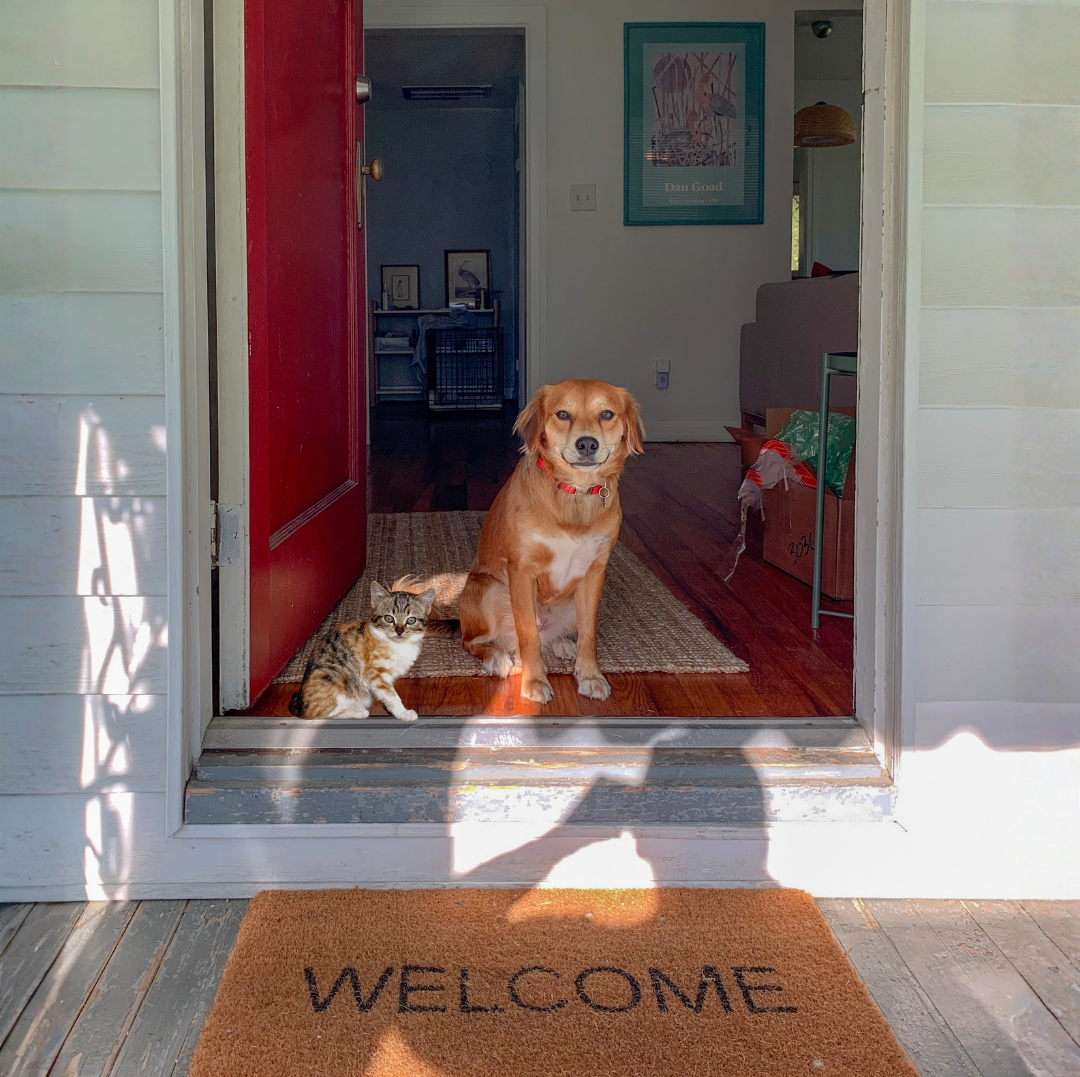
Help your dog or cat overcome separation anxiety. Discover gentle, proven ways to nurture your bond and ease their stress while you are away from home.
Leaving your home shouldn’t be a regular source of stress for you or your companions. Yet for many pet parents, stepping out the front door is met with guilt and worry.
Separation anxiety is a complex emotional response, and it is a common misconception that it only affects dogs. Cats, despite their reputation for fierce independence, form deep attachments to their families and can feel your absence just as much. While this anxiety is a testament to the close bond you share, it doesn’t have to be a source of distress. Because every pet is unique, they express their anxiety in different ways. Understanding their specific behavior is the first thoughtful step toward helping them feel secure when they are home alone.
Here is a closer look at the different ways pets express separation anxiety and how you can gently manage each one.
- The Vocalizer
For these pets, your departure prompts them to call out for you.
How it looks in dogs: Persistent barking, whining, or howling that begins shortly after you leave.
How it looks in cats: Excessive meowing, yowling, or pacing near the door or windows.
The Solution: Make arrivals and departures as low-key as possible. Avoid making a big fuss when you leave or return. This approach signals to your pet that coming and going is a normal part of the daily routine.
- The Destructor
Anxiety can cause a surge of nervous energy, leading pets to find physical outlets for their stress.
How it looks in dogs: Chewing on furniture, digging at carpets, or scratching frantically at exit points like doors and windows.
How it looks in cats: Destructive scratching on furniture or knocking items off shelves and tables in a restless manner.
The Solution: Redirect their energy through environmental enrichment. Ensure they get plenty of physical exercise and playtime before you head out, helping them burn off excess energy so they are more inclined to rest while you are away.
- The Rule-Breaker
Sometimes, the distress of being alone disrupts a pet’s normal training and instincts.
How it looks in dogs: Urinating or defecating indoors, even if they are fully house-trained.
How it looks in cats: Inappropriate elimination outside the litter box, often on the owner’s bed or clothing.
The Solution: Always consult a veterinarian to rule out underlying medical conditions first. If it is behavioral, focus on building their confidence through gradual desensitization. Practice picking up your keys without leaving, and slowly build up to stepping outside for just a few seconds at a time, gradually increasing the duration.
- The Restless
These pets anticipate your departure and become either overly clingy or completely withdrawn before you even step out the door.
How it looks in dogs: Pacing, panting, shadowing you and refusing to leave your side, or hiding under furniture as soon as they see your shoes or bag.
How it looks in cats: Shadowing your every move, excessive grooming, or retreating to a dark, hard-to-reach corner as you prepare to leave.
The Solution: Provide them with a tangible sense of your presence. Leave an item of clothing that smells like you behind, such as a worn t-shirt, in their favorite resting spot. This familiar scent provides continuous, grounding comfort while you continue practicing gradual desensitization.
The Power of a Calm Safety Cue
While it is important to avoid long, emotional goodbyes that can further heighten a pet’s stress, offering a consistent safety cue can be remarkably reassuring. Saying a simple, even-toned phrase like “I’ll see you tonight,” or “Be right back,” just as you step out, establishes a comforting, predictable pattern. While they may not grasp the exact vocabulary, they deeply understand your calm, measured tone. Over time, they associate that specific phrase with your confident departure and your inevitable, safe return, reinforcing the unbreakable trust between you.
The Expert Approach: Counterconditioning and the Power of Rewards
For pets struggling with being alone, one of the most effective, science-backed treatments is counterconditioning. This process changes a pet’s fearful or anxious reaction into a pleasant, relaxed one by associating the disliked situation—being home alone—with something they absolutely love.
Over time, your companion learns that your departure actually predicts good things. Every time you leave the house, offer your pet a puzzle toy stuffed with irresistible treats that will take them at least 20 to 30 minutes to finish. For example, give your dog a toy or provide your cat with a challenging treat-dispensing puzzle stuffed with a reward they can look forward to.
To keep your pets happily occupied, try filling their puzzle toys with Maxime‘s tasty kibbles, perhaps hiding a few savory Maxime dog treats deep inside as a special “jackpot.” The authentic taste and aroma of real meat make these rewards incredibly motivating. When they are eagerly focused on such a delicious challenge, it naturally shifts their attention away from the door, easing your departure worry.
Managing separation anxiety takes time, patience, and a measured approach. By understanding their unique needs, utilizing tools like counterconditioning, and rewarding them with a positive experience, you can help your best friend feel safe, secure, and relaxed—even when you are not in the room.
FAQs:
- What does separation anxiety look like in pets?
Because every pet is unique, they express their worry and stress in different ways. We generally see this manifest in four common styles: The Vocalizer (excessive barking, meowing, or whining), The Destructor (chewing furniture or scratching at doors), The Rule-Breaker (having sudden house-training accidents), and The Restless (pacing, clinging to you, or hiding before you even grab your keys). Recognizing these specific signs is the first step in understanding their needs and helping them feel secure.
- My pet constantly barks or meows when I leave. How can I calm them down?
Pets that vocalize their distress need a calming environment. The best solution is to make your arrivals and departures as low-key as possible to show them that coming and going is a normal, non-threatening routine.
- What is counterconditioning, and how does it ease separation anxiety?
Counterconditioning is a science-backed method that changes a pet’s anxious reaction into a relaxed one by associating being alone with something they absolutely love. You can practice this by giving them a durable puzzle toy stuffed with an irresistible reward right before you leave.
- What is the best way to stuff a puzzle toy to keep my pet distracted?
The secret to a puzzle toy is making sure the reward inside is highly motivating. Try filling the toy with Maxime’s tasty kibbles, and hide a few savory Maxime dog treats deep inside as a special “jackpot.” The authentic taste and irresistible aroma of real meat will keep them eagerly engaged, naturally redirecting their attention away from the door and easing their worry.
- Where can I buy Maxime pet food?
Maxime products are available through our official stores on Lazada, Shopee, and TikTok, as well as select pet stores nationwide.