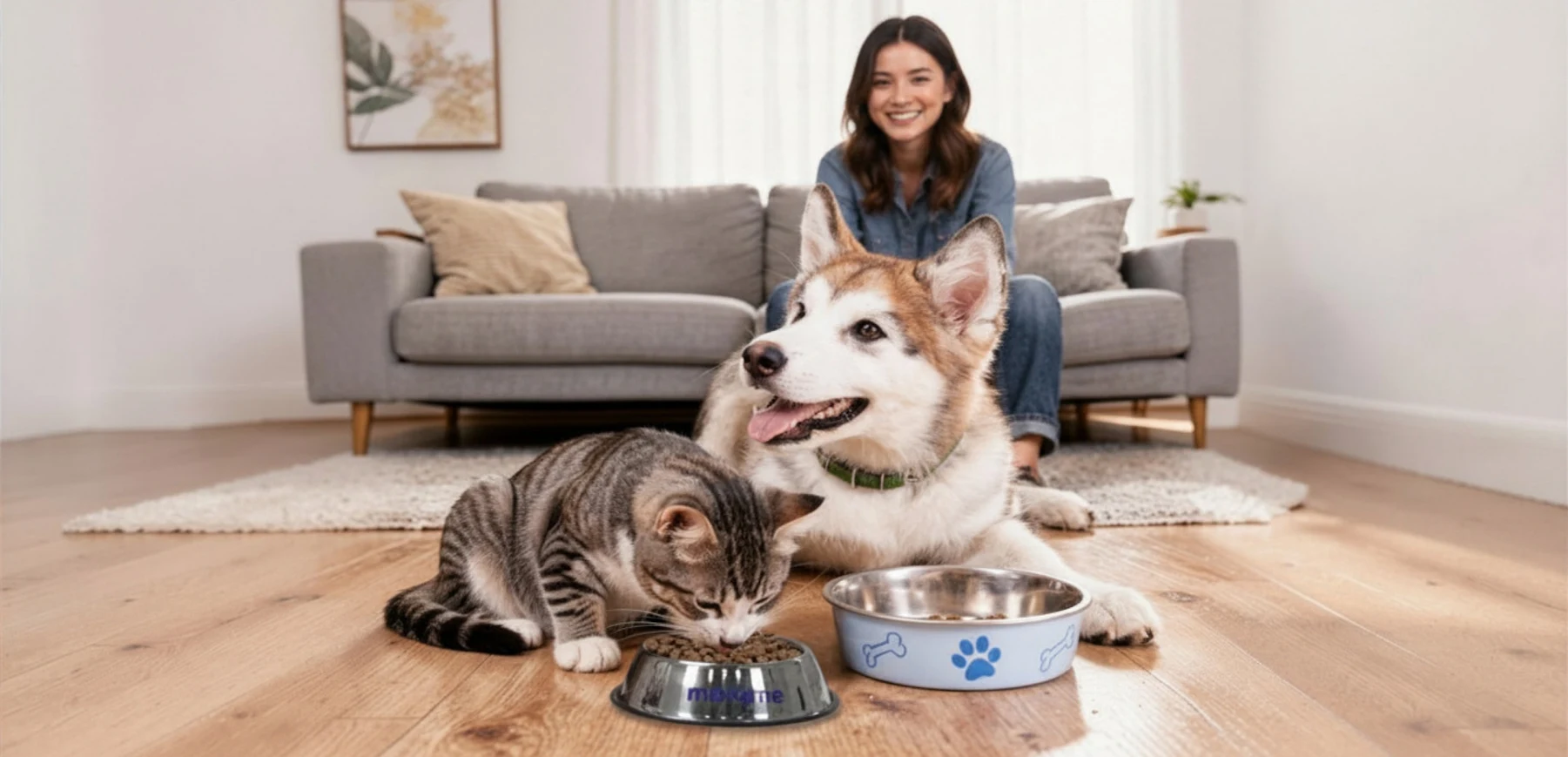
For many pet owners, mealtime can bring a sense of uncertainty when a companion leaves their bowl half-empty. It is natural to wonder what it will take to encourage them to eat–whether that means adding a topper, preparing home-cooked meats, or reconsidering your choice of pet food entirely.
This concern is completely valid. A disruption in eating habits can occasionally lead to digestive discomfort and, more importantly, raises questions about whether your pet is receiving the complete daily nutrition required for their long-term health.
A half-empty bowl is a common occurrence and rarely a cause for immediate alarm. The thoughtful approach begins with observing their overall well-being and ruling out underlying medical or environmental factors, such as physical discomfort, fatigue, or stress. If your pet is healthy but simply refusing to finish their meals, a few measured adjustments can help gracefully restore their appetite.
Here are proven ways to ensure they’re enjoying every bite:
- Establish a Consistent Feeding Routine
- Set Specific Meal Times: Offer food at the same time every morning and evening. This consistency helps regulate their digestive system and encourages a natural appetite to build before meals.
- Practice the 15-Minute Rule: Place the food bowl down and step away. If the food remains unfinished after 15 to 20 minutes, quietly remove the bowl and withhold offering more food until the next scheduled mealtime. This gently teaches them that food is provided at specific intervals.
- Reassess Dietary Needs and Portions
- Recalculate Portions: Carefully review your pet’s caloric needs based on their age, weight, and activity level. It is quite possible that a half-finished bowl is actually their ideal portion size, and they are simply eating until comfortably full.
- Limit Treats: Treats should make up no more than 10% of a pet’s daily caloric intake. If they are snacking throughout the day, their interest in their primary meal will naturally decrease.
- Review the Quality and Composition of Their Food
Pets are highly receptive to scent and natural flavors. If their current kibble relies heavily on artificial fillers rather than real ingredients, their biological drive to eat may wane. Transitioning to a carefully crafted, fresh kibble can be a simple, highly effective solution.
For instance, Maxime is carefully formulated with real meat and fish ingredients. This approach provides a rich, authentic aroma and flavor profile that honors a dog or cat’s natural cravings. Providing a highly palatable diet made with quality ingredients often eliminates the need to constantly coax them with wet food or meal-toppers.
- Encourage Physical Activity Prior to Meals
Exercise First: Take your dog for a brisk walk or engage your cat in a focused play session right before mealtime. Expending physical energy naturally stimulates the metabolism and triggers a healthy hunger.
The Bottom Line
Providing proper nutrition should be a rewarding experience, not a daily challenge. By approaching their feeding habits thoughtfully—ensuring their health, establishing a calm routine, and offering a naturally palatable kibble made with real meat like Maxime—you can help ensure every meal is both nourishing and enjoyed.
When to Consult a Veterinarian: If your pet skips a single meal but otherwise behaves normally, there is usually no need for concern. However, we advise contacting your veterinarian if the loss of appetite persists for more than 24 hours, or if you observe accompanying symptoms such as lethargy, vomiting, diarrhea, excessive thirst, or sudden weight loss.
Frequently Asked Questions
1: What is this article about?
This article addresses a common pet owner concern: why dogs and cats leave their food bowls unfinished. It explores practical, evidence-informed strategies to improve mealtime habits, covering feeding schedules, portion reassessment, food quality, and pre-meal exercise. It also highlights when pet behavior warrants a veterinary visit, making it a well-rounded guide for owners dealing with picky or inconsistent eaters.
2: Why does my pet leave food in their bowl?
A pet’s appetite can fluctuate naturally due to stress, environmental changes, varying activity levels, or simple metabolic shifts. A half-empty bowl is rarely an immediate cause for alarm if the pet is otherwise healthy and active. However, if the behavior persists beyond 24 hours or is accompanied by lethargy or vomiting, a veterinary consultation is strongly advised.
3: What is the 15-minute feeding rule and why does it matter?
The 15-minute rule involves placing food down, stepping away, and removing the bowl if it remains unfinished after 15 to 20 minutes. Food is then withheld until the next scheduled mealtime. This approach helps regulate a pet’s appetite, discourages grazing, and establishes a reliable eating routine — reducing the likelihood of picky behavior over time.
4: How does food quality affect a pet’s willingness to eat?
Pets have a strong biological response to scent and natural flavors. Kibble formulated with real meat and fish provides a richer aroma and flavor profile compared to food relying on artificial fillers. Choosing a high-quality, naturally palatable diet can restore appetite without needing wet food toppers or home-cooked additions as constant supplements.
5: Can exercise help improve a pet’s appetite?
Yes. Physical activity before meals — such as a brisk walk for dogs or an interactive play session for cats — stimulates metabolism and naturally triggers hunger. A sedentary lifestyle can slow digestion and reduce the desire to eat, so building movement into a pre-meal routine is a simple and effective way to encourage consistent eating.