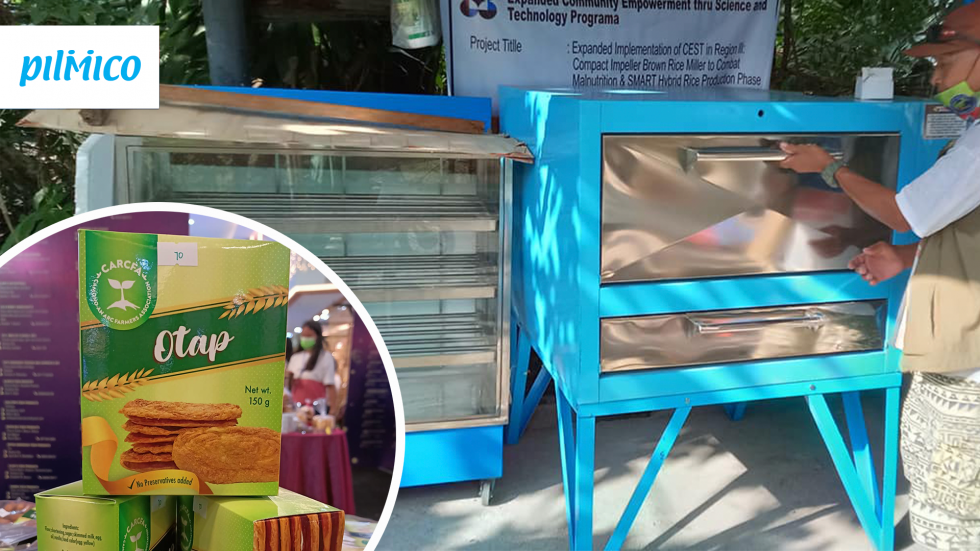
Những gì bắt đầu như một trang trại gia cầm cho Hiệp hội Nông dân Cộng đồng Cải cách Nông nghiệp Camono-an (CARCFA) đã trở thành một sinh kế thậm chí còn lớn hơn và bền vững hơn đối với họ. Trong một cuộc phỏng vấn gần đây với MCO News TV, một kênh tin tức địa phương ở Đông Visayas, họ đã chia sẻ hành trình kinh doanh bánh mì của mình.
Hiệp hội của họ bắt đầu với nghề chăn nuôi gia cầm (đẻ trứng) và sản xuất rau là nghề chính. Theo khuyến nghị của Bộ Cải cách Nông nghiệp (DAR), họ đã trở thành người nhận Bộ dụng cụ làm bánh từ Pilmico Foods Corporation (Pilmico) và Aboitiz Foundation, Inc. (AFI). Bộ dụng cụ bao gồm vật tư, nguyên liệu và thiết bị mà họ nhận được vào tháng 12 năm 2020.
Theo Ruth Borja, Chủ tịch CARFCA, sau khi được trang bị đầy đủ các công cụ, họ bắt đầu kinh doanh bánh mì ngay lập tức. "Chúng tôi chính thức bắt đầu hoạt động vào tháng 12 năm 2020, ngay sau khi nhận được các thiết bị từ chương trình do PILMICO và DAR phối hợp thực hiện... Trước khi chương trình sinh kế làm bánh mì này được triển khai, hiệp hội của chúng tôi tập trung vào sản xuất rau và chăn nuôi gia cầm (chủ yếu là sản xuất trứng)," cô ấy nói.
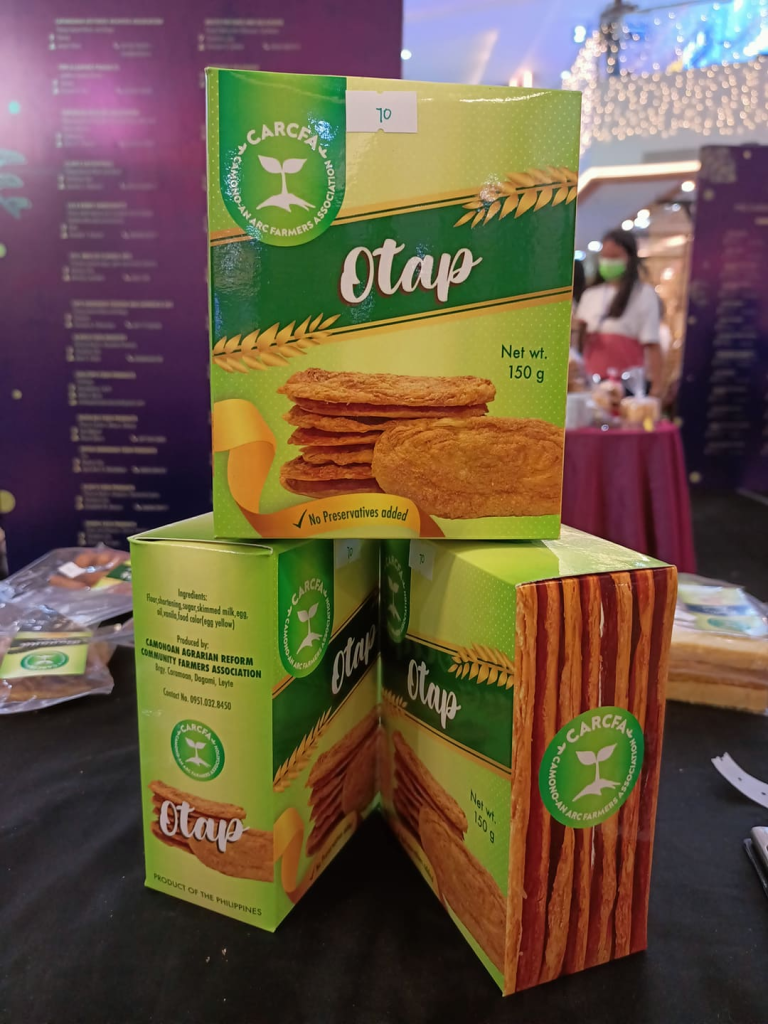
Kể từ đó, họ đã quản lý và duy trì thành công hoạt động kinh doanh của mình với Otap là một trong những sản phẩm bán chạy nhất của họ. Pedro Demiterio, thợ làm bánh chính của tiệm bánh, đã làm Otap trong 40 năm qua tại Bulacan và Cebu. Ông sẵn lòng chia sẻ nhiều năm kinh nghiệm của mình để đảm bảo rằng các sản phẩm của họ được làm ra vừa ngon vừa phải chăng.
"Khi tôi biết hiệp hội sẽ mở tiệm bánh, tôi đã nói rằng tôi sẽ đảm nhận vị trí thợ làm bánh chính (master baker)." Demiterio chia sẻ.
Sau hơn một năm hoạt động, hoạt động kinh doanh bánh mì của hiệp hội đã có thể mang lại thu nhập bổ sung cho các thành viên. Teresita Pigtuan, thành viên của Hiệp hội Nông dân Camono-an ARC, nói rằng mặc dù cô mới bắt đầu bán hàng hóa của họ gần đây nhưng tiệm bánh đã giúp đỡ tài chính cho gia đình họ. "Chỉ mới tháng Một này thôi tôi đã bán hàng được một tháng ở chợ và điều này giúp chúng tôi rất nhiều trong việc chi tiêu sinh hoạt gia đình." cô nói.
Đây chỉ là một trong nhiều nỗ lực của Pilmico khi họ thực hiện sứ mệnh nuôi sống nhân loại. Với tầm nhìn thúc đẩy kinh doanh và cộng đồng, Pilmico kiên định và chủ động trong việc cung cấp các bộ dụng cụ sinh kế cho dù đó là chăn nuôi lợn, chăn nuôi gia cầm hay bộ dụng cụ khởi nghiệp làm bánh.
Frequently Asked Questions
How does the CARCFA story illustrate the value of multi-livelihood strategies for agrarian reform communities?
CARCFA’s trajectory — from a single-livelihood farming association to a multi-stream operation covering poultry, vegetables, and baking — illustrates the risk reduction benefit of diversified income sources for communities with limited capital buffers. When one income stream is disrupted by weather, disease, or market fluctuations, the others can sustain the household. The Pilmico Bakery Livelihood Kit specifically was designed to complement rather than replace existing agricultural livelihoods — adding a non-seasonal, non-weather-dependent production activity that generates income throughout the year regardless of agricultural cycles.
Who is CARCFA and how did they come to receive a bakery livelihood kit?
CARCFA — the Camono-an Agrarian Reform Community Farmers Association — is a farmers association in Eastern Visayas whose primary livelihoods were poultry (egg laying) and vegetable production. Through the recommendation of the Department of Agrarian Reform, CARCFA became a recipient of a Bakery Livelihood Kit from Pilmico Foods Corporation and Aboitiz Foundation, Inc. in December 2020 — expanding their livelihood base with a third income stream that uses completely different skills, equipment, and market channels than their existing agricultural operations.
What did the CARCFA Bakery Livelihood Kit contain and what happened when they received it?
The kit included complete bakery supplies, ingredients, and equipment needed to launch a functioning bakery business. According to CARCFA President Ruth Borja, they began the bakery business immediately upon delivery of the equipment in December 2020 — not after a period of additional planning or delay. This immediate operational start reflects the kit’s design: providing everything needed to begin production without requiring additional capital investment or procurement by the beneficiary.
Who is Pedro Demiterio and what role has he played in CARCFA’s bakery success?
Pedro Demiterio is CARCFA’s master baker — a skilled craftsman who has been making Otap (a popular Filipino biscuit pastry) for over 40 years, with experience from Bulacan and Cebu. When he learned that the association was opening a bakery, he volunteered to serve as the lead baker and take ownership of quality. His 40 years of expertise with what became CARCFA’s best-selling product — Otap — gave the bakery an immediate competitive product from its first day of operation, rather than requiring the usual learning curve.
What have been the measurable livelihood impacts for CARCFA members after more than a year of bakery operations?
CARCFA member Teresita Pigtuan shared that even though she had only recently started selling their baked goods at the local market (talipapa), the bakery income had already become a meaningful contribution to their household finances — specifically helping with regular household expenses. Her testimony is significant because it comes from a member who was new to selling rather than a founding baker — suggesting the bakery’s financial benefits were accessible to multiple members of the association, not just those most centrally involved in production.