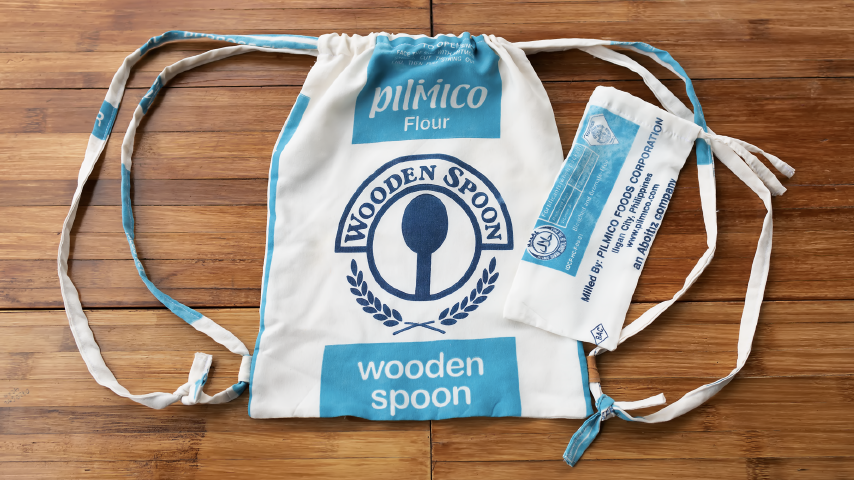
Pilmico Foods Corporation (Pilmico) đã hoạt động trong ngành sản xuất bột mì trong 60 năm. Bên cạnh bột mì chất lượng cao, Pilmico còn nổi tiếng với những bao bột mì nhiều màu sắc được làm bằng katcha, giúp duy trì chất lượng sản phẩm.
Trong nhiều năm qua, Pilmico đã tận dụng những bao tải đã qua sử dụng từ các đại lý và tiệm bánh đối tác của mình vào mục đích có ích hơn khi hợp tác với một số tổ chức phi lợi nhuận và hợp tác xã may để tái chế những bao tải này cho nhiều sáng kiến về trách nhiệm xã hội của doanh nghiệp (CSR).
Gói chăm sóc Kutitap
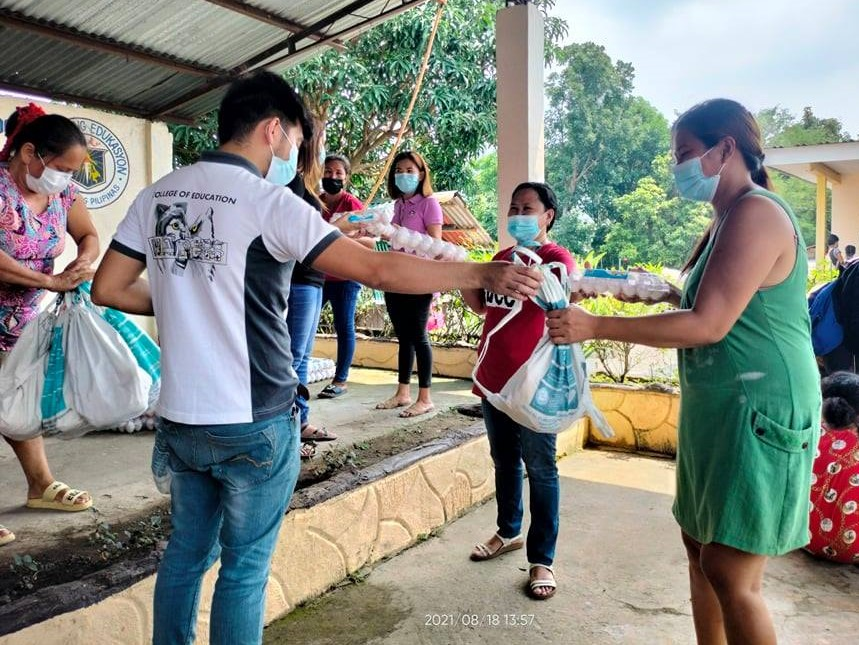
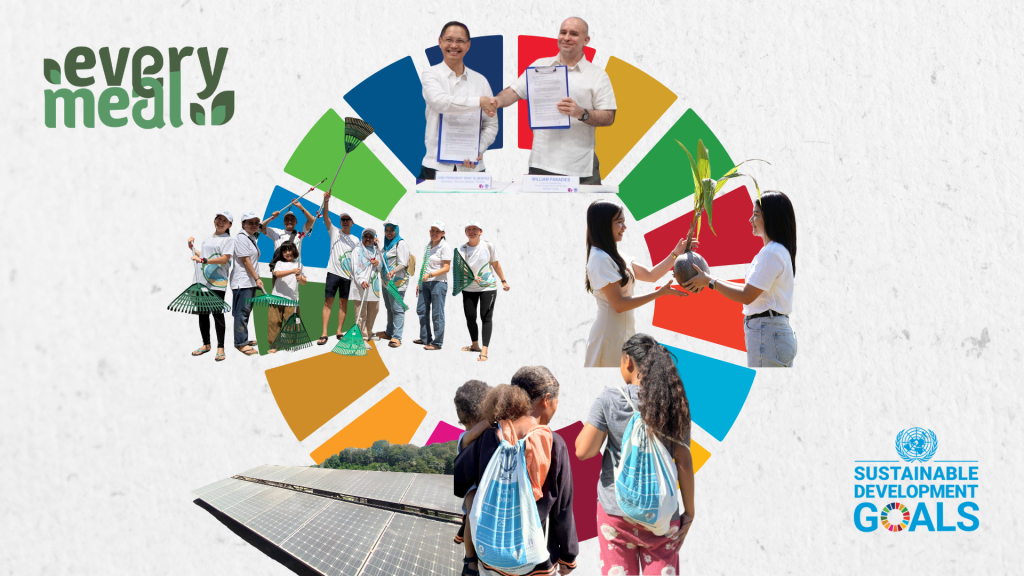
'Gói chăm sóc Kutitap' là một chương trình phụ của Chương trình nuôi dưỡng Kutitap hàng năm trước đây do Pilmico và KINDER của Aboitiz Foundation, Inc. (AFI) tổ chức. Vào năm 2021, học sinh từ Trường liên hợp Bueno ở Capas và Trường liên hợp Malasa ở Bambam, Tarlac đã nhận được bánh mì và trứng mới nướng. Mười ba ổ bánh mì từ tiệm bánh đối tác của Pilmico, Norms Chaves của Norlyn's Bakery, và 12 quả trứng lớn từ các trang trại Pilmico đã được đóng gói trong các bao bột Pilmico tái chế. Các bao này đã được biến thành túi rút đa năng để học sinh sử dụng khi đi học hoặc cho các nhu cầu hàng ngày của mình.
Khẩu trang tái sử dụng
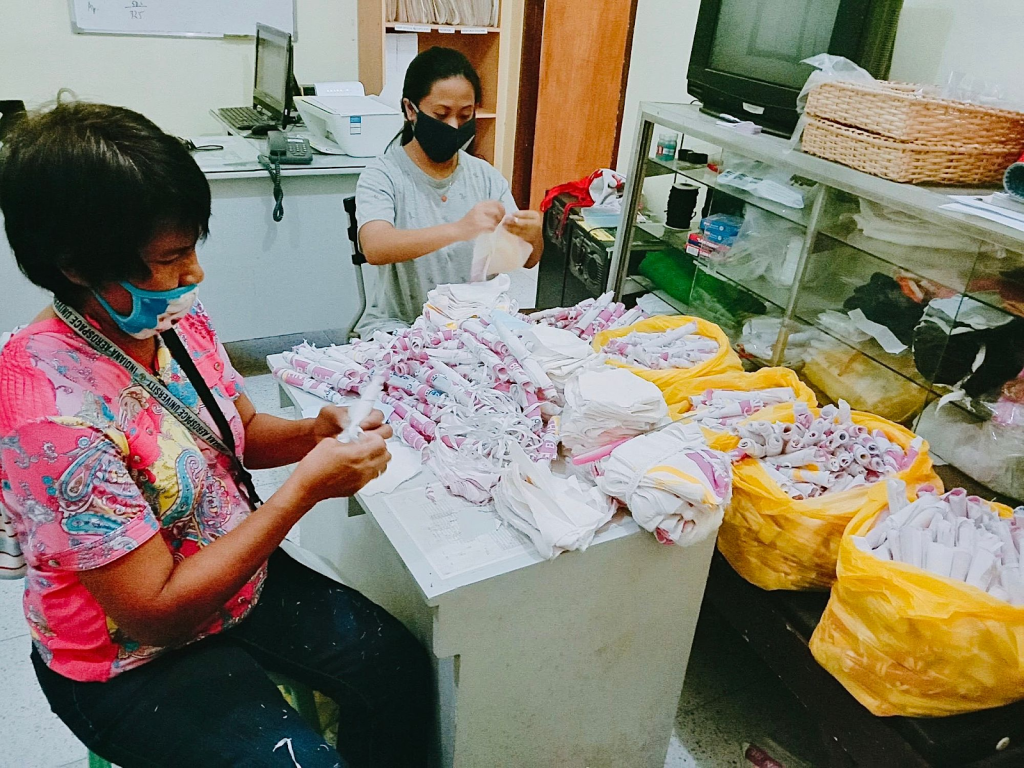
Đỉnh điểm của đại dịch cũng chứng kiến tinh thần 'Bayanihan' mạnh mẽ từ nhiều lĩnh vực khác nhau. Đối với Pilmico, họ đã hợp tác với các hợp tác xã thợ may và Mask4AllPH, một tổ chức tình nguyện phân phối khẩu trang miễn phí.
Năm 2020, Pilmico đã tuyển dụng 30 thợ may tại Taguig và Cebu City để sản xuất khẩu trang tái chế có thể tái sử dụng. Sáng kiến này đã sản xuất hơn 50.000 khẩu trang được phân phối cho khách hàng, nhân viên và cộng đồng đối tác của Pilmico.
Ngoài ra, Pilmico còn trao tặng 23.000 bao bột mì đã được tái chế thành 160.000 khẩu trang tái sử dụng thông qua sáng kiến Mask4AllPH.
Dự án đảm bảo khẩu trang đạt mọi tiêu chuẩn mà Bệnh viện Đa khoa Philippines khuyến nghị.
Quan hệ đối tác CORA Philippines
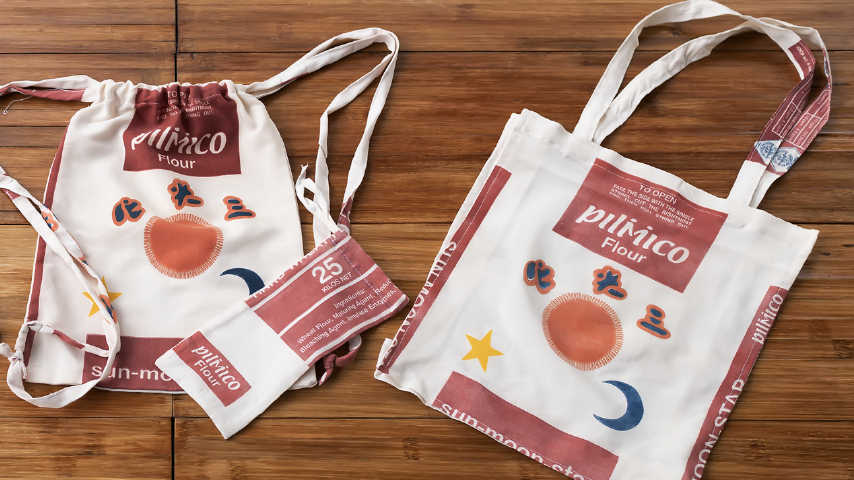
Vào tháng 7 năm 2021, Pilmico đã hợp tác với Aboitiz Foundation và CORA Philippines, một tổ chức phi lợi nhuận chuyên về các chương trình bền vững. Sáng kiến doanh nghiệp và phát triển này nhằm mục đích tái chế các bao bột mì Pilmico đã qua sử dụng thông qua sự giúp đỡ của CORA. Mục tiêu của chương trình là cung cấp đào tạo năng lực và kỹ năng cho những người thụ hưởng mục tiêu và trang bị cho họ các phương tiện sinh kế bền vững và lâu dài trong cộng đồng của họ.
Pilmico tập trung chủ yếu vào việc duy trì các tiêu chuẩn cao nhất cho sản phẩm của mình, đặc biệt là bột mì, thông qua việc sử dụng bao bì chất lượng. Đồng thời, bằng cách tái chế những bao tải này, họ thực hiện mục đích lớn hơn là đóng góp vào tính bền vững.
Frequently Asked Questions
How does the upcycled flour sack program contribute to Pilmico’s own sustainability targets?
By diverting used flour sacks from disposal into a productive use stream, Pilmico reduces its operational waste output — contributing directly to the Aboitiz Group’s Race to Reduce environmental program targets. Unlike donations that are one-directional, this program generates ongoing waste reduction through a sustained operational mechanism rather than a one-time activity. Each cooperative partnership sustained means a continuous stream of flour sacks diverted from disposal — compounding the environmental benefit the longer the program runs.
What is the Flour Sacks to Bags upcycling initiative and who produces the products?
Pilmico’s Flour Sacks to Bags initiative collects used flour sacks from its production operations and distributes them to partner sewing cooperatives — primarily women’s cooperatives in the NCR and Visayas regions — who upcycle the sacks into usable products including shopping bags, face masks, and fashion accessories. The initiative connects Pilmico’s waste stream directly to a livelihood production pipeline for marginalized women, converting what would otherwise be disposed material into income-generating raw material.
How does this initiative relate to the Masked Hope program from the ECQ period?
The Flour Sacks to Bags sustainability program is the institutionalized, peacetime evolution of the Masked Hope initiative launched during the COVID-19 ECQ. During the ECQ, Pilmico pivoted urgently to distribute used flour sacks to sewing cooperatives to produce face masks — both addressing frontliner protection needs and providing crisis-period livelihood. The post-pandemic sustainability program formalizes this relationship into an ongoing circular economy model rather than allowing it to lapse when the emergency passed.
What sustainability principles does the flour sack upcycling program embody?
The initiative embodies three overlapping sustainability principles simultaneously. Waste reduction: used flour sacks that would otherwise enter a disposal stream are diverted into a productive supply chain. Livelihood creation: the diverted material becomes raw material for a women’s cooperative enterprise, generating income from what had been waste. Consumer education: branded upcycled products carry the story of their origin, raising awareness about circular economy practices among the end buyers of the finished goods.
Who are the cooperative partners in the program and what does the partnership provide them?
The program works with women’s sewing cooperatives — including some of the same partners from the Masked Hope ECQ initiative — who receive used flour sacks from Pilmico at no cost. The cooperatives design and produce the finished goods, retaining the proceeds from sales. Pilmico’s contribution is the raw material supply, brand visibility, and in some cases a guaranteed purchase commitment for finished products. This structure gives the cooperatives a reliable, zero-cost input stream that directly improves their unit economics.