Why Asia’s next chapter in agriculture will be defined by integration, innovation, and sustainability
A Commentary by Eric Nojac, Business CEO, Aboitiz Foods
Originally published on October 15, 2026 at the Philippine Daily Inquirer
Food is the foundational driver of economic growth: it builds human capital, powers labor productivity, and mitigates healthcare costs. Meeting today’s economic challenges requires more than just producing higher output volumes. It demands food systems that can withstand disruptions while adapting to evolving consumer needs.
This shift is unfolding rapidly across Asia, where climate volatility, geopolitical supply friction, and shifting consumer expectations coincide with surging food demand. Food security cannot be achieved at any single stage of the value chain. It depends on how effectively the entire food system operates—from animal nutrition and feed production to livestock farming, food manufacturing, and distribution. A disruption at any point can have far-reaching consequences across the entire network.
As we mark World Food Day, it is a timely reminder that building a more food-secure future requires us to look beyond individual markets and stages of production—and toward the strength of the systems that connect them.
Connected supply chains across regional borders
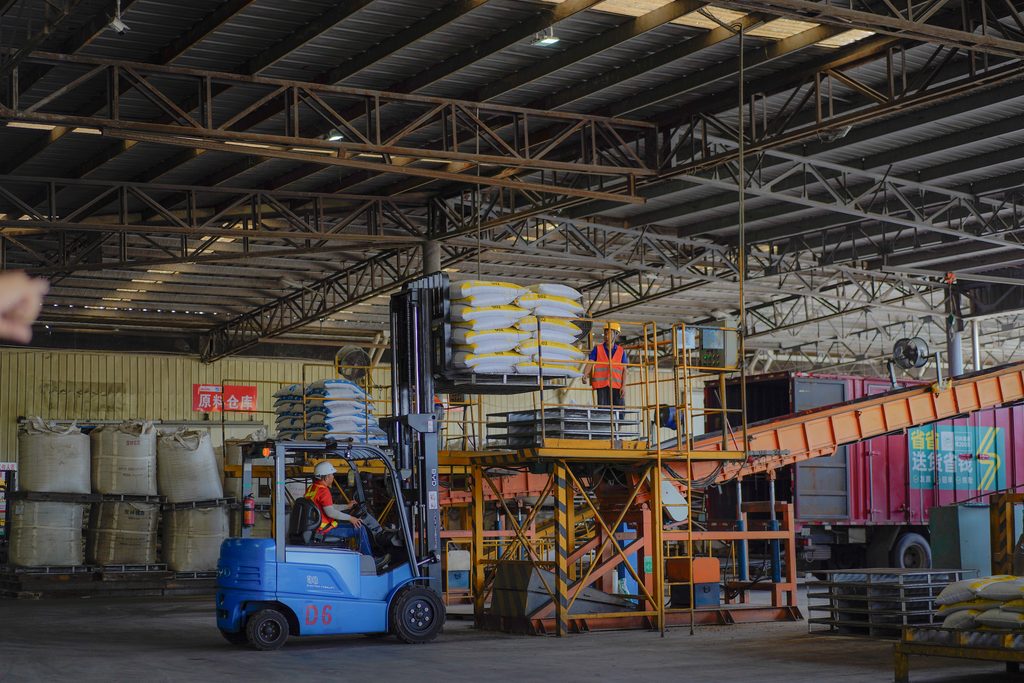
Asia’s food systems are deeply interconnected, with agricultural inputs, breeding stock, technology, and food and nutrition products moving across borders. A disruption in one part of the region quickly impacts local production, supply availability, and consumer prices.
Building systemic resilience requires moving past single-market reliance. Operational stability demands diversified networks, regional trade flexibility, and tight collaboration among farmers, suppliers, manufacturers, distributors, governments, and technology providers.
Regional frameworks such as the ASEAN Regional Guidelines for Sustainable Agriculture and the Integrated Food Security Framework establish a crucial foundation for collective action across the continent. Translating these policy blueprints into reality requires cross-border collaboration between governments and agribusiness leaders. Aligning regulatory standards, modernizing ports and cold-chain infrastructure, and accelerating technology transfer enable Asian markets to safeguard domestic food access while optimizing regional supply flow.
Building better capabilities through people and integrated innovation
Building resilient food systems starts with raising productivity through smarter decisions and greater efficiency across the value chain. Operating across multiple points in agricultural production shows that true innovation goes far beyond honing technology; more importantly, it requires cultivating people, their skills, and the organizational capabilities to translate advanced tools into ones that create meaningful impact.
The next frontier of sustainability will be driven by the convergence of advanced technologies and frontline readiness. Deploying new technologies in manufacturing facilities enables real-time monitoring to improve productivity and efficiency instantly, while continuous R&D investments ensure precise animal nutrition tailored to local livestock conditions. Yet these sophisticated tools are only as effective as the teams operating them.
To unlock full value, organizations must establish platforms that encourage and reward practical, frontline insights to solve real operational pressures. A prime example is The Mill—Aboitiz Foods’ internal innovation program designed to empower its people to transform ground-level ideas into scalable, regional solutions. In Indonesia, a team of nutritionists developed a new formula using alternative ingredients that improved the efficiency of fat digestion in broiler feed. Such innovation reflects how exploring alternative resources can open new opportunities to improve product performance, resource efficiency, and sustainability in animal nutrition. The smart, practical solution protected profitability and sustained poultry growth without compromising quality.
When frontline teams are given the mandate, skills, and platform to address operational constraints, local innovation becomes a powerful catalyst for broader regional productivity. Combined with advanced tech, predictive AI, and dedicated R&D, an empowered workforce turns actionable insight into sustained competitive advantage, enabling smarter decisions from mill to meal.
Sustainability as an operational advantage
Agriculture has always relied on healthy ecosystems, and healthy agribusinesses depend on them equally. Sustainability is no longer viewed solely as environmental stewardship; it has become directly tied to operational resilience, investment decisions, export competitiveness, and commercial growth.
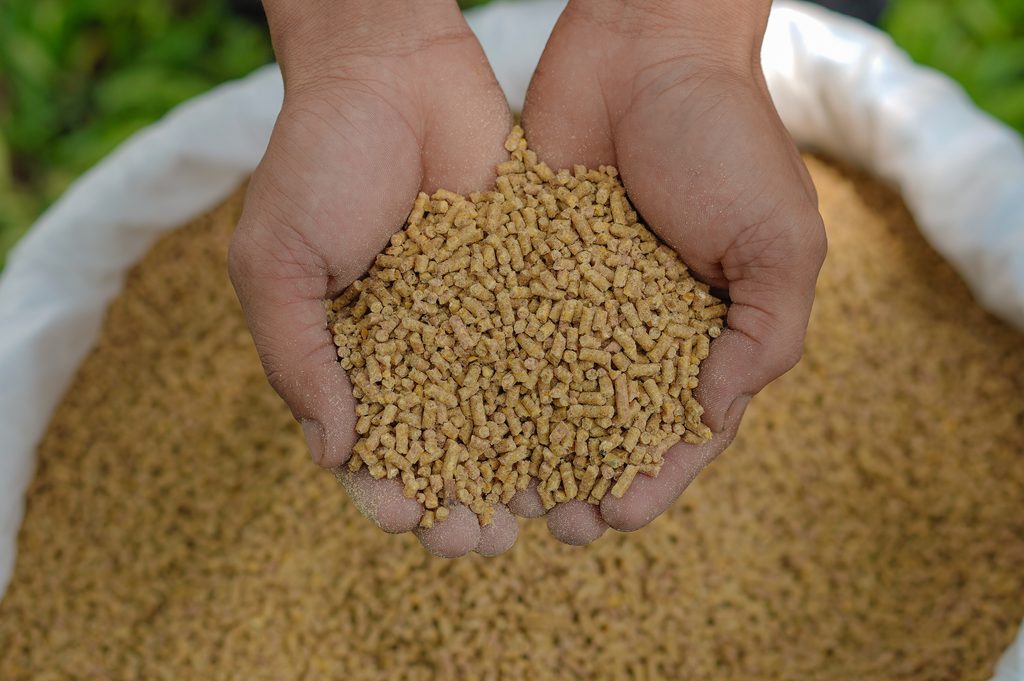
Upstream sustainability decisions yield clear downstream benefits. Optimizing feed efficiency reduces raw material consumption, investments in animal health streamline livestock production, and processing waste reduction directly increases food availability. Financial institutions now integrate environmental performance into lending frameworks, global markets continue to elevate traceability standards, and consumers actively reward supply chain transparency.
Data from the Food and Agriculture Organization (FAO) shows that agrifood systems account for roughly one-third of global greenhouse gas emissions while remaining uniquely vulnerable to climate risks.1 This makes reducing environmental impact both a responsibility and a practical consideration for the sector’s long-term resilience. The challenge for the industry is not simply to produce more, but to continually find better ways of doing so—improving productivity and efficiency while mindfully adopting more sustainable and responsible practices. Achieving this will take time, innovation, and collaboration across the value chain, but each step can contribute to a more resilient, future-fit food system.
Leading before the crisis hits
Food security captures public attention during periods of crisis, but the real test is how well we prepare before those pressures emerge. Governments create policies that encourage investment, research institutions develop new technologies, farmers can strengthen productivity on the ground, and the private sector can help scale solutions across markets.
As an industry, we have an opportunity to move from reacting to disruptions to building stronger food systems ahead of them. That means embracing technology while investing in the people, skills, and capabilities that make innovation meaningful. It means building more sustainable and resilient operations before external pressures demand them, and strengthening partnerships before trade routes are tested.
Agriculture sits at the intersection of food security, economic growth, livelihoods, and resilience. As Asia continues to grow and navigate changing climate conditions and evolving food needs, the strength of these systems will matter even more. Meeting the demands of the coming decades will require sustained effort across the value chain and across sectors. Food security cannot be addressed by any one part of the system alone. It must be a shared and continuous commitment to nourishing Asia’s future.
Read the original article at the Philippine Daily Inquirer.
- Greenhouse gas emissions from agrifood systems 2001-2023
https://www.fao.org/statistics/highlights-archive/highlights-detail/greenhouse-gas-emissions-from-agrifood-systems.-global–regional-and-country-trends–2001-2023/en
↩︎