Pilmico Foods Corporation’s (Pilmico) Livelihood Kit Program is their flagship corporate social responsibility (CSR) initiative that aims to help backyard farmers, bakers, and aspiring agribusiness entrepreneurs nationwide by providing them with sustainable livelihoods.
Staying true to the Aboitiz Group’s promise of Advancing Business and Communities, Pilmico has extended assistance to those in need, such as Typhoon Odette survivors and ASF-hit swine raisers in Mindanao. While this promise remains for the Aboitiz Group, Pilmico’s beneficiaries have also imbibed this idea by giving back to their communities.
Cebu-Bohol livelihood beneficiaries give back
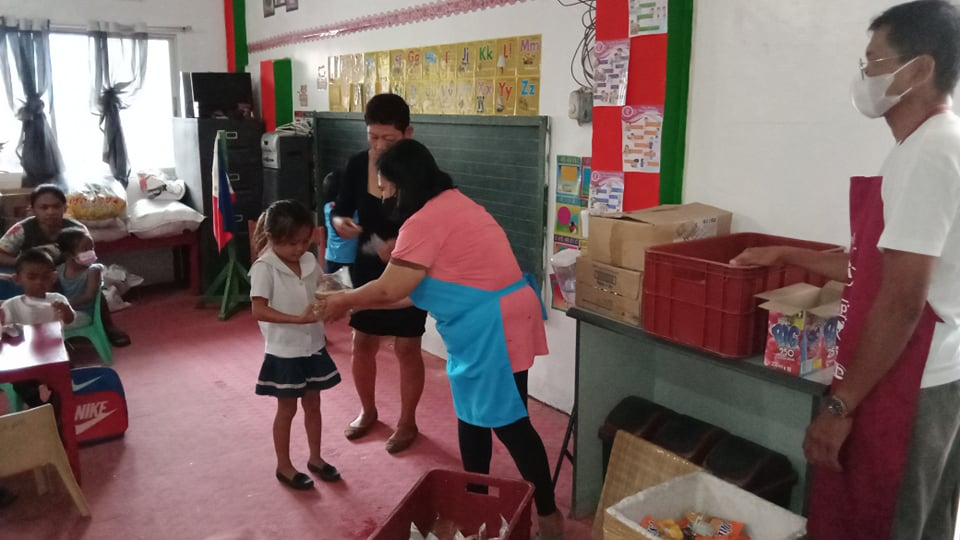
Last July 2022, Pilmico in partnership with Aboitiz Foundation, Inc. (AFI) and Ramon Aboitiz Foundation, Inc. (RAFI), donated livelihood kits to Typhoon Odette survivors in Cebu and Bohol as part of their “Padayon sa Pagbusay” (Paddle Unceasingly) program.
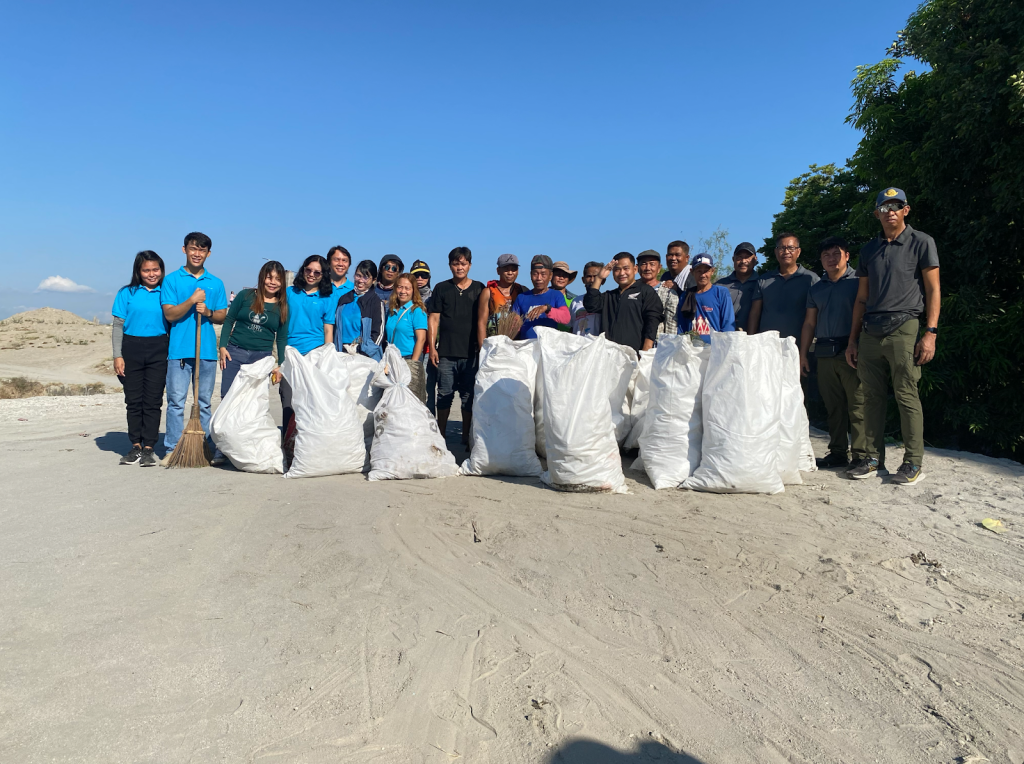
Last November, beneficiaries conducted various feeding programs for kids and less fortunate within their communities as a way of giving back. Leonida Tambalo, a Bakery Livelihood kit beneficiary from Ubay, Bohol, gave bread and juice to over 20 daycare students. Meanwhile, Teofista Apura, an Egg Machine kit beneficiary from Carcar City, Cebu made a simple lunch meal for more than 30 people.
According to them, this is their simple way of expressing gratitude to their livelihood kit donors, Pilmico, AFI, and RAFI, who supported them and continue sustaining their businesses.
Alternative livelihood opportunities for swine raisers
Aside from Typhoon Odette survivors, another sector that currently needs an extra boost is swine raisers, who are still recovering from the effects of African Swine Fever (ASF).
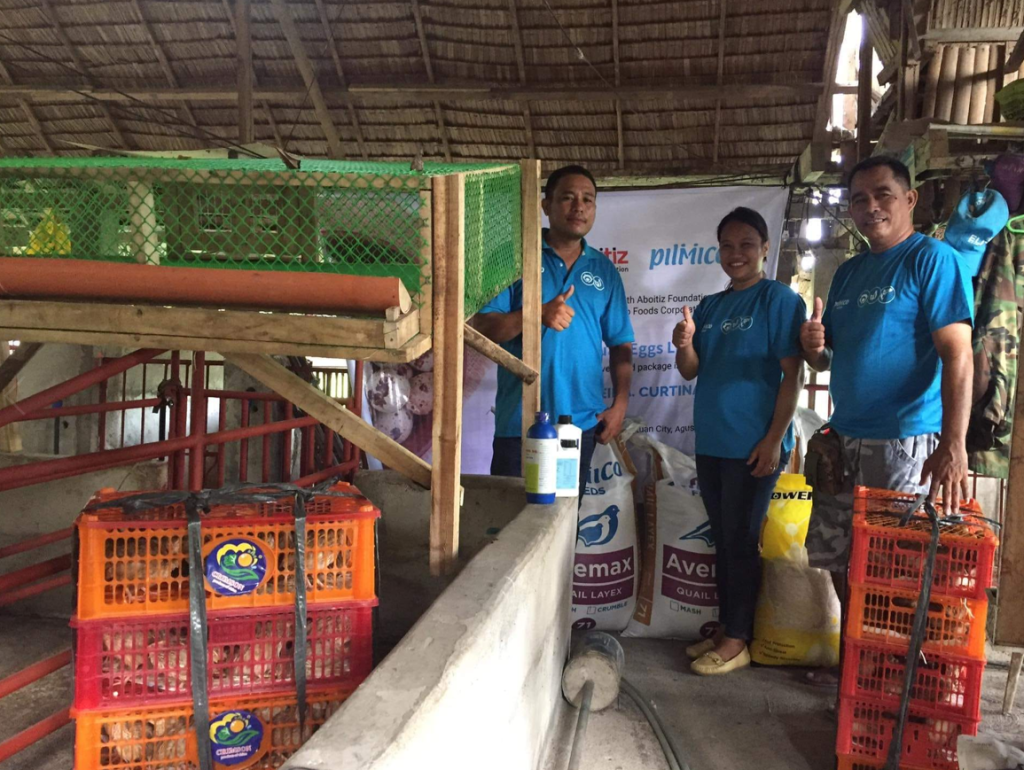
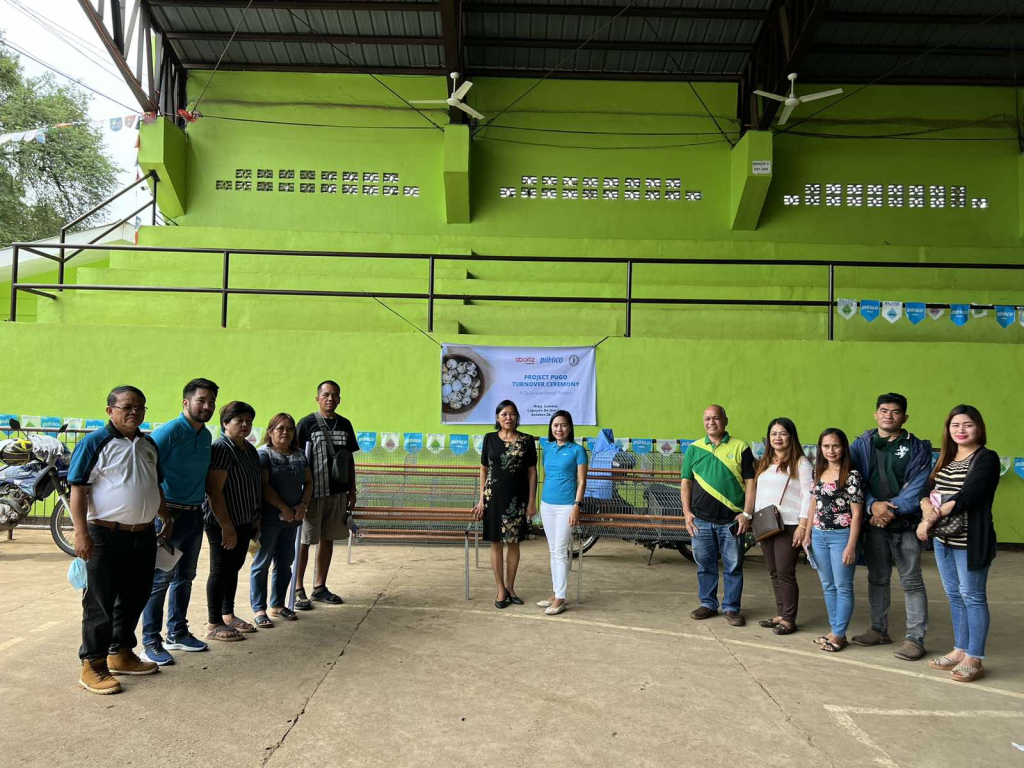
Pilmico, in partnership with AFI, extended livelihood kits to swine raisers in the Mindanao Region last September and October. Egg Machines and Quail Egg kits were distributed to 26 backyard farmers as an alternative source of income.
“Successful entrepreneurs are not built overnight and the biggest factor in the success is the dedication of the owner. This livelihood is only the start and we are hopeful that this livelihood will grow in the future. We, in Pilmico, guarantee to help the beneficiaries all throughout this journey. Mabuhay ang backyard farmers,” said Floreda Molina, Regional Sales Manager of Pilmico.
Ten beneficiaries received egg machine kits; each kit includes 96 ready-to-lay hens, Pilmico feeds good for 1 month, a weighing scale, and animal health products. Meanwhile, 16 beneficiaries of the quail egg kits received 200 ready-to-lay quails, feeds for 1 month, and animal health products. Aside from these livelihood essentials, beneficiaries will also have access to technical assistance provided by Pilmico.
Pilmico conducted a series of turnover ceremonies last September 21 for CARAGA beneficiaries, October 26 in Misamis Oriental, and October 29 in Lanao del Norte.
Dr. Perla T. Asis, DM, City Veterinarian of Cagayan De Oro extends her gratitude to Pilmico. “The City Veterinary Office appreciates the project of Pilmcio to distribute these livelihood kits to the beneficiaries that would help them earn additional income. This project will be a good opportunity for the beneficiaries to recover from the loss brought by the ASF,” she said.
Frequently Asked Questions
How does the give-back behavior align with the Aboitiz Group’s stated purpose?
Aboitiz’s stated purpose is to advance business and communities — not just the recipient’s business, but the wider community. The Cebu and Bohol beneficiaries’ voluntary community giving creates exactly this: a single investment by Pilmico that ultimately benefits a broader circle of people than those who directly received kits. This multiplied community impact — where program recipients become program givers — represents the most efficient possible use of CSR investment and reflects the Aboitiz Group’s long-term vision of empowered, self-sustaining communities.
What was the scale of ASF losses that Mindanao swine raisers experienced, and how did Pilmico respond?
African Swine Fever devastated backyard hog raisers across Mindanao, wiping out entire herds and eliminating the primary livelihood source for many farming families. Pilmico responded with a structured recovery program that distributed gilt kits — each consisting of two gilts and feed support — directly to affected backyard swine raisers in Mindanao. The program was implemented in partnership with Pilmico’s network of agri-dealers in the region, who helped identify the most severely affected beneficiaries.
How did Cebu and Bohol beneficiaries from earlier Pilmico ASF assistance give back to their communities?
In a notable ripple effect of Pilmico’s earlier ASF livelihood assistance to Cebu and Bohol, some of the original beneficiaries who had recovered and grown their pig-raising businesses used a portion of their proceeds to give back to their own communities. Several donated piglets to neighbors and fellow farmers who had not received direct assistance, effectively extending the Pilmico program’s reach beyond the original recipients without additional cost to Pilmico. This pay-it-forward behavior demonstrates the program’s success in creating surplus — beneficiaries who were generating enough income to help others.
What specific livelihood kits were provided to Mindanao swine raisers and what do they include?
Mindanao swine raisers received gilt kits consisting of two healthy gilts (young female pigs ready to breed) along with a supply of Pilmico feed to cover the initial growing cycle. The combination of animals and feed is a deliberate design choice: providing only animals without feed support leaves beneficiaries immediately burdened with production costs they may not be able to cover; providing only feed without animals gives them no productive asset. The paired kit gives farmers everything they need to begin a functional enterprise immediately.
What does the Cebu and Bohol beneficiaries’ community giving behavior reveal about the program’s design quality?
The fact that beneficiaries reached a level of recovery sufficient to donate animals to neighbors demonstrates two things: first, that the gilt kit provided enough biological and financial capital to generate surplus above subsistence needs; and second, that the program’s technical assistance — on feeding ratios, health management, and farm management — was effective enough to translate the initial investment into a viable business. A program that creates enough value for recipients to give away part of their gains has achieved impact well beyond the original transaction.