Months after Typhoon Odette hit the Visayan region, its effects and damages are still felt today, especially for the families and their livelihood.
To aid affected families and help them get back on their feet again, Pilmico Foods Corporation (Pilmico) partnered with Aboitiz Foundation, Inc. (AFI) and Ramon Aboitiz Foundation, Inc. – Microfinance (RAFI-MFI), for the Cebu and Bohol rehabilitation project called “Padayon sa Pagbusay (Paddle Unceasingly).” The project is spearheaded by RAFI-MFI aimed to help afflicted families rebuild their lives and start a business through livelihood assistance.
“We in the Aboitiz Foundation try our best to help Typhoon Odette affected areas. We want to see the communities rise from the aftermath of this disaster. Our goal is to help them recover and become more resilient communities. We thank our local partners, the Aboitiz business units, who came together to extend valuable assistance,” said Maribeth Marasigan, Aboitiz Foundation, Inc, President and Chief Operating Officer (COO).
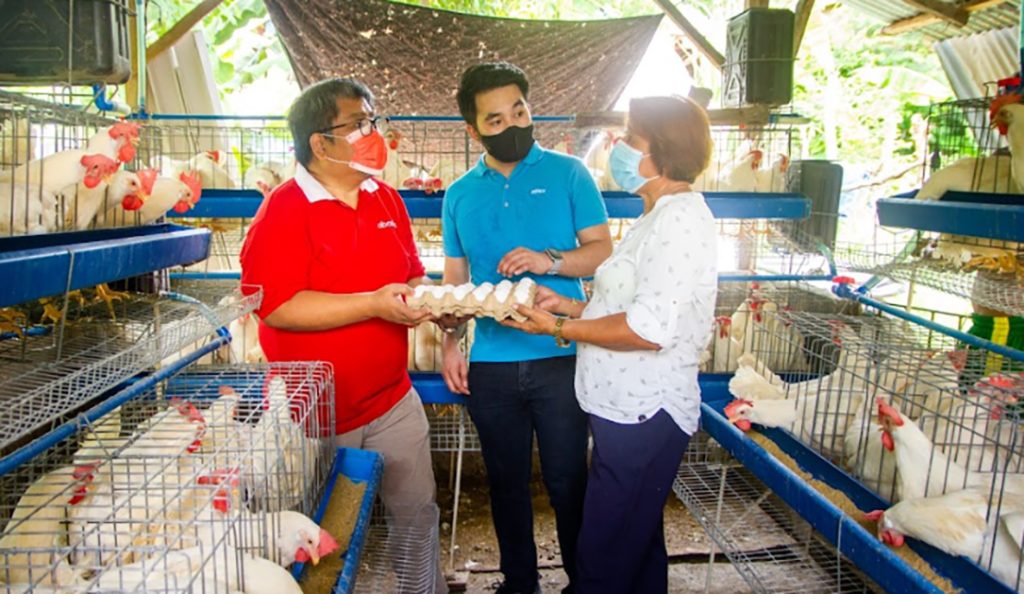
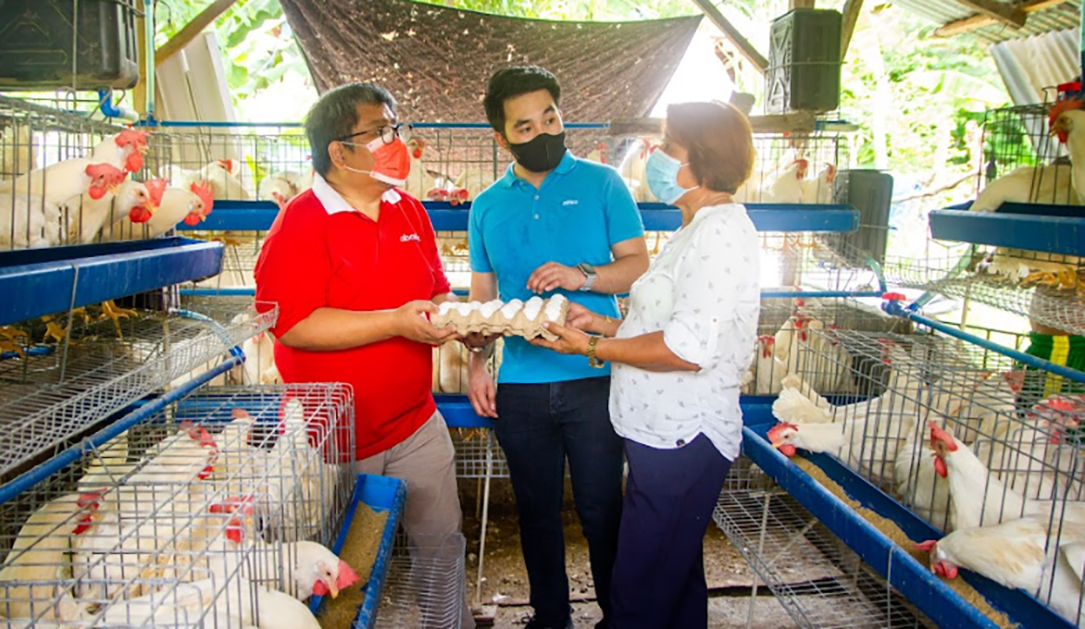
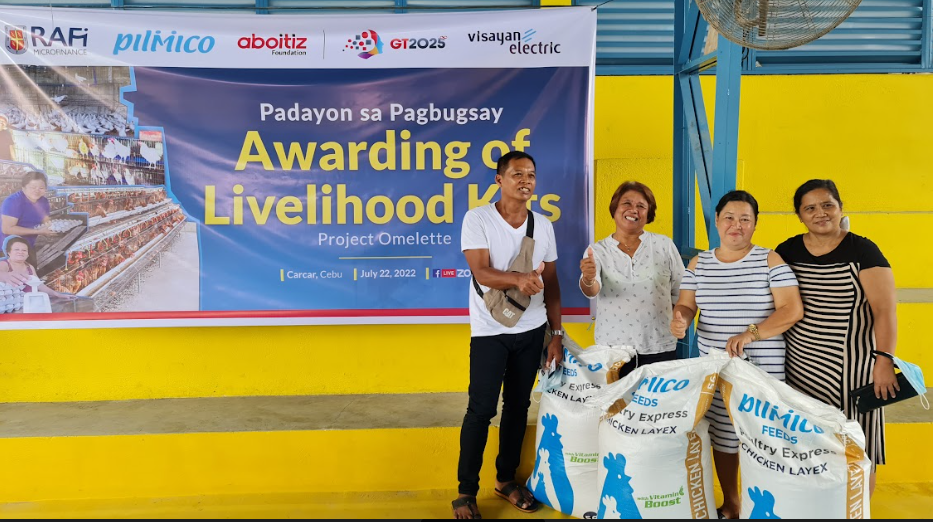
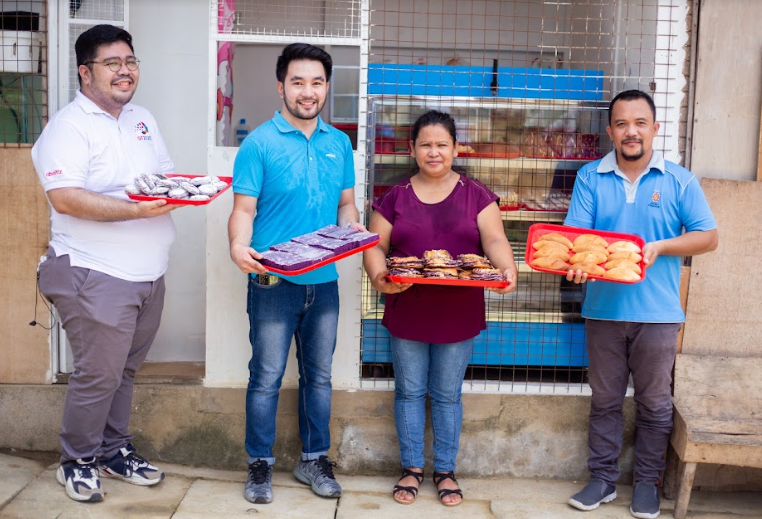
Last July, Pilmico distributed gilt, bakery, and egg machines livelihood kits to 15 beneficiaries from North and South Cebu, and Bohol. Five of them received the gilt package which includes 2 gilts and feeds, another set of 5 beneficiaries received the egg kits with egg machines, ready-to-lay hens, and a weighing scale, while the remaining 5 got various baking equipment and flour. Aside from the livelihood kits, beneficiaries were also given animal health products and access to or provided with technical services to equip them with the needed skills and knowledge for their business.
This is also part of the food group’s flagship project, Pilmico Livelihood Kit, wherein they distribute livelihood opportunities, especially to farmers and entrepreneurs. More than these packages, they are also supported with the proper technical knowledge and capabilities to ensure the sustainability and profitability of their livelihood in the long run.
True to the Aboitiz Group’s commitment to advancing business and communities, the rehabilitation project aims to empower beneficiaries from Cebu and Bohol and help them become successful agripreneurs. And in the future, they will also be able to provide for their families and offer quality products to their customers, whether it’s pigs, eggs, or bread.
Frequently Asked Questions
How does the Padayon sa Pagbusay project reflect the Aboitiz Group’s vision for long-term community resilience?
The name “Paddle Unceasingly” encodes a philosophy of sustained community agency rather than passive dependency: the project does not just provide relief but enables recipients to rebuild independently. By choosing livelihood kits over pure cash or food relief, the project invests in productive capacity that outlasts the project cycle itself. True to the Aboitiz Group’s stated commitment to advancing business and communities, the goal is to empower beneficiaries to become successful agripreneurs — capable of providing for their families and offering products to their communities long after the project formally concludes.
What is the “Padayon sa Pagbusay” project and who leads it?
Padayon sa Pagbusay — meaning “Paddle Unceasingly” in Cebuano — is a rehabilitation project for families in Cebu and Bohol affected by Typhoon Odette. It is spearheaded by Ramon Aboitiz Foundation, Inc. – Microfinance (RAFI-MFI) and implemented in partnership with Aboitiz Foundation, Inc. and Pilmico Foods Corporation. The project aims to help afflicted families rebuild their lives and start businesses through livelihood assistance — using the Pilmico Livelihood Kit framework as its primary delivery mechanism.
What livelihood kits were distributed under the Padayon sa Pagbusay project and to how many beneficiaries?
Last July 2022, Pilmico distributed three types of livelihood kits to 15 beneficiaries from North and South Cebu and Bohol. Five received the gilt package consisting of two gilts and feeds. Five received the egg kit with egg machines, ready-to-lay hens, and a weighing scale. The remaining five received bakery equipment and flour. Alongside the kits, all beneficiaries received animal health products and access to technical services to equip them with the skills and knowledge needed to sustain their new businesses.
What was Aboitiz Foundation COO Maribeth Marasigan’s message about the Cebu and Bohol recovery project?
Maribeth Marasigan expressed that Aboitiz Foundation was doing its best to help Typhoon Odette-affected areas and articulated the goal of seeing communities rise from the disaster’s aftermath. She framed the objective not just as relief but as recovery and resilience-building — helping communities rebuild and become more resilient. She specifically thanked the local Aboitiz business unit partners who came together to provide assistance, characterizing the response as a collaborative One Aboitiz effort rather than a single-entity initiative.
What is the Pilmico Livelihood Kit and what makes it a suitable vehicle for post-disaster recovery?
The Pilmico Livelihood Kit is Pilmico’s structured livelihood assistance framework that pairs a productive asset (gilts, egg machines, or bakery equipment) with initial operating inputs (feed or flour) and technical support. This bundled approach is particularly well-suited for post-disaster recovery because it provides everything needed to start a new income stream immediately — without requiring beneficiaries to have any prior savings or access to credit. The package is designed to generate income quickly enough to be self-sustaining within a single production cycle.