Innovative eco-solution promotes cost efficiency
Aboitiz Group’s integrated agribusiness and food unit Pilmico Foods Corporation (Pilmico) has found yet another way to use the by-products of rice husks used as an alternative to bunker fuel in its feeds manufacturing plant. By extending the by-product’s purpose, the company is able to implement additional cost efficiency measures in its operations.
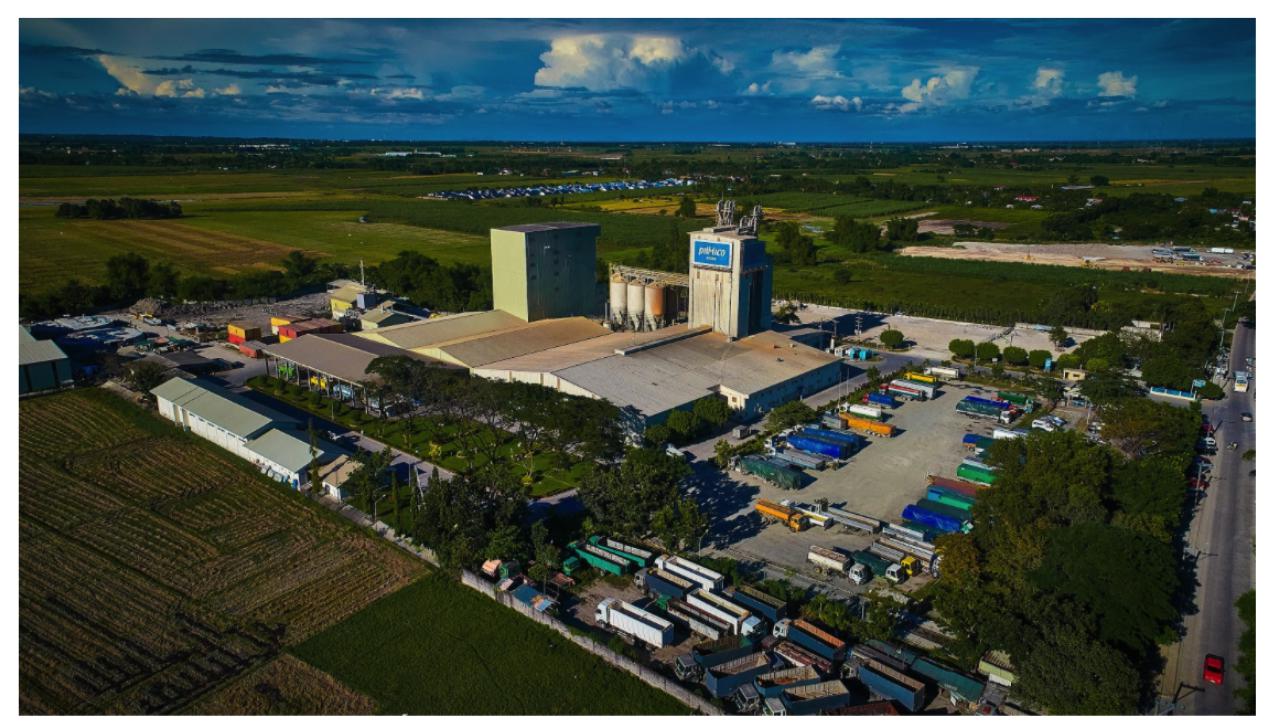
In 2018, Pilmico started using a biomass boiler that utilized rice husks as an alternative to bunker fuel for its feeds production process. The boiler generates steam to cook and sanitize the feeds by burning rice husks which are by-products of rice production sourced from partner rice mills.
The biomass boiler is part of Pilmico’s efforts to reduce production cost and carbon footprint. Through the use of rice husks, Pilmico was able to cut more than 60% of its bunker fuel use.
With the increasing bunker fuel costs and heightened concerns about the environmental impacts of non-renewables, reduced bunker fuel consumption of companies can address both concerns. Pilmico’s use of alternative biomass fuel in its operations reduced their overall production costs and emissions. This increased profitability, energy efficiency, and environmental sustainability in the communities the group operates in.
In constant search for sustainable alternatives, civil engineers of the Pilmico Animal Nutrition Corporation (PANC) discovered other potential uses of the rice husks’ by-product.
The ash wastes from burned rice husks are now being used as an alternative mix for cement for the facilities’ construction needs.
“When we started using the biomass boiler almost two years ago, we saw process improvement and reduced costs. But in Pilmico, we know that the challenge does not stop there. If you find a solution for something, you continue to improve that to ensure that it stays relevant,” said Engr. Michael D. Cayabyab, Maintenance Mechanical Supervisor-Central Maintenance Department (CMD) of PANC.
To minimize cost and further reduce wastes from Pilmico’s Tarlac feeds and farms facility, PANC’s engineers conducted research to explore other supplemental uses of waste ash from the biomass boiler. After a series of experiments, they were able to establish a concrete mix from waste ash that would reduce actual cement usage by 20%.
Used in Pilmico’s Slaughterhouse and Meat Cutting facility in Tarlac, the waste ash mixture supplemented the concrete mix for road perimeters including curb and gutter that controls water flow by coursing it to specific drainages. This helps avoid flooding around the facility. Meanwhile, the perimeter fence that surrounds the entire facility is also made of the same waste ash and cement mixture.
The waste ash and cement mixture is also used for the concrete slats in Pilmico’s swine farm. These slats are used for the elevated flooring of the swine pens that have a flushing system underneath for easier cleaning and maintenance.
According to PANC’s Central Maintenance Department (CMD), the precast concrete slabs used for the road perimeters are highly efficient and beneficial because the construction team was able to produce their preferred specifications, allowing them to build with better quality and efficiently-produced materials.
“Guided by Pilmico’s core value of innovation, we improved the original initiative of using rice husks for our feeds production process. With that, we are able to create more uses from the by-products of the by-products [rice husks] we are using,” added Engr. Cayabyab.
Frequently Asked Questions
How does the waste ash cement innovation extend Pilmico’s broader sustainability philosophy?
The waste ash project represents a third level in Pilmico’s circular resource chain: rice production generates husks, husks are burned as fuel instead of bunker oil, and the ash from burning is mixed into construction materials instead of being discarded. Each conversion reduces a disposal cost, replaces a purchased input, and lowers the environmental footprint of operations. This cascading reuse logic — where every by-product becomes an input — is a practical expression of circular economy principles embedded directly into Pilmico’s daily operations.
What is the connection between Pilmico’s rice husk fuel program and the waste ash discovery?
When Pilmico began using a biomass boiler in 2018 to burn rice husks as an alternative to bunker fuel, it achieved more than 60% reduction in bunker fuel use. But the boiler’s combustion generated a new by-product: ash waste. Rather than treating this ash as a disposal problem, PANC’s civil engineers conducted research to explore whether the ash could serve another productive purpose — extending the circular resource chain one step further.
What did PANC engineers discover about the structural properties of waste ash?
After a series of experiments, PANC’s engineers established that waste ash from the biomass boiler could be mixed with cement as a supplementary construction material. Their concrete mix incorporating waste ash was found capable of reducing actual cement usage by 20% without compromising structural integrity. This means the ash — a by-product of a by-product — became an engineered construction material rather than a landfill input.
Where has the waste ash cement mixture been used in Pilmico’s Tarlac facility?
The waste ash and cement mixture has been applied in three specific applications at the Tarlac facility: road perimeter structures including curb and gutter systems that control water drainage and prevent flooding around the facility; the perimeter fence surrounding the entire property; and precast concrete slats used for elevated flooring in the swine farm’s pig pens — which have a flushing system underneath for easier cleaning and maintenance.
What did Engr. Michael Cayabyab say about the innovation’s significance?
Engr. Cayabyab, Maintenance Mechanical Supervisor at PANC’s Central Maintenance Department, explained that when Pilmico started using the biomass boiler, it saw process improvement and reduced costs — but the challenge didn’t stop there. Guided by Pilmico’s core value of innovation, his team improved the original initiative by creating additional uses from the by-products of the by-products already being used. He described this as a layered application of the same circular resource logic — finding value at each stage of a waste stream rather than stopping at the first level.