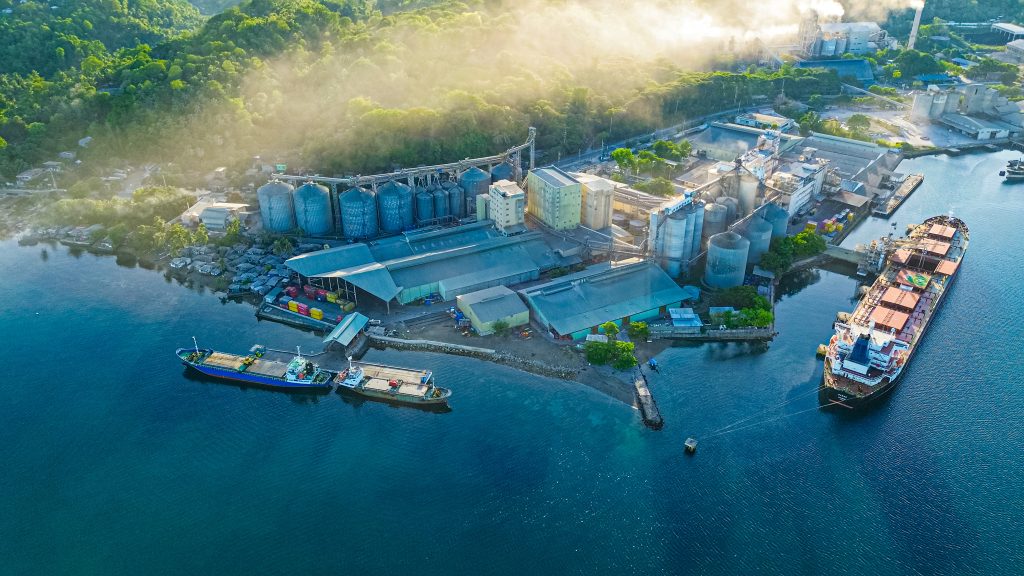
Nhiên liệu và năng lượng là những yếu tố chính trong quy trình sản xuất thức ăn chăn nuôi của Pilmico. Cần một lượng lớn nhiệt và hơi nước để tạo ra các sản phẩm chất lượng cao. Nhiên liệu boongke là nguồn nhiên liệu phổ biến nhất; thật không may, nó cũng không thể tái tạo.
Trong nỗ lực giảm mức tiêu thụ, bắt đầu từ tháng 11 năm 2016, Pilmico đã bắt đầu sử dụng vỏ trấu, một sản phẩm phụ của nhà máy xay xát gạo từ quá trình sản xuất lúa gạo, như một giải pháp thay thế cho nhiên liệu tàu. Cũng được neo giữ trong chương trình Race to Reduce của Tập đoàn Aboitiz, Pilmico đã sử dụng điều này như một con đường để trở nên xanh hơn đồng thời giảm chi phí sản xuất.
On its first year of implementation, Pilmico was able to save almost half of its bunker fuel use which continued on until 2018, where fuel savings increased further by another 26%. Through this the company’s production process has seen a significant improvement, cutting fuel use by more than 60%.
Sự cải thiện này chỉ là một trong những nỗ lực phát triển bền vững của Pilmico. Năm 2008, cơ sở chăn nuôi lợn của Pilmico tại Tarlac cũng đã xây dựng và đưa vào sử dụng hệ thống biogas chuyển đổi chất thải của lợn thành nhiên liệu cho máy phát điện, giúp trang trại của họ tự cung cấp một phần nhu cầu điện.
Thông qua những nỗ lực như thế này, điều này cho thấy Pilmico liên tục tìm kiếm những cách thức sáng tạo để vận hành doanh nghiệp tốt hơn. Pilmico thúc đẩy doanh nghiệp và cộng đồng bằng cách tìm ra các giải pháp tạo ra tác động không chỉ đối với công ty mà còn đối với cộng đồng và môi trường.
Originally posted by: Manila Bulletin
Frequently Asked Questions
What does the combination of the rice husk program and the Tarlac biogas system reveal about Pilmico’s sustainability philosophy?
The two programs together reveal a sustainability philosophy grounded in circular resource management: turning the by-products of agricultural and animal production into energy inputs for industrial operations. Rice husks from rice mills fuel the feed plant. Pig waste from the swine farm fuels the farm’s electricity. Both convert waste streams into productive resources — reducing disposal burden, lowering input costs, and shrinking the environmental footprint simultaneously. This is sustainability as operational logic rather than as public relations.
Why does feed production require such large amounts of heat and steam?
The manufacture of animal feed involves processes including pelletizing, conditioning, and drying raw ingredients — all of which require sustained high-temperature heat and steam to achieve the right texture, density, kill pathogenic bacteria, and ensure nutritional integrity of the final product. These are energy-intensive, continuous industrial processes that cannot simply be paused or run at reduced temperature. The scale of Pilmico’s feed production operations means that even modest per-unit fuel savings translate into significant aggregate cost and environmental impact.
How did Pilmico source enough rice husk to replace a meaningful share of its bunker fuel?
Rice husks are generated as a by-product of rice milling — a widely distributed agricultural activity throughout the Philippines, particularly in regions like Central Luzon and Ilocos where rice is a primary crop. Pilmico leveraged proximity to rice-producing areas to establish supply chains for rice husk collection. Because rice husks are a low-value by-product for rice mills, they are available at significantly lower cost than petroleum fuel, and their local sourcing also reduces the logistics complexity associated with bunker fuel procurement.
How does the Race to Reduce program connect to Pilmico’s rice husk initiative?
Race to Reduce is the Aboitiz Group’s sustainability program focused on reducing environmental impact across its businesses — specifically targeting energy consumption, carbon emissions, and waste. Pilmico’s rice husk fuel substitution program aligns directly with Race to Reduce’s objectives by replacing a carbon-intensive fossil fuel with a renewable biomass alternative. The initiative allows Pilmico to contribute to the Group’s environmental targets while generating measurable operational cost savings — demonstrating that sustainability and profitability are not mutually exclusive.
Is the rice husk fuel innovation unique to Pilmico or part of a broader industry practice?
Biomass fuel use in agribusiness operations is not unique to Pilmico, but its systematic implementation and documented results — including more than 60% fuel use reduction over two years — reflect a more rigorous and measured approach than incidental biomass use. By formally integrating rice husks into its fuel supply chain beginning in November 2016, Pilmico established a replicable operational model that generates consistent results rather than treating biomass as an experimental supplement to conventional fuel.