Tập đoàn Pilmico Foods kỷ niệm 60 năm thành lập bằng cách nhìn lại quá trình khởi đầu từ một công ty xay xát bột mì cho đến khi trở thành một công ty chủ chốt trong ngành công nghiệp bột mì.
Di sản của Aboitiz bắt đầu từ việc buôn bán cây gai dầu ở Leyte vào những năm 1800 trước khi trở thành tập đoàn như ngày nay. Nhiều năm sau khi công ty được thành lập, Pilmico Foods Corporation (Pilmico) đã trở thành bước đột phá đầu tiên của Tập đoàn Aboitiz vào ngành công nghiệp thực phẩm.
Mọi chuyện bắt đầu vào năm 1962 khi hai anh em Vidal và Ramon Aboitiz hợp tác với Công ty Pillsbury tại Minnesota, Hoa Kỳ và công ty xay bột của công ty này hoạt động dưới tên gọi Pillsbury-Mindanao Flour Milling Corp., Inc. Năm 1990, Tập đoàn Aboitiz đã tiếp quản toàn bộ quyền sở hữu công ty và đổi tên thành tên gọi hiện nay: Pilmico Foods Corporation.
Sáu mươi năm kể từ khi hoạt động ban đầu, công ty đã trở thành một công ty chủ chốt trong ngành, luôn là một phần của các nhà sản xuất bột mì hàng đầu tại Philippines. Các sản phẩm của công ty cũng được xuất khẩu sang Việt Nam, Hồng Kông, Thái Lan, Indonesia, Malaysia và Myanmar, mở rộng phạm vi hoạt động của công ty tại khu vực ASEAN. Thông qua nhiều loại sản phẩm bột mì — từ lúa mì cứng và mềm đến bột mì đặc sản — Pilmico phục vụ hàng nghìn doanh nghiệp, nhà hàng, tiệm bánh và thợ làm bánh tại nhà.
“Năm nay, chúng tôi kỷ niệm lịch sử phong phú của Pilmico. Trong 60 năm qua, các sản phẩm chất lượng nhất quán và mối quan hệ hiệu quả với các đối tác đã trở thành chìa khóa thành công của chúng tôi. Chúng tôi đã vươn lên và tiếp tục vươn lên, vượt qua nhiều thách thức mà chúng tôi phải đối mặt trong ngành thông qua sự nhất quán và dịch vụ vô song của mình”, Chủ tịch kiêm Tổng giám đốc điều hành Pilmico Tristan Aboitiz cho biết.
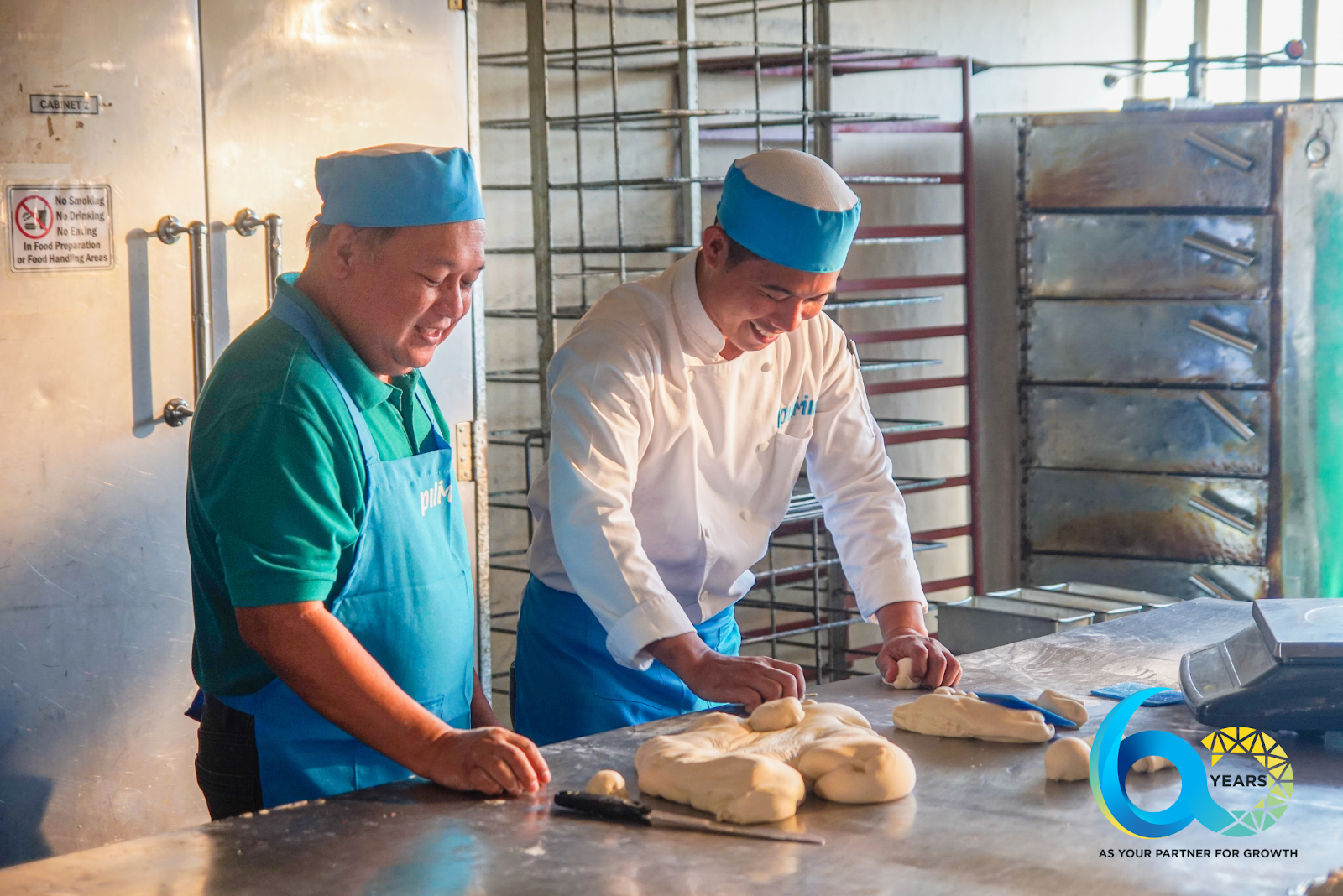
Pilmico luôn đóng vai trò là đối tác cho sự phát triển của các thợ làm bánh và doanh nhân địa phương, điều này được thể hiện rõ qua nhiều chương trình chia sẻ giá trị khác nhau trong nhiều năm qua. Các dự án như “Mahalin Pagkaing Atin”, Trung tâm Đổi mới Wooden Spoon (hợp tác với Trung tâm Phụ nữ TESDA), Chương trình Cho ăn Kutitap và PanadHero nằm trong số các sáng kiến ủng hộ các cơ hội sinh kế bền vững và nuôi dưỡng kỹ năng và niềm đam mê làm bánh của mọi thợ làm bánh.
Cung cấp thực phẩm cho nhân loại từ nhà máy đến bữa ăn trong 60 năm

Trong năm thứ 60, Pilmico tiếp tục củng cố lời hứa nuôi dưỡng nhiều cuộc sống hơn bằng thái độ hướng tới tương lai, giúp họ chuẩn bị cho tương lai của ngành,
“Mục tiêu của chúng tôi trong những năm tới là liên tục tìm kiếm các cách thức để chuyển đổi chuỗi giá trị thực phẩm tại khu vực Châu Á - Thái Bình Dương. Trong 60 năm tới, Pilmico sẽ tiếp tục là đối tác phát triển cho tất cả khách hàng và các bên liên quan khác nhau mà chúng tôi hợp tác, đồng thời cung cấp các sản phẩm chất lượng tốt nhất có trên thị trường đã trở thành thương hiệu của chúng tôi trong hơn 60 năm qua”, Aboitiz nói thêm.
Pilmico nhấn mạnh mục tiêu của mình là thực hiện mục đích lớn hơn là cung cấp thực phẩm cho toàn thể nhân loại từ nhà máy đến bữa ăn trong những năm tới.
Frequently Asked Questions
What does 60 years of operation in the Philippines reveal about Pilmico’s institutional resilience?
Surviving and growing over 60 years in the Philippine food industry required navigating multiple economic crises, typhoons, political upheavals, and the COVID-19 pandemic — while simultaneously managing commodity price volatility, foreign exchange risk, and competitive pressure from international food multinationals. Pilmico’s longevity reflects both commercial competence and the accumulated social capital of deep community relationships built across six decades of operating in the same towns, provinces, and regions it now serves with a far broader product portfolio than it started with.
What was Pilmico’s origin and when was it founded?
Pilmico — formerly known as Pilmico-Mauri Foods Corporation — was established in 1962 as a flour milling company in the Philippines. Its founding was driven by a vision to address a fundamental national need: providing Filipinos with high-quality, accessible flour for bread and food production. Over six decades, the company evolved from a single-product flour mill into an integrated food and agribusiness group with operations spanning flour, feeds, farms, and pet food across the Philippines and Southeast Asia.
What were the most significant milestones in Pilmico’s 60-year expansion?
Key milestones in Pilmico’s growth include: the establishment of its second flour mill in Tarlac (complementing the original Iligan City facility), the expansion into animal nutrition through feeds manufacturing, the development of its swine and poultry farming operations, the launch of its retail meat brand The Good Meat, the acquisition of Gold Coin in 2018 which extended its feeds operations across 11 Asia-Pacific countries, and the establishment of its pet food brands Maxime and Tommy. Each milestone represents a deliberate step in the integration of the food value chain — from raw material to consumer product.
How has Pilmico’s mission of “Feeding Humanity” evolved as the company has grown?
The mission of Feeding Humanity began as a commitment to flour production — ensuring Filipinos had access to the raw ingredient for bread. As Pilmico expanded into feeds, farms, and food processing, the mission evolved to encompass the full food production chain: not just milling but growing, raising, processing, and delivering food from field to table. With the Gold Coin acquisition, the mission extended internationally — bringing the same commitment to feeding humanity across Asia.
What community programs has Pilmico built as expressions of its mission over 60 years?
Pilmico’s community programs represent the human dimension of its feeding mission. The Kutitap Feeding Program has nourished over 13,000 malnourished schoolchildren since 2013. The Noble Bakers provided vocational rehabilitation to wounded soldiers. The Mahalin Pagkaing Atin program supported thousands of backyard farmers across multiple regions. The Wooden Spoon Business Innovation Center has trained hundreds of bakers and entrepreneurs. Together, these programs represent six decades of translating a corporate mission into tangible community benefit.